
Can Yoga Help You Sleep Better?
Wind Down, Sleep Easier
If your body is tired but your mind is still going at 11pm, you are in very good company. Here is what a slow evening practice can offer, which poses suit bedtime, and which are better saved for the morning.
There is a particular kind of tiredness where the body is ready for bed and the mind absolutely is not. You lie down, and instead of drifting off you find yourself rehearsing tomorrow, replaying a conversation, or doing arithmetic about how many hours of sleep you can still get if you fall asleep right now.
A short, slow yoga practice before bed will not switch that off like a light. What many people find is that it gives the evening a shape - a clear signal that the day is finishing - and that the shape itself is what helps.
Why the Exhale Does the Heavy Lifting
If you only take one thing from this article, make it this: let the out-breath be a little longer than the in-breath. Breathe in for four, out for six. You do not need a pose, a mat, or even to get out of bed. It is the simplest lever available for helping the body settle, and it is the reason a slow practice feels different from a stretch session.
A Gentle Reminder
This is general wellness guidance rather than medical advice. If sleep problems are persistent or affecting your daily life, please raise them with a healthcare professional - a gentle practice is a supportive habit rather than a substitute for proper care.
Poses That Suit Bedtime
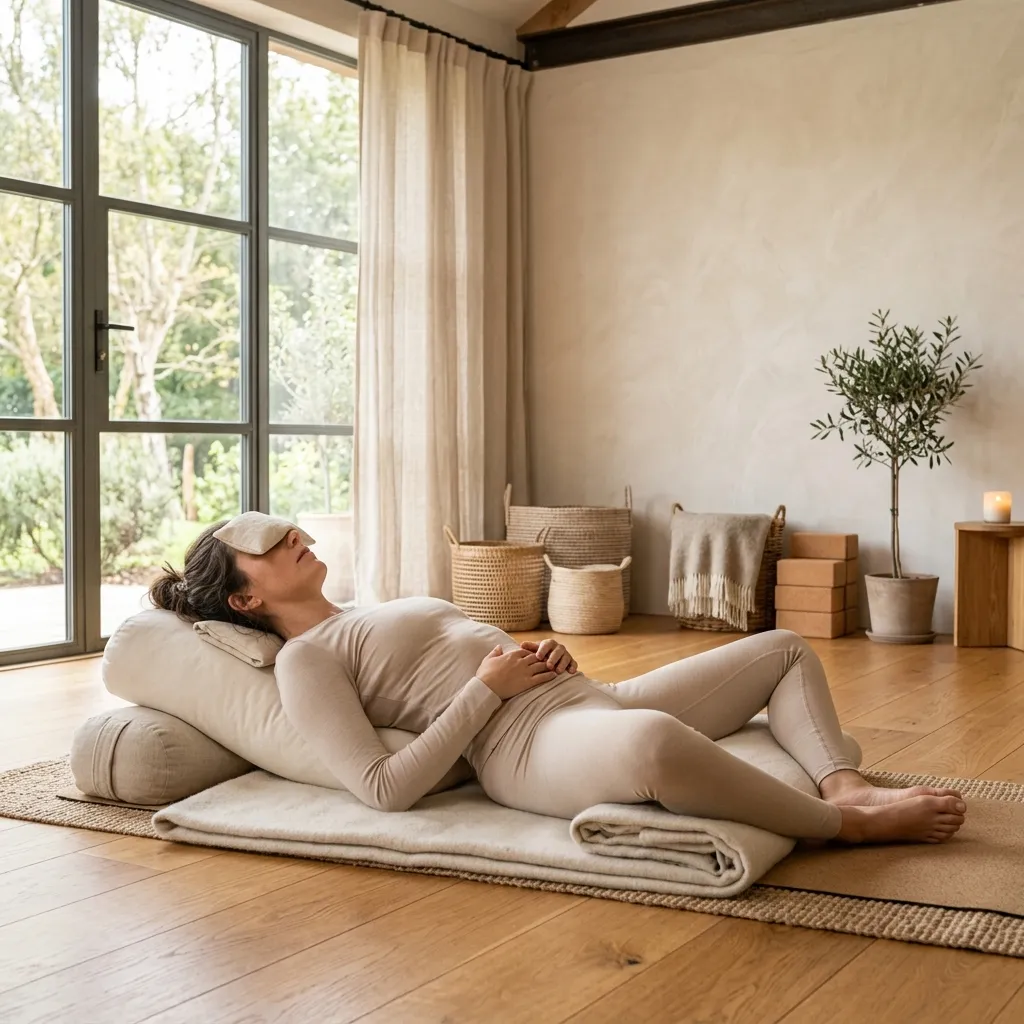
Everything here can be done on a bed, which removes the main excuse for skipping it. Keep the lights low and move slowly - the aim is to do less rather than more.
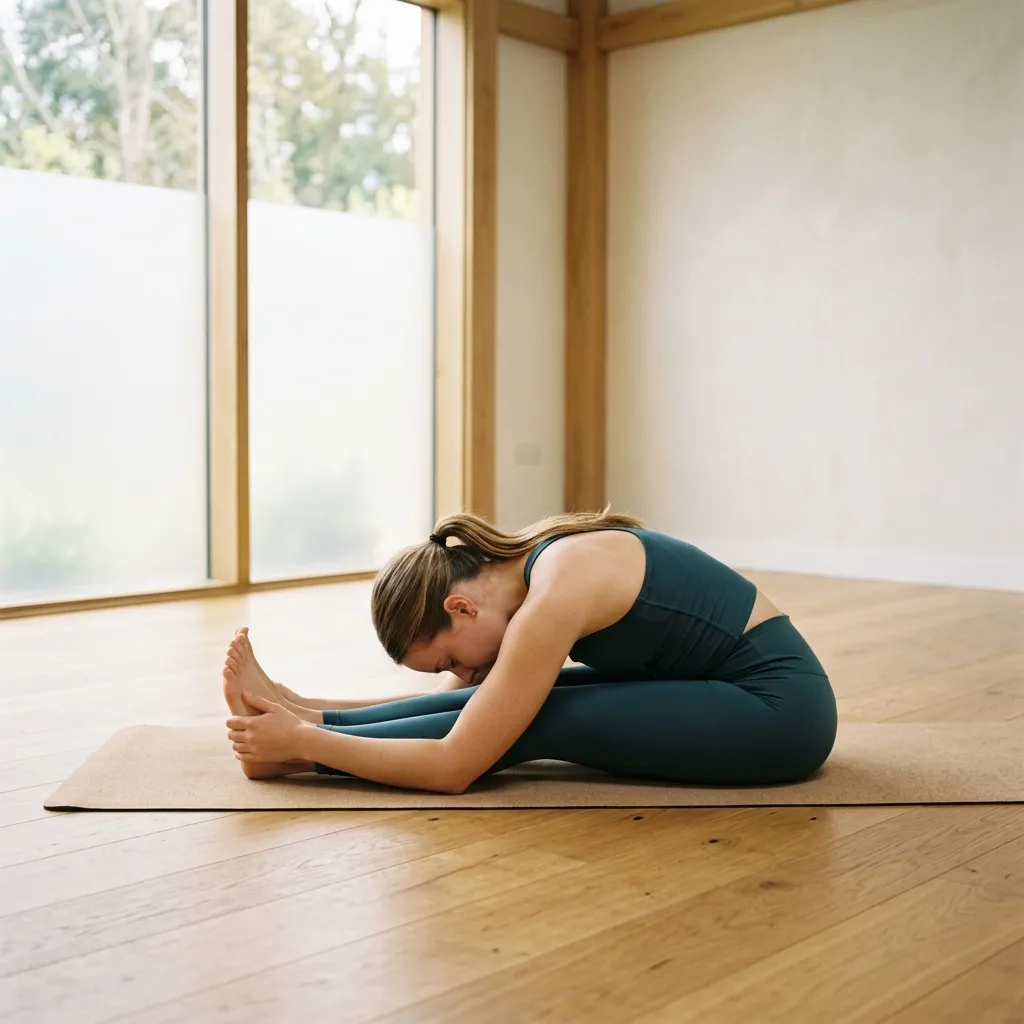
- Seated forward fold — a slow, quiet fold that naturally turns your attention inward.
- Butterfly fold — releases the hips, where a surprising amount of the day collects.
- Reclined twist — eases the back and shoulders while you are already lying down.
- Legs up the wall — the classic. Three minutes here asks nothing of you at all.
- Lying still — and if you drift off, that is rather the point.
And the Ones to Save for Morning
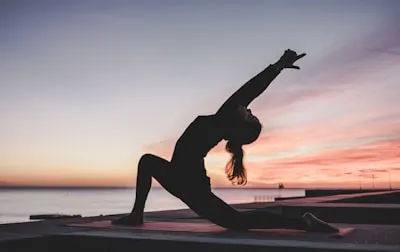
This is where a lot of well-intentioned evening practice goes wrong. Strong backbends, fast flows, and anything that gets you warm and breathing hard are genuinely good for you - just not in the hour before bed. They are designed to wake the body up, and they are very effective at it. Save Vinyasa for the morning and let the evening be slow.
Make It Almost Too Easy
The routine that helps is the one you actually do on a night when you are exhausted and slightly fed up. So make it small. Two poses and a few slow breaths, done most nights, will serve you far better than a twenty-minute sequence you manage twice. Support everything generously with cushions - if you are working to hold a shape, you are not relaxing in it. And practise on the easy nights too, so it is familiar on the hard ones.
Helpful further reading
- How to get to sleep — NHS
- Sleep and Health — CDC
- Relaxation techniques: Breath control — Harvard Health Publishing
About the author
The YogShri editorial team writes warm, plain-spoken, evidence-aware yoga and wellness guides. We teach mindful movement, breathwork and relaxation for everyday well-being. We are not medical professionals, and our articles are general education, not medical advice.
A Calmer End to the Day
Join YogShri for live evening classes designed to help you wind down, with instructors guiding the pace.
- Live evening sessions
- Slow, fully supported poses
- All experience levels welcome
No commitment. Cancel anytime.
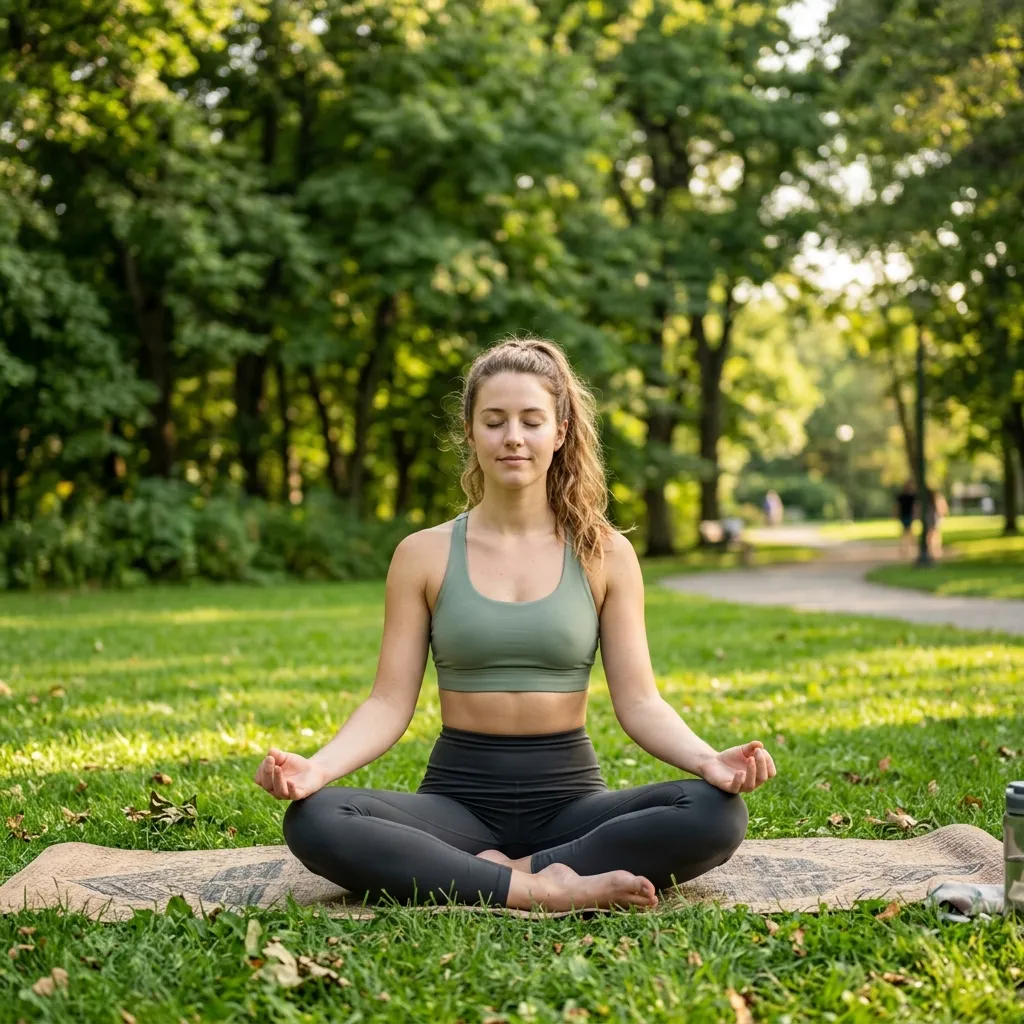
Explore Our Yoga Programs
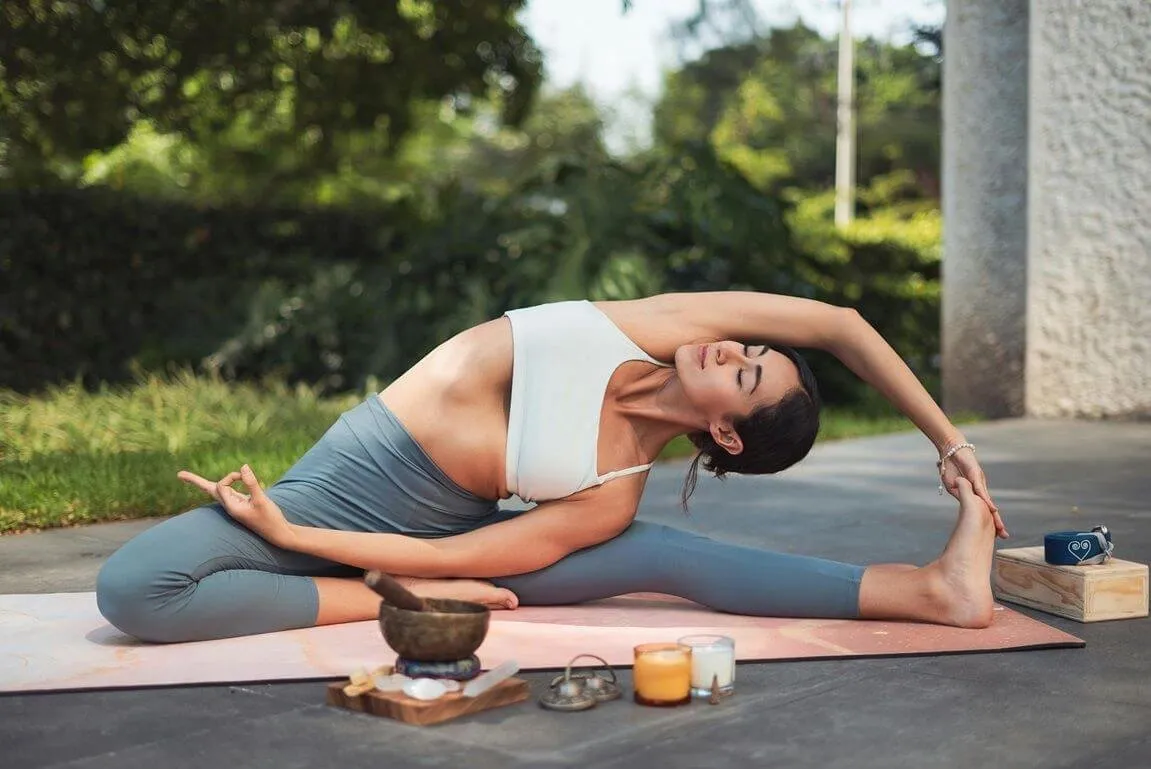
Yoga for the Lower Back
Gentle, beginner-friendly yoga for your lower back. Instructor-guided poses and mindful movement to support mobility and everyday comfort.
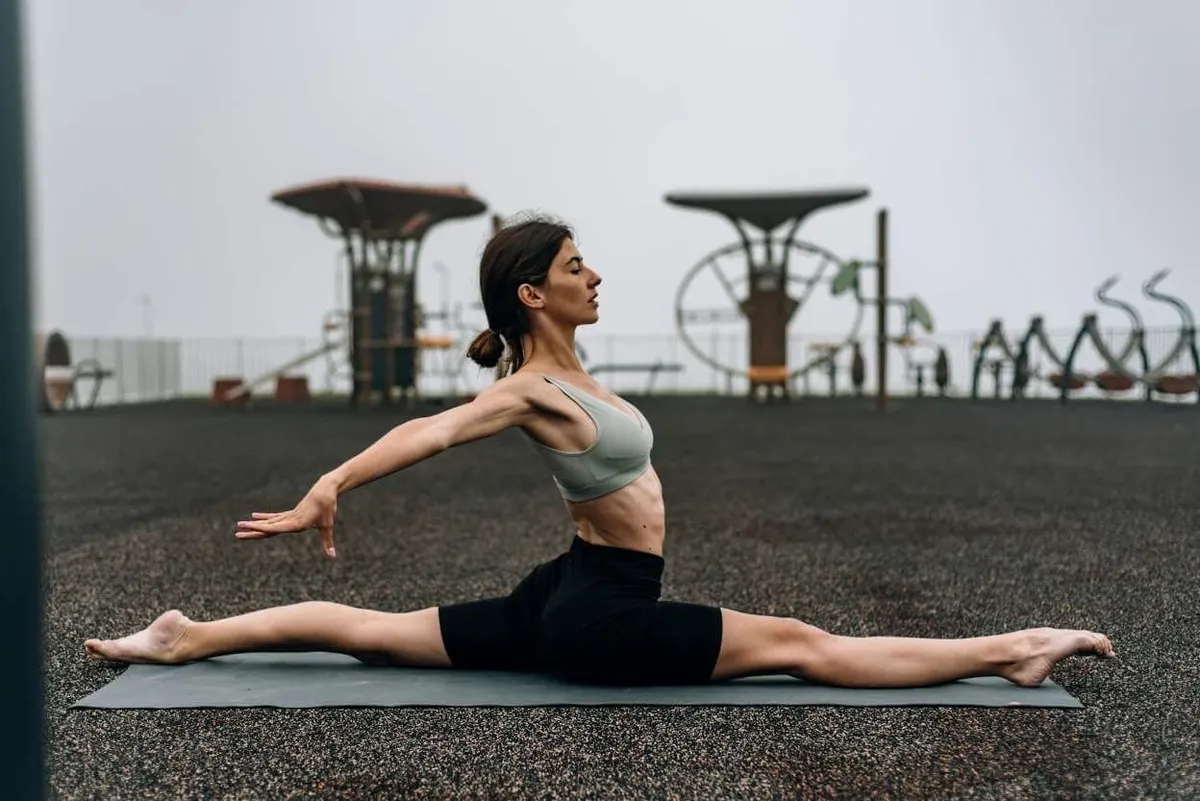
Yoga for Legs
Build stronger, more flexible legs with live, expert-guided yoga. Simple poses for hamstrings, quads, and calves, plus safe practice tips. All levels welcome.
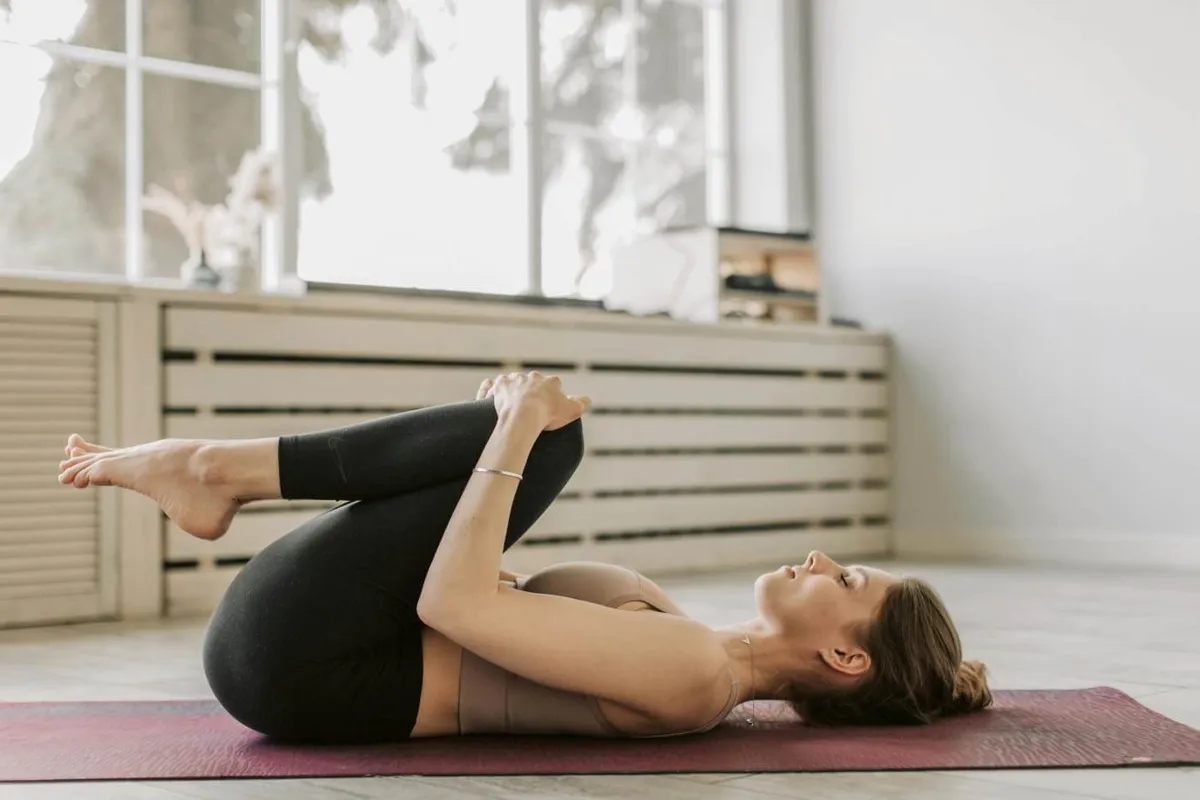
Yoga for Core Strength
Build real core strength with yoga. Five poses covering the front, sides, deep abdominals, and back body, guided live by certified instructors. All levels.