
Hatha vs Vinyasa: What Is the Difference?
Pace, Effort and What Each Builds
The real difference is what the breath is doing. Here is how each one feels and which to pick.

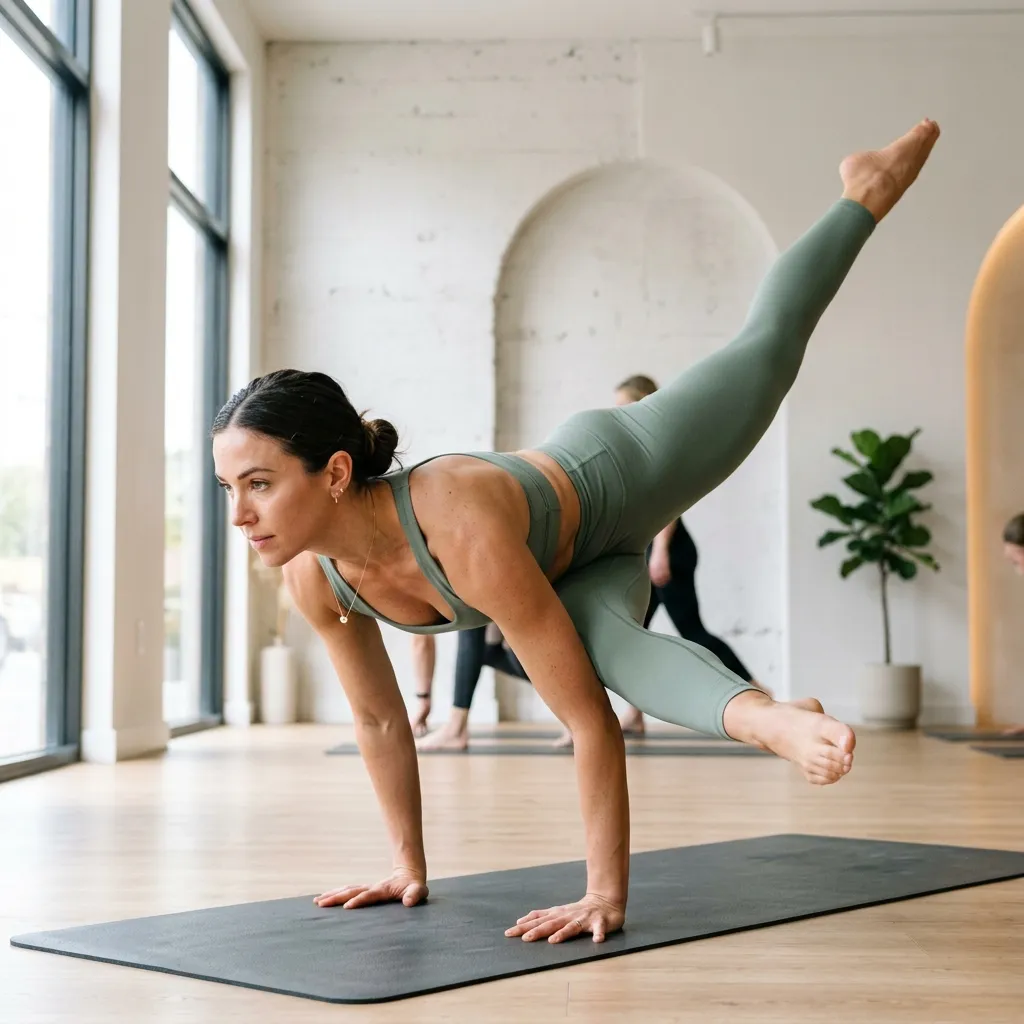
Two class names, endless confusion. The distinction sounds technical until you have done one of each, at which point it becomes obvious within about five minutes.
How Each One Actually Feels
A Hatha class has punctuation. You come into a pose, stay there for several breaths, come out, and there is a pause before the next thing - room to hear an instruction, adjust, ask something. A Vinyasa class runs as one continuous sentence. Each movement is timed to an inhale or an exhale, and you are usually warm within a few minutes and breathing noticeably harder by the middle. Both are demanding, just in different currencies: Hatha spends it on holding, Vinyasa on moving.
A Gentle Reminder
This is general wellness guidance rather than medical advice. If you are pregnant, managing a health condition, or new to exercise, please check with your healthcare provider before starting either style. A yoga practice works best alongside their guidance.
The Differences That Actually Matter
Ignore the marketing and it comes down to five practical things.
- Pace - Hatha holds and pauses; Vinyasa flows continuously with no real stopping points.
- Breathing - in Hatha the breath steadies you inside a pose; in Vinyasa it sets the tempo of the whole class.
- What it builds - Hatha leans toward strength through long holds and steady flexibility; Vinyasa adds stamina and a cardio element.
- How much instruction you get - Hatha has room for detail; Vinyasa gives you cues on the move.
- How you feel afterwards - Hatha usually leaves you settled; Vinyasa more often leaves you energised.
Which Should You Choose?
Pick Hatha if you are new and want to understand the poses properly, if fast classes go by before you have found the shape, or if you want something that settles you at the end of a long day. Pick Vinyasa if you would rather keep moving, if you want a cardio element in the same session as your stretching, or if you already know the foundational shapes and want to link them together. If you are genuinely torn, start with Hatha for a month - knowing the shapes makes a flowing class far easier to follow.
Or Do Both, Which Is What Most People End Up Doing
The two complement each other neatly. A common week is a couple of flowing sessions for strength and stamina, plus one slower Hatha class where you work on the details the flow moves past too quickly. That combination gives you the cardio and the craft, and the Hatha day doubles as the gentler day your body wants between stronger sessions. Results vary, and there is no need to commit to one camp. If you are still deciding whether to begin at all, what to expect in your first yoga class is a good place to start.
Helpful further reading
- A guide to yoga — NHS
- Yoga: What you need to know — U.S. National Center for Complementary and Integrative Health
- Physical activity basics — CDC
About the author
The YogShri editorial team writes warm, plain-spoken, evidence-aware yoga and wellness guides. We teach mindful movement, breathwork and relaxation for everyday well-being. We are not medical professionals, and our articles are general education, not medical advice.
Try Both and See
Join YogShri for live Hatha and Vinyasa classes with instructors guiding your alignment throughout.
- Hatha and Vinyasa on the same timetable
- Live guidance on your alignment
- Options for every body and level
No commitment. Cancel anytime.
Explore Our Yoga Programs
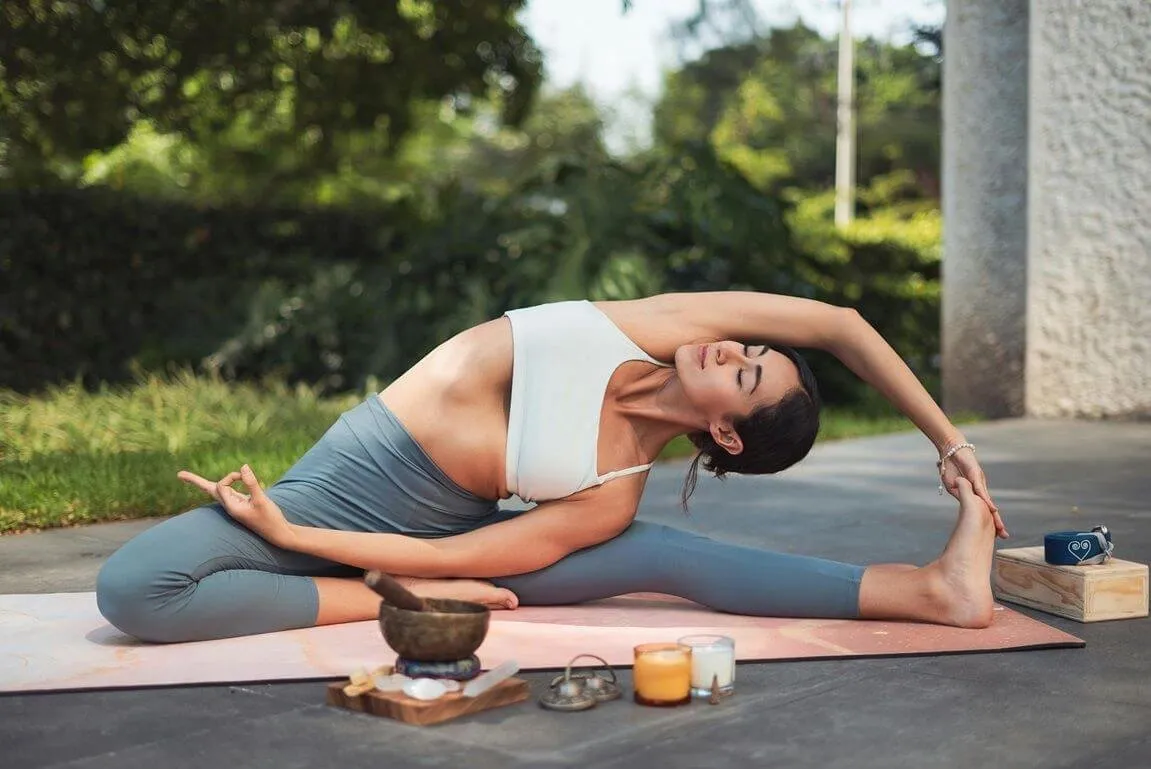
Yoga for the Lower Back
Gentle, beginner-friendly yoga for your lower back. Instructor-guided poses and mindful movement to support mobility and everyday comfort.
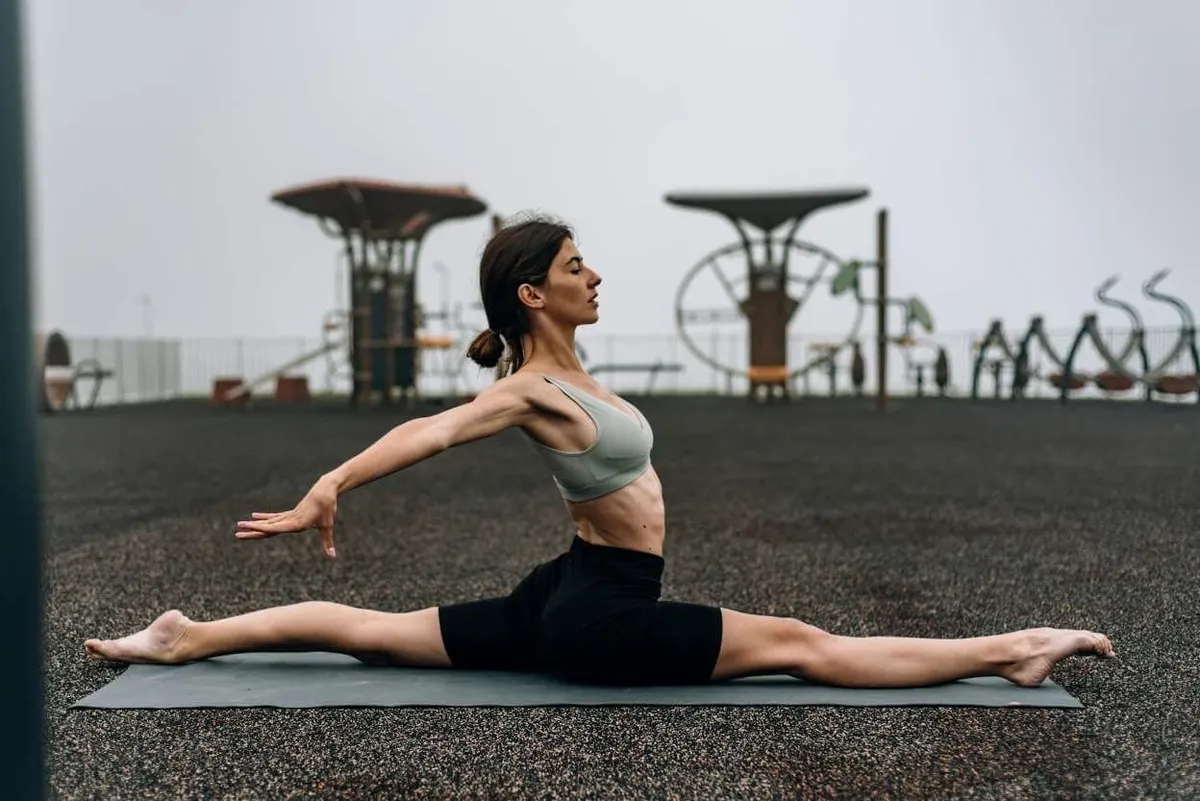
Yoga for Legs
Build stronger, more flexible legs with live, expert-guided yoga. Simple poses for hamstrings, quads, and calves, plus safe practice tips. All levels welcome.
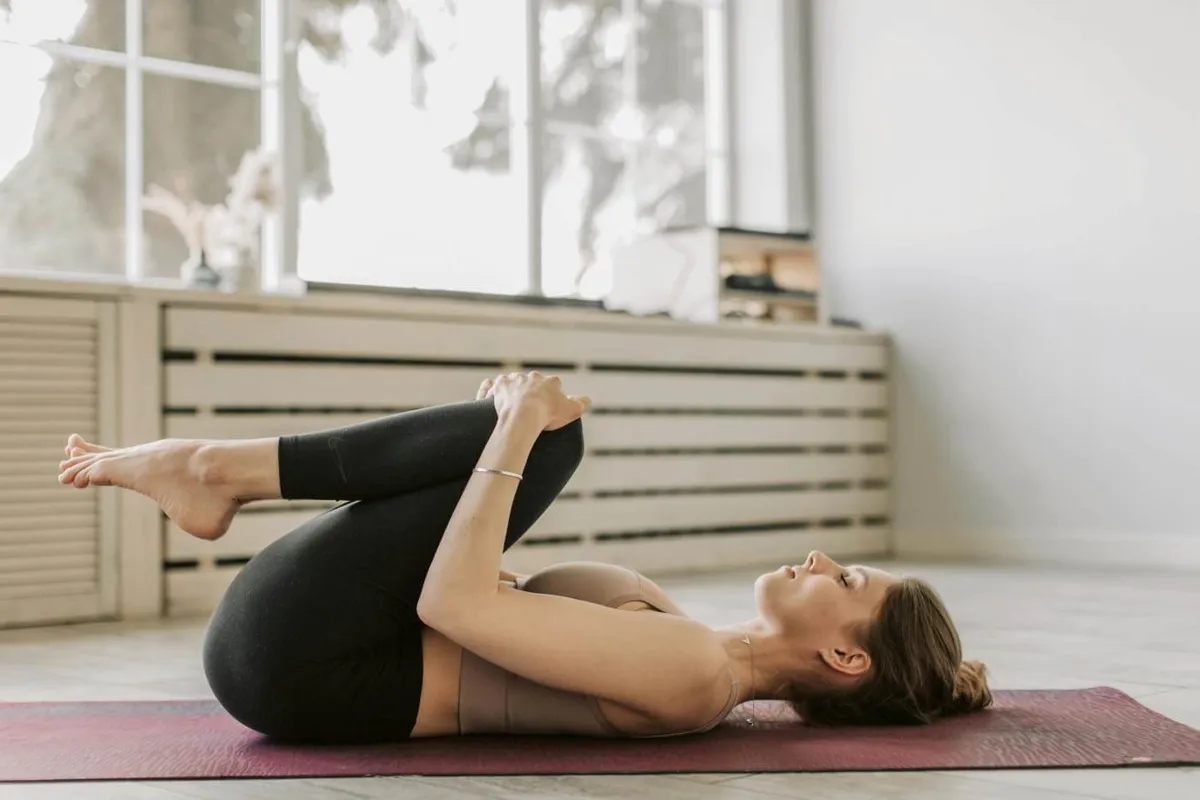
Yoga for Core Strength
Build real core strength with yoga. Five poses covering the front, sides, deep abdominals, and back body, guided live by certified instructors. All levels.