Breathing Exercises for Relaxation
Five simple breathing practices, guided live, to help you feel calmer and more settled in minutes.
Do Breathing Exercises Really Help You Relax?
Yes. At YogShri, live expert-led sessions teach slow, even breathing with a longer exhale, which may help you feel calmer and more settled within minutes. Results vary.
- Settles the Body
- A longer exhale sends a calming signal through the body
- Steadies the Mind
- Counting the breath gives a racing mind one simple anchor
- Works Anywhere
- No mat or equipment needed, seated or lying down
- Takes Minutes
- Two to five minutes is enough to feel a difference
Why Students Choose YogShri
Breathwork is easy to do slightly wrong on your own. Our live classes let a certified instructor hear your pace and guide you as you practise.
Small groups of 10 to 15 for real focus
You are never just a tile on a screen. Your instructor can see when your breath is straining and help you soften it.
100+ live classes, morning to night
Join a session that fits your day - early morning, lunch break, or evening. Every class is live and interactive, never pre-recorded.
Real-time pacing and technique feedback
Get clear guidance on ratio, pace, and hand position, and immediate help if a practice ever feels uncomfortable.
A program shaped around you
We start with a one-on-one chat about how you sleep, unwind, and handle busy days, then build a practice that suits your routine.
Who Can Benefit from Breathing Exercises?
Breathwork asks nothing of your flexibility or fitness. If you can sit or lie down comfortably, you can start today.
Anyone Feeling Wound Up
When the day has been a lot, a few slow breaths are the quickest reset available - and you can do them anywhere.
People Who Struggle to Switch Off
If your mind races at bedtime, a slow evening practice gives your attention something steady to rest on.
Busy Professionals
Two quiet minutes between meetings is realistic on almost any day, and it needs no mat, space, or changing clothes.
Complete Beginners to Yoga
Breathwork is the gentlest possible starting point. No poses, no flexibility, nothing to get wrong.
Anyone With Limited Mobility
Every practice here works seated in a chair or lying down, so physical limitations are no barrier.
Students & Anyone Facing Pressure
Before an exam, presentation, or difficult conversation, a slow breath is a discreet way to steady yourself.
Five Breathing Exercises to Try
Work through these in order - the first builds the foundation the others rest on. Keep every breath smooth and quiet, never forced, and never hold the breath. If you feel lightheaded at any point, return to normal breathing until it passes.
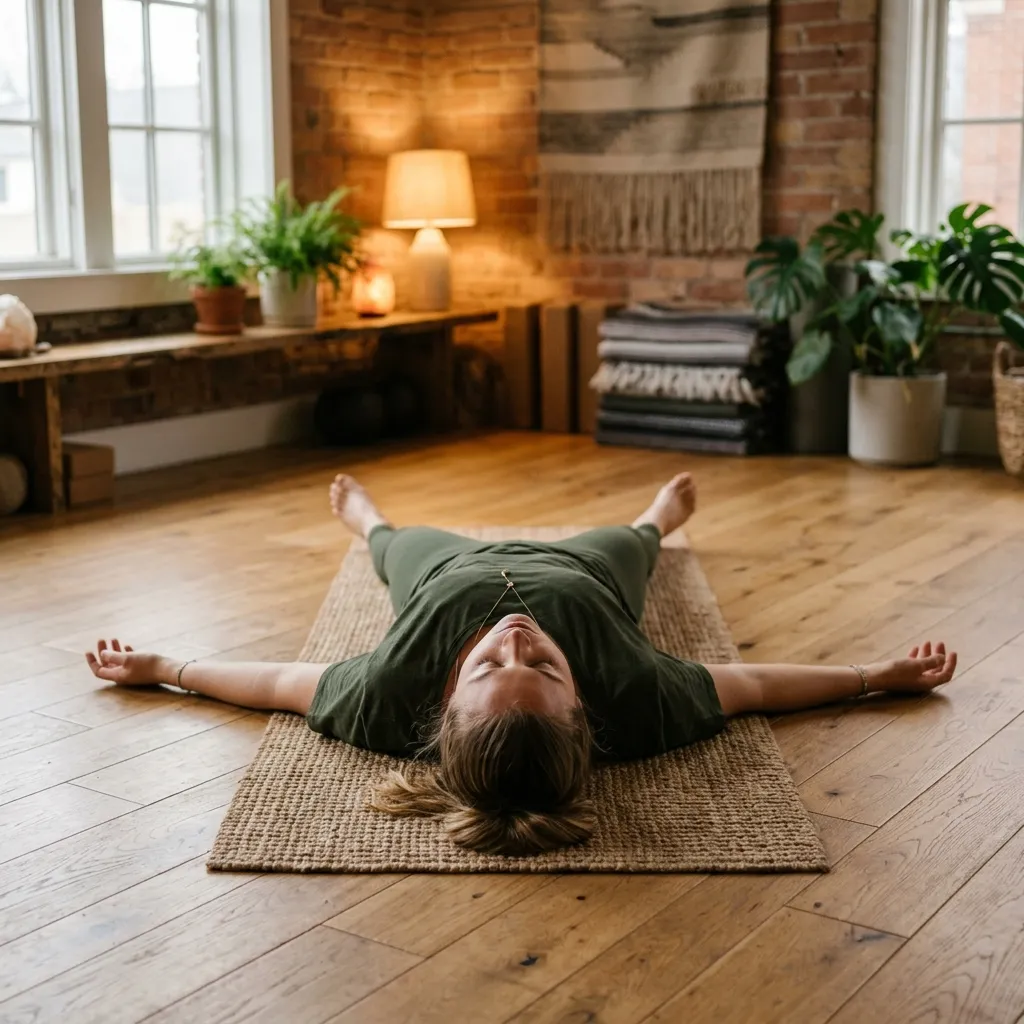
Belly Breathing
The foundation of every relaxing breath practice, learned most easily lying down.
- Lie on your back with the knees bent or a cushion under them
- Rest one hand on your belly and one on your chest
- Breathe in slowly through the nose and feel the belly hand rise while the chest hand stays fairly still
- Breathe out slowly and feel the belly hand fall
- Keep it quiet and unhurried. This can also be done seated in a chair
Why it helps: Teaches you to breathe low into the belly rather than high in the chest, which is the single most useful habit for feeling settled.
Start Your Free Trial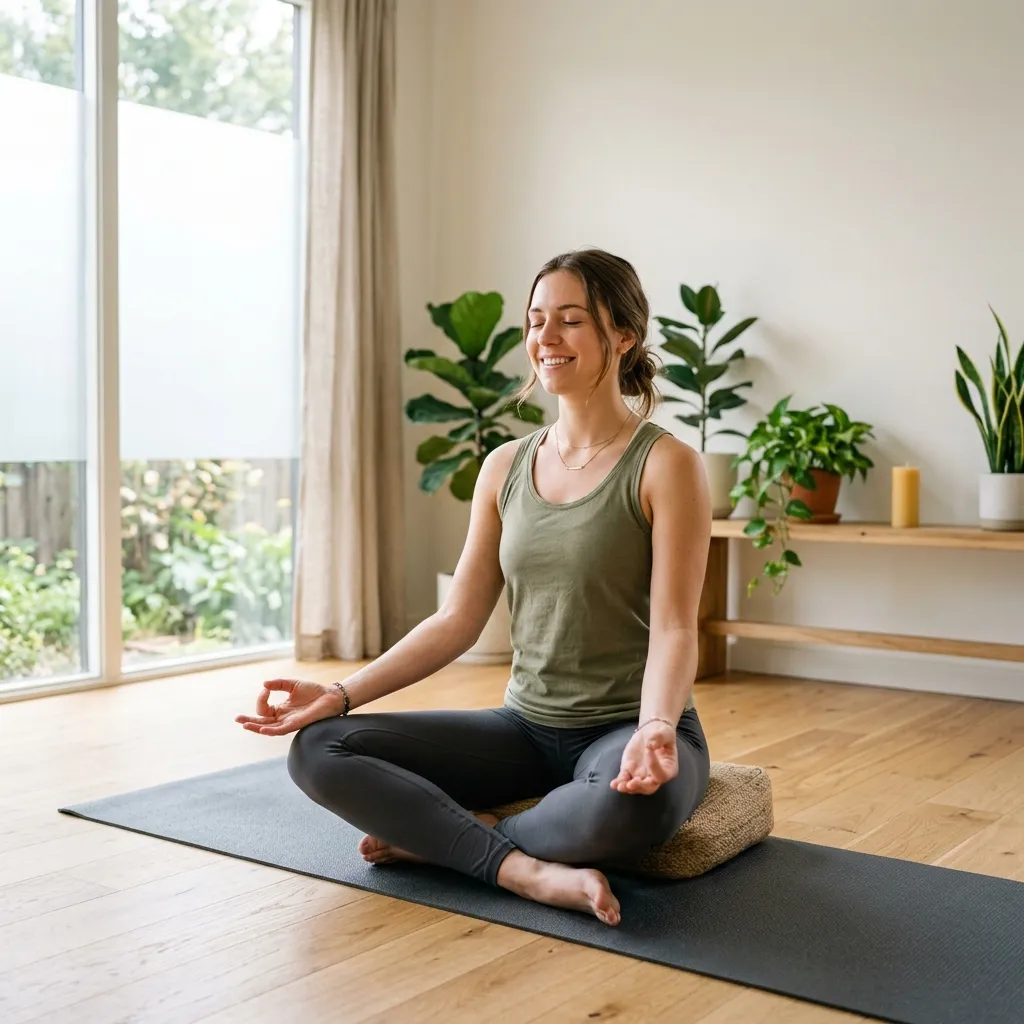
Extended Exhale
Simple counted breathing where the exhale is a little longer than the inhale.
- Sit comfortably, or stay lying down
- Breathe in through the nose for a count of four
- Breathe out slowly through the nose for a count of six
- Keep both the in-breath and out-breath smooth, with no pause or holding between them
- If four and six feel like a strain, try three and four instead
Why it helps: Lengthening the exhale is the most direct way to help the body settle, and it is why this one works so quickly.
Start Your Free Trial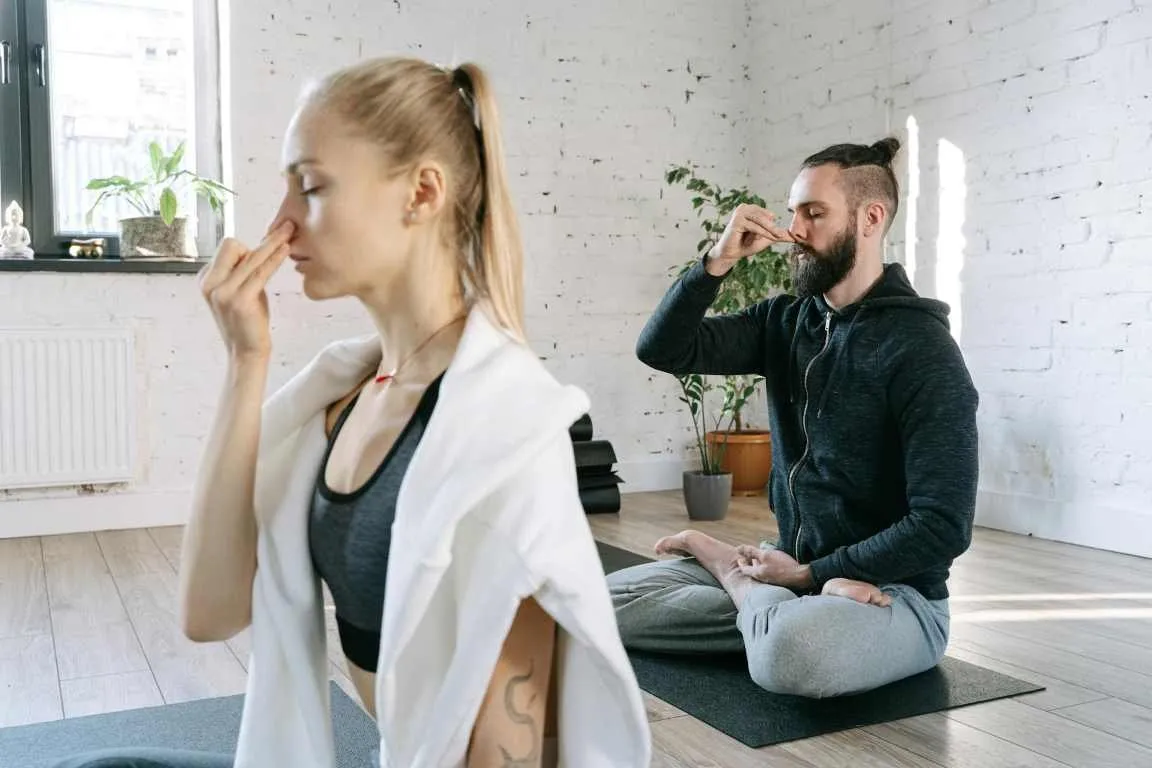
Alternate Nostril Breathing
A seated technique alternating the breath between the left and right nostril.
- Sit tall and rest your left hand on your knee
- Use your right thumb to gently close the right nostril and breathe in through the left
- Release the thumb, close the left nostril with the ring finger, and breathe out through the right
- Breathe in through the right, then swap and breathe out through the left
- Continue slowly. Keep the touch light and the breath easy, with no holding
Why it helps: The gentle counting and hand position occupy the mind as well as the breath, which many people find especially settling.
Start Your Free Trial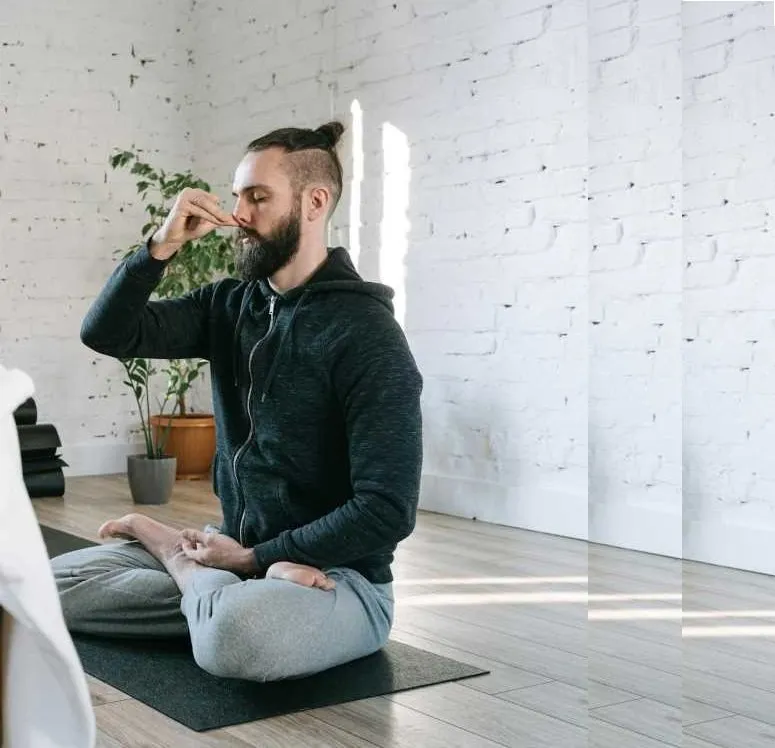
Left Nostril Breathing
Breathing only through the left nostril, traditionally used to cool and quiet.
- Sit comfortably with the spine tall
- Use your right thumb to gently close the right nostril
- Breathe in and out slowly through the left nostril only
- Keep the breath quiet, smooth, and unforced throughout
- Release the hand and return to normal breathing when you finish
Why it helps: A very simple option for evenings or warm days, and easier than alternate nostril breathing because there is no swapping to track.
Start Your Free Trial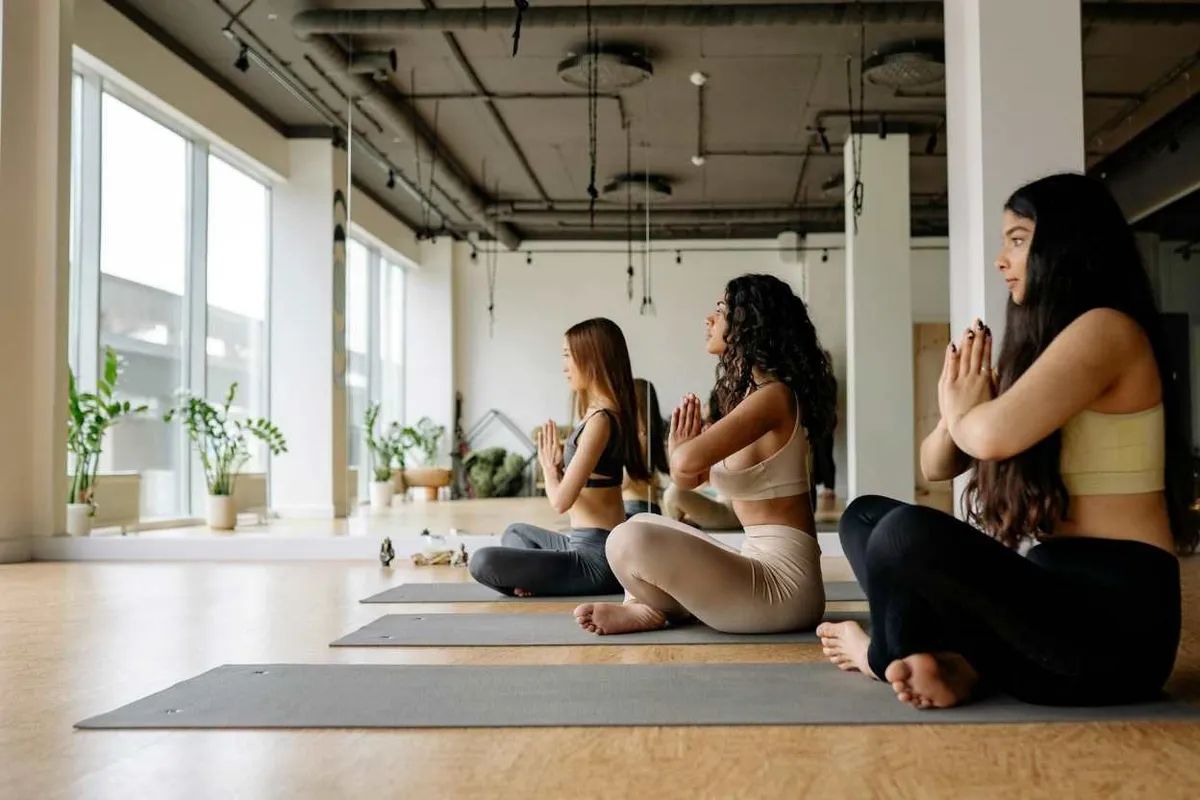
Humming Bee Breath
A soft humming sound on each exhale, which many people find remarkably soothing.
- Sit comfortably and let the eyes close
- Rest the fingertips lightly on the face or simply let the hands rest in your lap
- Breathe in slowly through the nose
- Breathe out making a soft, low humming sound, keeping the jaw and throat relaxed
- Repeat for six to eight rounds, then sit quietly for a moment and notice how you feel
Why it helps: The gentle vibration gives you something soothing to feel as well as hear, making it a lovely way to finish a practice.
Start Your Free TrialThe Benefits ofBreathwork
A short, regular breathing practice offers several connected benefits that support a calmer, steadier day.
- Supports RelaxationSlow, even breathing with a longer exhale helps the body settle.
- Supports Stress ReliefA few quiet minutes gives a busy mind somewhere steady to rest.
- Supports FocusCounting the breath is simple attention training you can do anywhere.
- Supports Restful SleepAn evening practice helps many people wind down more easily at bedtime.
- Supports Steady BreathPractice makes a quick, shallow breath easier to slow down.
- Builds Body AwarenessYou start to notice tension earlier, while it is still easy to soften.
- Needs No EquipmentNo mat, no space, no changing clothes. Just a few quiet minutes.
- Supports Rest & RenewalA short reset you can return to as often as the day needs it.
Common Mistakes to Avoid
Breathwork is gentle by nature, and almost every problem comes from trying too hard. These are the habits to watch for.
Breathing as deeply as possible
Aim for slow and smooth rather than big. Over-breathing is the usual cause of lightheadedness and it works against relaxation.
Holding the breath between inhale and exhale
Skip retention entirely as a beginner. Keep the breath continuous - it is an advanced practice that needs experienced supervision.
Breathing high into the chest and shoulders
Let the belly move first. A hand on the belly is the quickest way to check, and belly breathing is what makes the practice calming.
Pushing through lightheadedness
Stop and return to normal breathing until it settles. Lightheadedness is a signal to ease off, never something to breathe through.
Choosing a ratio that feels like a struggle
Shorten the counts until it feels easy. Three in and four out done comfortably beats four and six done with strain.
Only practising when already overwhelmed
Practise on calm days too. The technique is far easier to lean on in a difficult moment if it is already familiar.
Practising Breathwork Safely
This is general wellness guidance rather than medical advice. Gentle breathing suits most people and works best alongside your healthcare provider guidance - please check with them first if you are pregnant, live with a heart, blood pressure, or respiratory condition such as asthma, experience panic attacks, or have had recent surgery.
Do
- Keep every breath smooth, quiet, and unforced
- Let the belly move rather than the chest and shoulders
- Sit or lie down, so you are safe if you feel lightheaded
- Make the exhale slightly longer than the inhale
- Start with two or three minutes and build gradually
- Stop and breathe normally the moment anything feels off
Avoid
- Holding or retaining the breath as a beginner
- Breathing fast, forcefully, or as deeply as you can
- Practising while driving or standing on a hard floor
- Continuing through dizziness, tingling, or breathlessness
- Straining to reach a particular count or ratio
- Using breathwork as a replacement for professional care
Key takeaways
- Slow, even breathing may help you feel calmer and more settled, often within a few minutes. Experiences vary from person to person.
- Making the exhale slightly longer than the inhale is the most useful single adjustment you can make.
- Belly breathing is the foundation. Breathing high into the chest keeps the body alert rather than settling it.
- Keep it smooth and quiet, never big or forced, and skip breath holding entirely as a beginner.
- Two to five minutes most days beats one long session, and breathwork works best alongside your healthcare provider guidance.
Explore Yoga for Related Areas
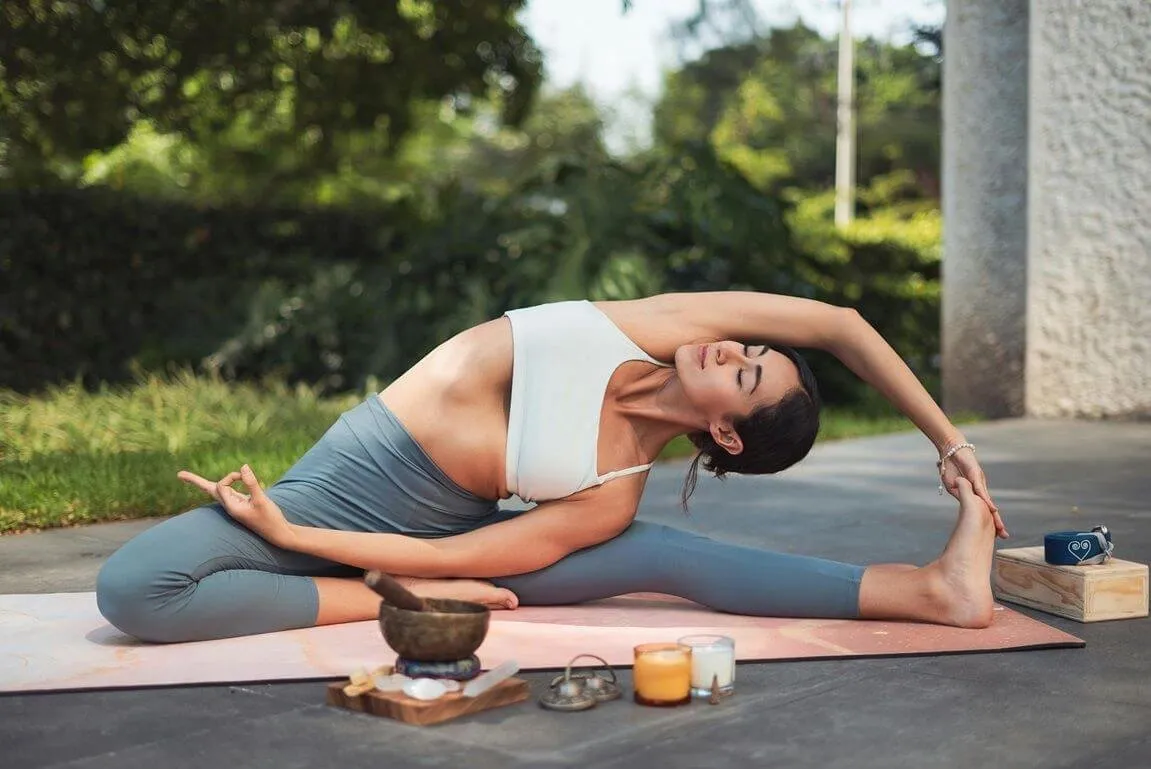
Yoga for the Lower Back
Gentle, beginner-friendly yoga for your lower back. Instructor-guided poses and mindful movement to support mobility and everyday comfort.
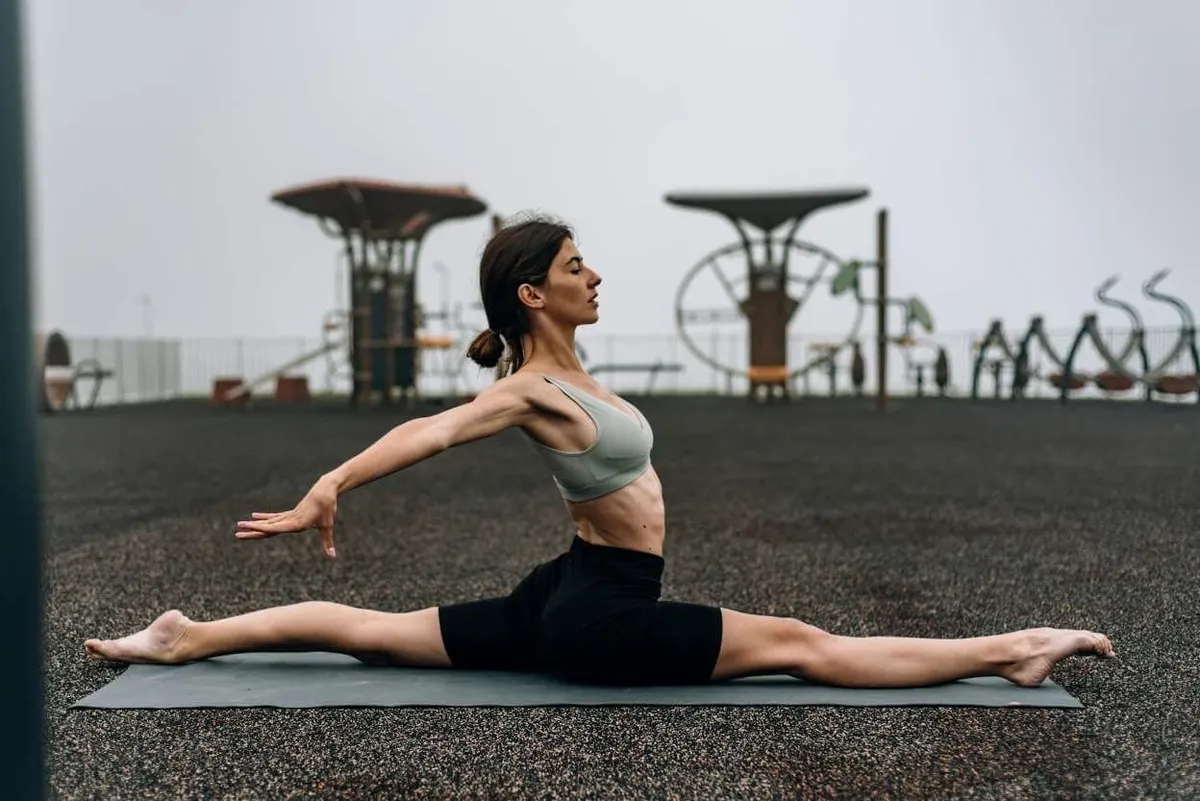
Yoga for Legs
Build stronger, more flexible legs with live, expert-guided yoga. Simple poses for hamstrings, quads, and calves, plus safe practice tips. All levels welcome.
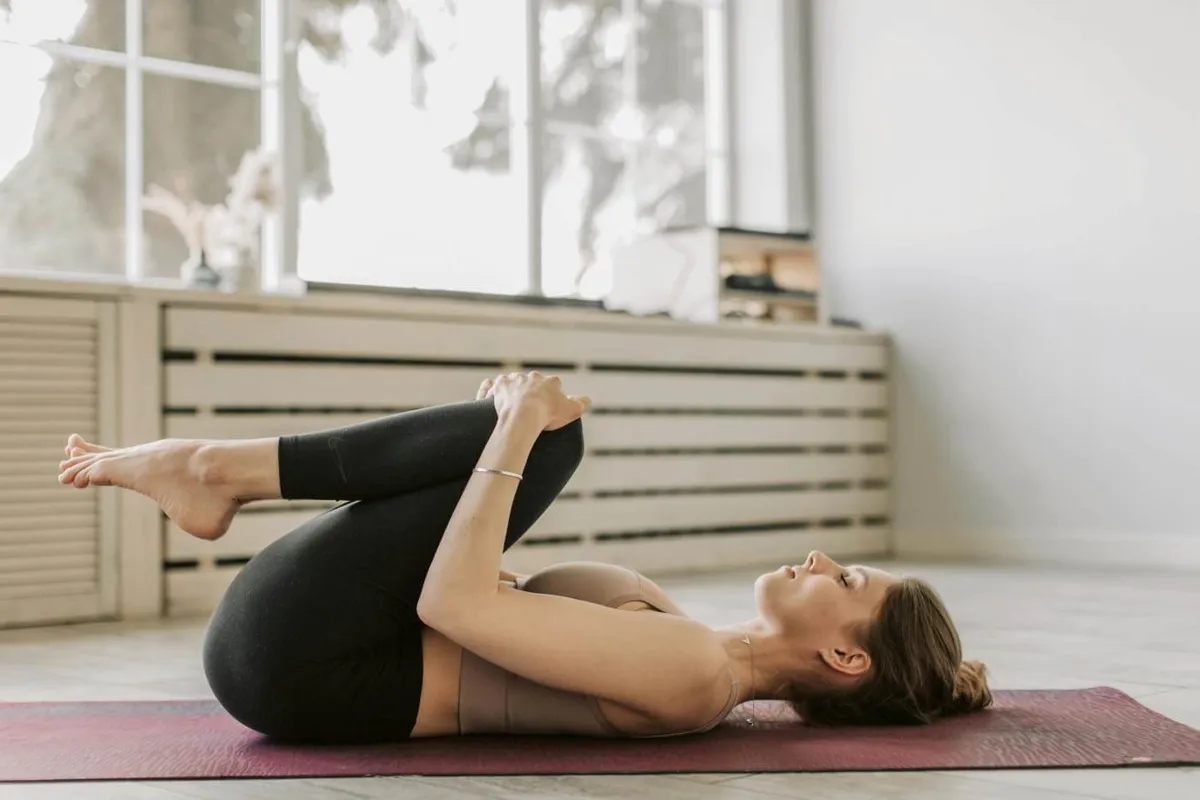
Yoga for Core Strength
Build real core strength with yoga. Five poses covering the front, sides, deep abdominals, and back body, guided live by certified instructors. All levels.
Learn More from Our Journal
Simple Breathing Exercises to Feel Calmer
Four straightforward breathing exercises you can do anywhere, when to use each one, and the one habit that makes the biggest difference.
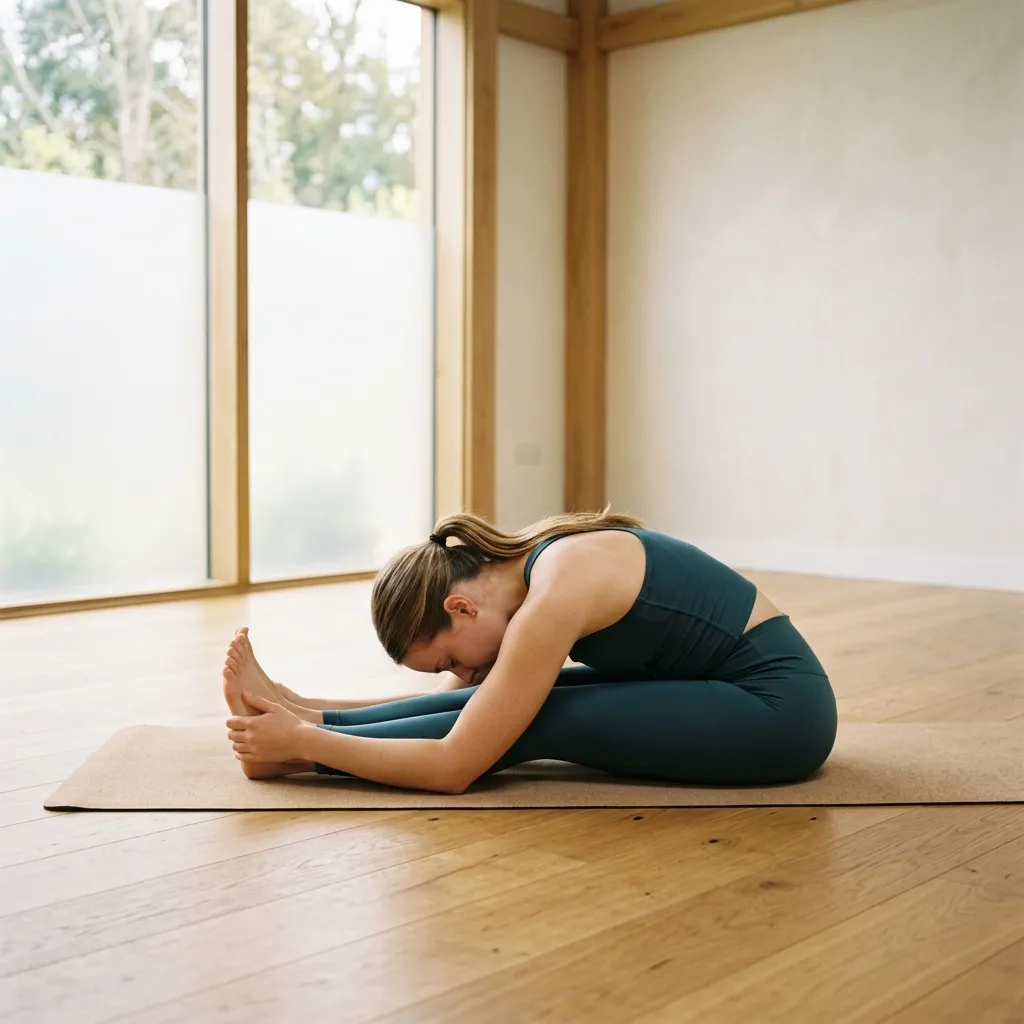
How Long Does It Take to Get Flexible?
A realistic look at how flexibility changes with regular yoga, why consistency matters more than intensity, and what to expect week by week.
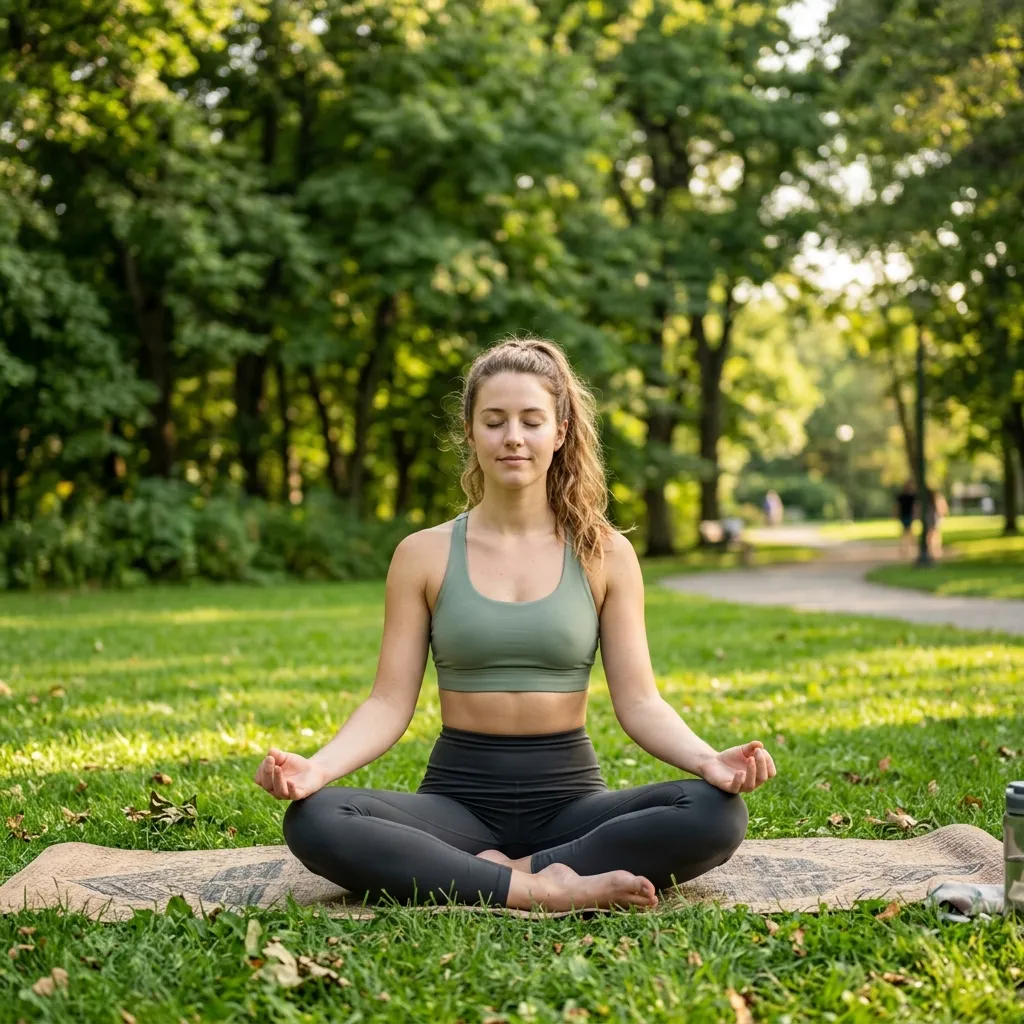
How Do Live Online Meditation Classes Work?
What happens in a live online meditation session, whether your camera stays on, what to sit on, and how a live class differs from using an app.
Questions About Breathing Exercises
How do breathing exercises help you relax?
Slowing the breath, and especially lengthening the exhale, sends a settling signal through the body. Many people find a few slow, even breaths is the quickest way to feel calmer in the moment. Experiences vary, and breathwork works best alongside your healthcare provider guidance.
Which breathing exercise is best for beginners?
Start with belly breathing lying down. It is the easiest to learn, it needs no counting or hand positions, and it builds the foundation every other technique rests on.
How long should I practise for?
Two to five minutes is plenty to begin with, and a short daily practice helps more than a long occasional one. Build up gradually as it starts to feel natural.
When is the best time to practise?
Whenever you can be consistent. Many people like a few minutes first thing to set the tone, or before bed to wind down. Short pauses during a busy day work well too.
I feel lightheaded when I do breathing exercises. What should I do?
Stop and return to your normal breathing until it passes. Lightheadedness usually means the breath has become too deep or too fast. Keep it gentle and quiet, and never force or hold the breath.
Should I hold my breath between the inhale and exhale?
Not as a beginner. Breath retention is an advanced practice that needs experienced supervision. Everything on this page uses a smooth, continuous breath with no holding.
Can I practise breathing exercises lying down?
Yes, and lying down is often the easiest way to feel your belly moving. Sitting upright suits the nostril techniques better, and a chair is perfectly fine.
Is there anyone who should check with a doctor first?
Yes. If you are pregnant, have a heart, blood pressure, or respiratory condition such as asthma, live with panic attacks, or have had recent surgery, please speak with your healthcare provider before starting.
Sources & further reading
- Relaxation techniques: Breath control helps quell errant stress response — Harvard Health Publishing
- Yoga: What You Need To Know — National Center for Complementary and Integrative Health (NCCIH)
- Relaxation and Meditation to Reduce Stress — National Center for Complementary and Integrative Health (NCCIH)
- Breathing exercises for stress — NHS
- Relaxation techniques: Try these steps to lower stress — Mayo Clinic
Ready to Feel Calmer?
Book a friendly, no-pressure consultation with YogShri. We will find out how your days feel and which practices suit you, then help you build a short routine you will actually keep.