
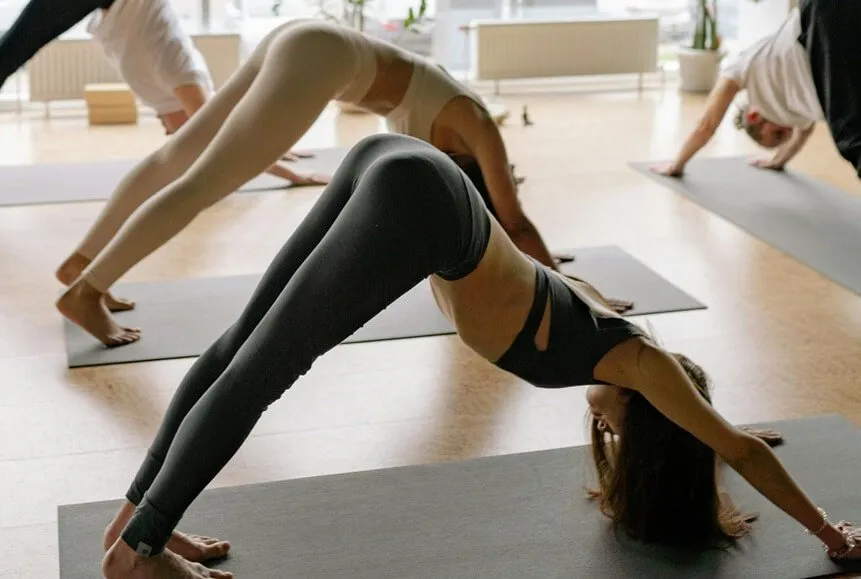
Morning Yoga
Live, expert-guided morning yoga to ease overnight stiffness, wake up the body, and steady your day.
Is Morning Yoga Worth It?
Yes. At YogShri, live expert-guided morning classes may help ease overnight stiffness, wake up your joints, and set a calmer tone for the day. Results vary.
- Eases Morning Stiffness
- Gentle movement helps loosen joints that have been still all night
- Wakes You Up
- Light stretching and fuller breathing help you feel more alert
- Sets the Tone
- A few quiet minutes early on can steady how the rest of the day feels
- Fits Any Schedule
- Ten to twenty minutes is enough to feel the difference
Why Students Choose YogShri
Early mornings are easier with someone expecting you. Our live classes give you a set time and a certified instructor watching your alignment.
Small groups of 10 to 15 for real focus
You are never just a tile on a screen. Smaller classes mean your instructor can see how your body is moving and adjust the pace to suit it.
Early sessions from 6am onward
Choose a start time that fits before work or the school run. Every class is live and interactive, never pre-recorded.
Gentle warm-ups built in
Morning bodies need easing into things. Your instructor starts slow and adds range only once you are genuinely warm.
A routine shaped around you
We start with a one-on-one chat about your mornings and how much time you actually have, then build something realistic.
Who Can Benefit from Morning Yoga?
A short morning practice suits almost anyone, and it is especially useful if your mornings currently start in a rush.
Anyone Who Wakes Up Stiff
Hours of lying still leave most of us less mobile first thing. Gentle early movement helps the body feel ready sooner.
Desk Workers
Opening the chest and hips before you sit down for the day can make those long hours at a screen noticeably more comfortable.
Busy Parents
Ten quiet minutes before the house wakes up is often the only unclaimed time in the day, and it goes a long way.
People Who Struggle to Wind Up
If it takes you an hour and two coffees to feel human, light movement and fuller breathing may help you get there sooner.
Anyone Wanting a Consistent Habit
Mornings are the most protectable part of the day. A practice placed there tends to survive a busy week.
Complete Beginners
No experience and no flexibility needed. A short morning sequence is one of the gentlest ways into yoga.
A Simple Morning Yoga Routine
These five build a complete ten-minute routine in a sensible order - warm the spine first, then stand, then open, then finish steady. Move slowly and keep the breath easy, especially in the first couple of minutes.
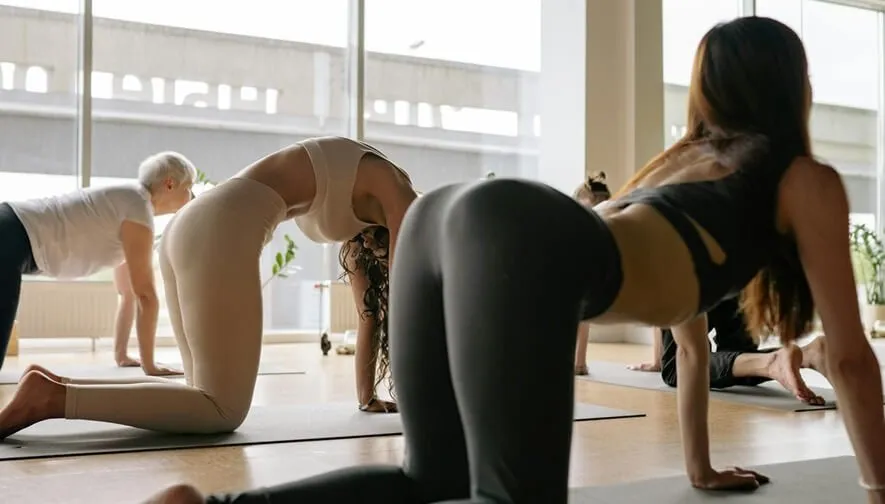
Cat-Cow
The gentlest possible start, and the right first move for a stiff morning spine.
- Start on hands and knees with the wrists under the shoulders
- Inhale and let the belly lower as the chest and tailbone lift
- Exhale and round the spine upward, letting the head release
- Keep the movement small at first and let it grow as you loosen
- Move with the breath rather than rushing through the rounds
Why it helps: May help mobilise a stiff spine gently before anything more demanding, which is exactly what a morning body wants.
Start Your Free Trial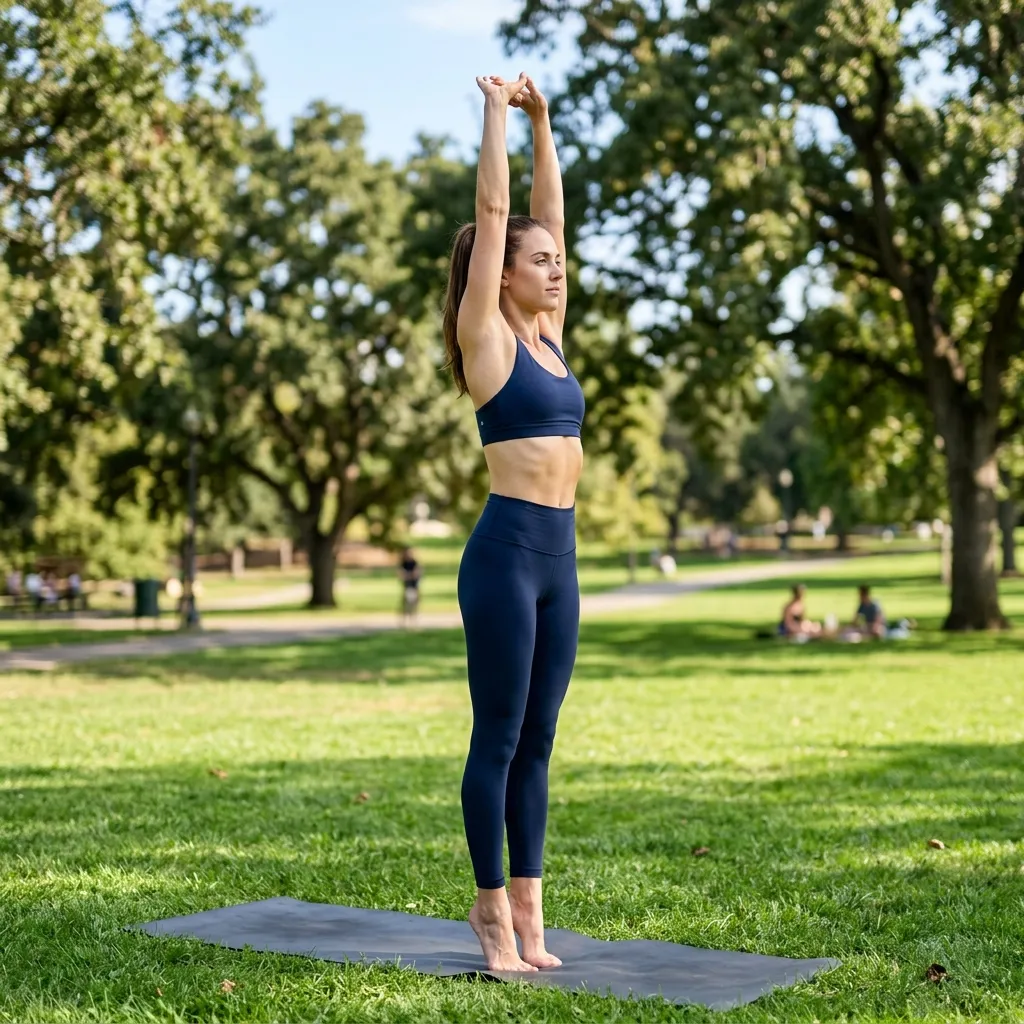
Mountain Pose
Standing tall with a few full breaths - simple, and more useful than it looks.
- Stand with the feet hip-width apart and the weight even across both soles
- Roll the shoulders back and let the arms hang easily
- Reach the arms overhead on an inhale if that feels good, then lower on an exhale
- Take a few slow, full breaths and notice how awake you feel
- Repeat the arm sweep two or three times
Why it helps: May help improve posture awareness and encourage fuller breathing, which many people find genuinely wakes them up.
Start Your Free Trial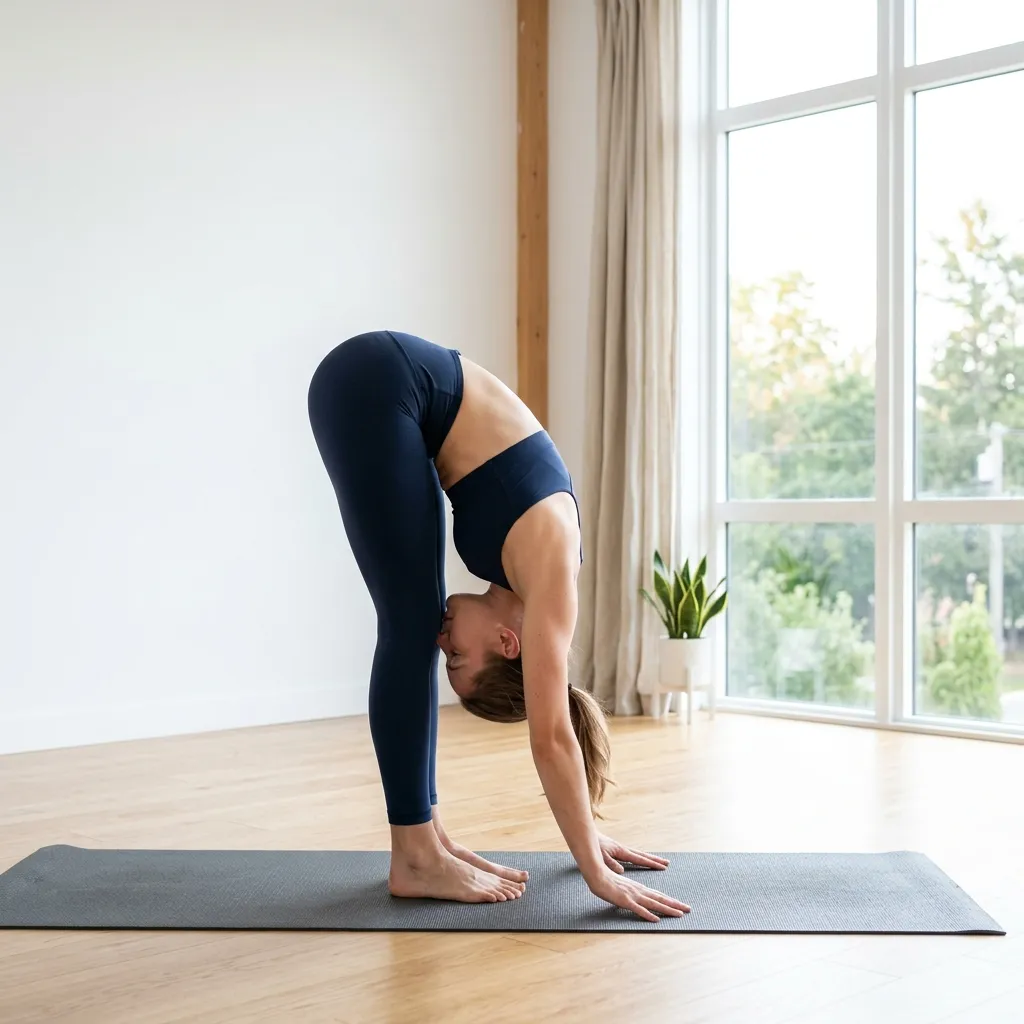
Standing Forward Fold
A slow fold with generously bent knees - the morning version, not the deep one.
- Stand with the feet hip-width apart and exhale as you fold forward from the hips
- Keep a generous bend in the knees, more than you would later in the day
- Let the head and neck hang and rest the hands on the shins or blocks
- Sway gently side to side if that feels good
- Rise slowly on an inhale, keeping the knees soft
Why it helps: May help lengthen the back of the legs and lower back after a night of stillness, and the head-down position feels refreshing.
Start Your Free Trial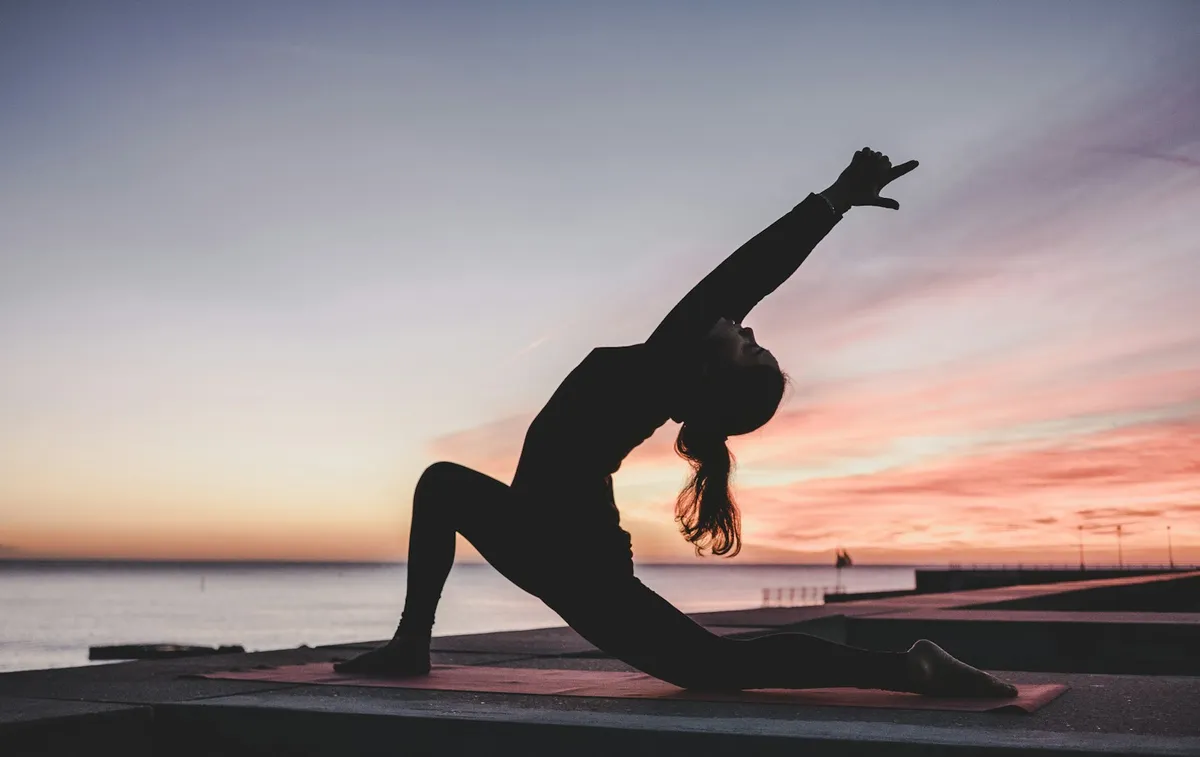
Low Lunge
Opens the front of the hip before you sit down for the rest of the day.
- Step the right foot forward and lower the left knee, with a folded blanket under it
- Slide the back knee further back until you feel a gentle opening at the front of the hip
- Keep the front knee stacked over the ankle
- Rest the hands on the front thigh, or lift the chest and sweep the arms up
- Come out slowly and repeat on the other side
Why it helps: May help lengthen the hip flexors before a day of sitting, which supports easier standing and walking.
Start Your Free Trial
Seated Spinal Twist
A quiet seated rotation to finish, bringing movement to the spine in a direction it rarely gets.
- Sit tall with the legs crossed, on a cushion if your lower back rounds
- Place the right hand lightly behind you and the left hand on the right knee
- Inhale to lengthen the spine, then exhale and turn gently to the right
- Let the head turn last and only as far as is comfortable
- Unwind on an inhale and repeat on the other side, then sit for a few breaths
Why it helps: May help maintain comfortable spinal rotation and offers a calm, settled finish before the day starts properly.
Start Your Free TrialThe Benefits ofMorning Yoga
A short, consistent morning practice offers several connected benefits that support how the rest of your day feels.
- Eases Morning StiffnessGentle early movement helps loosen joints that have been still all night.
- Helps You Feel AwakeLight stretching and fuller breathing help you feel more alert sooner.
- Improves FlexibilityPractising daily, even briefly, supports steady gains in range of motion.
- Builds StrengthStanding poses held for a few breaths ask real work of the legs and core.
- Encourages Fuller BreathingStarting the day with slow, complete breaths sets a calmer baseline.
- Supports PostureOpening the chest and hips early makes long hours at a desk more comfortable.
- Sharpens FocusA few quiet minutes before the day begins can help you feel more collected.
- Supports Stress ReliefCombining movement, breath, and stillness supports relaxation and eases everyday tension.
Common Mistakes to Avoid
Morning practice has its own pitfalls, mostly to do with treating a cold body like a warm one.
Going straight into deep stretches
Spend the first two or three minutes on gentle movement like cat-cow. Cold tissue resists; warm tissue cooperates.
Setting an unrealistic routine
Ten minutes you will actually do beats forty-five you will skip. Start smaller than feels satisfying and build from there.
Locking the knees in forward folds
Keep a generous bend, especially first thing. The fold is for the back of the legs, not for reaching the floor.
Practising straight after a big meal
Twists and folds feel much better on an empty stomach. Water beforehand is usually all you need.
Holding the breath while concentrating
Keep the breath slow and even. If it disappears, you are working harder than the pose needs.
Only practising when you feel motivated
Attach the routine to something you already do, like putting the kettle on, so it happens without a decision.
Practising Morning Yoga Safely
This is general wellness guidance rather than medical advice. Gentle morning yoga suits most people and works best alongside your healthcare provider's guidance - please check with them first if you have a joint or muscle injury, a diagnosed condition, high or low blood pressure, or you are pregnant.
Do
- Spend the first few minutes on gentle warming movement
- Keep the knees generously bent in early forward folds
- Practise before eating, or an hour after a meal
- Have water nearby and drink a little beforehand
- Keep the breath slow and even throughout
- Give both sides equal time and attention
Avoid
- Deep stretches before the body has warmed up
- Any sharp, burning, or pinching sensation
- Locking or hyperextending the knees and elbows
- Rushing through poses to save a few minutes
- Comparing your morning range with your evening range
- Practising into an area that is injured or newly sore
Key takeaways
- A short morning practice may help ease overnight stiffness, wake the body up, and set a calmer tone for the day. Results vary from person to person.
- Ten to twenty minutes most mornings does far more than a long session once or twice a week.
- Warm up gently first. Morning bodies are naturally less mobile, so deep stretches belong later in the routine.
- Keep the knees bent generously in early forward folds and let range build as you loosen.
- Attach the routine to an existing morning habit so it happens without needing a decision.
Explore Other Yoga Styles & Programs
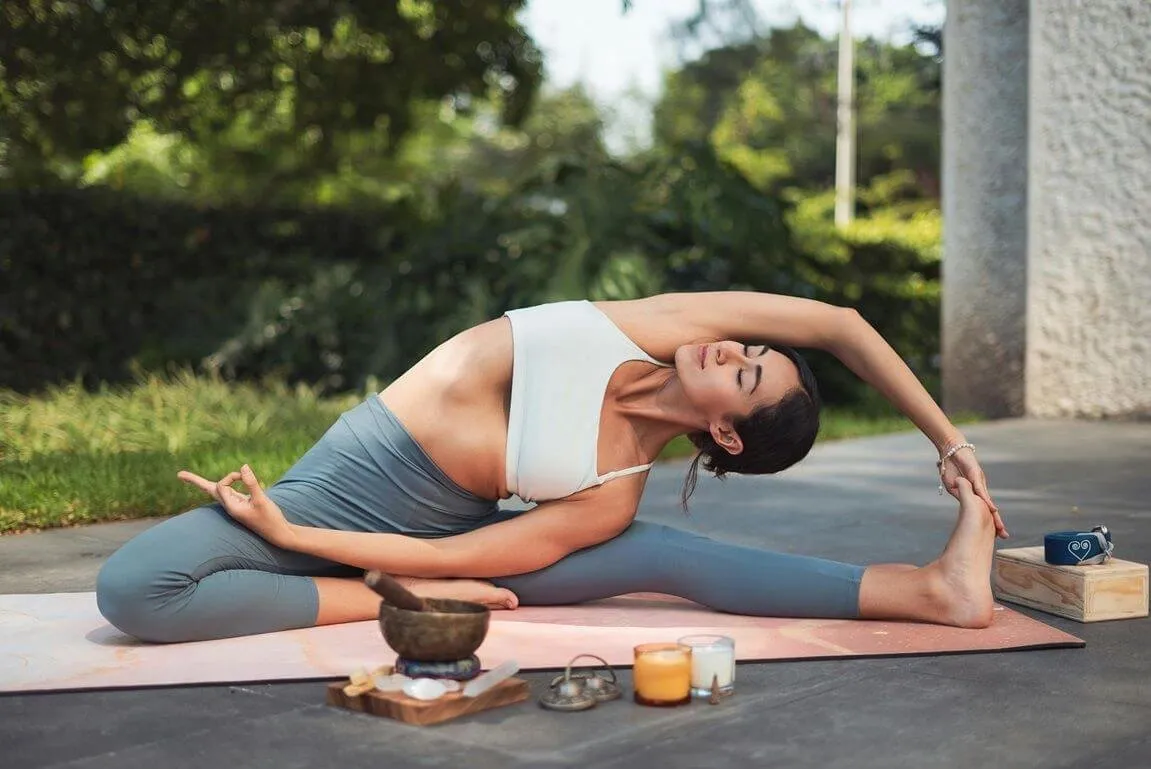
Yoga for the Lower Back
Gentle, beginner-friendly yoga for your lower back. Instructor-guided poses and mindful movement to support mobility and everyday comfort.
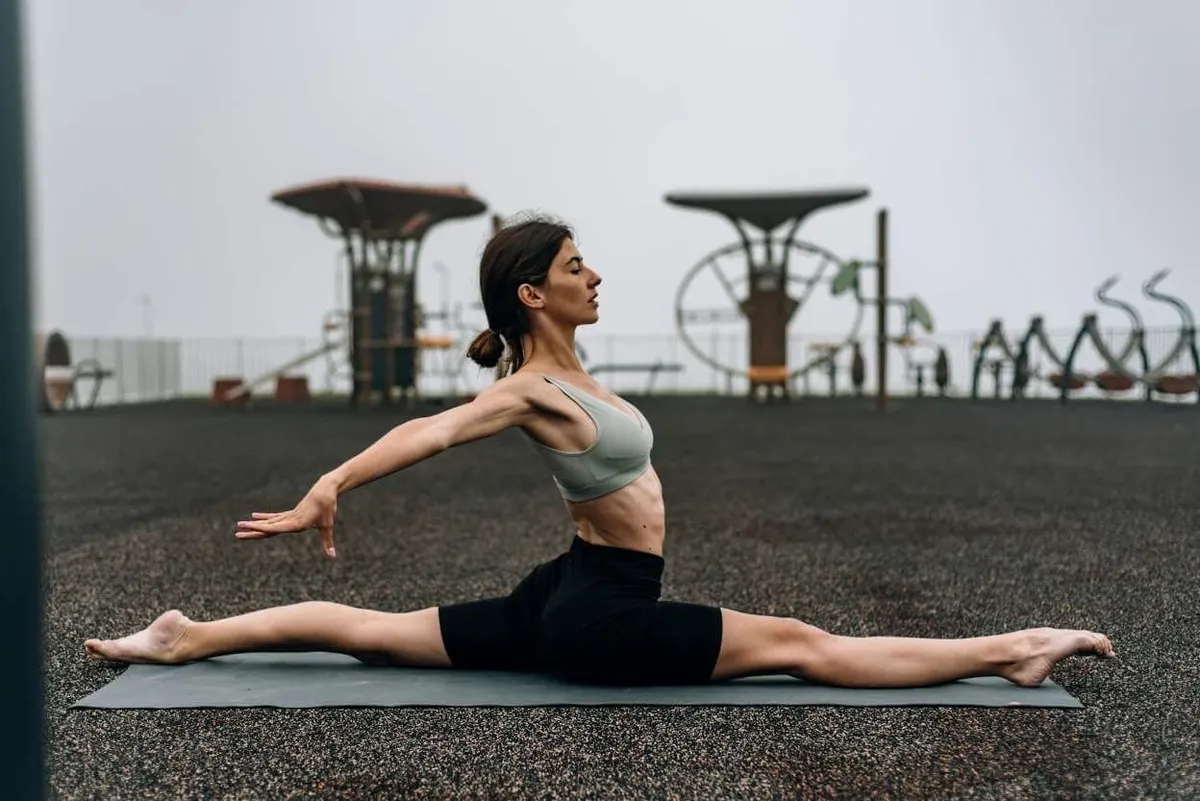
Yoga for Legs
Build stronger, more flexible legs with live, expert-guided yoga. Simple poses for hamstrings, quads, and calves, plus safe practice tips. All levels welcome.
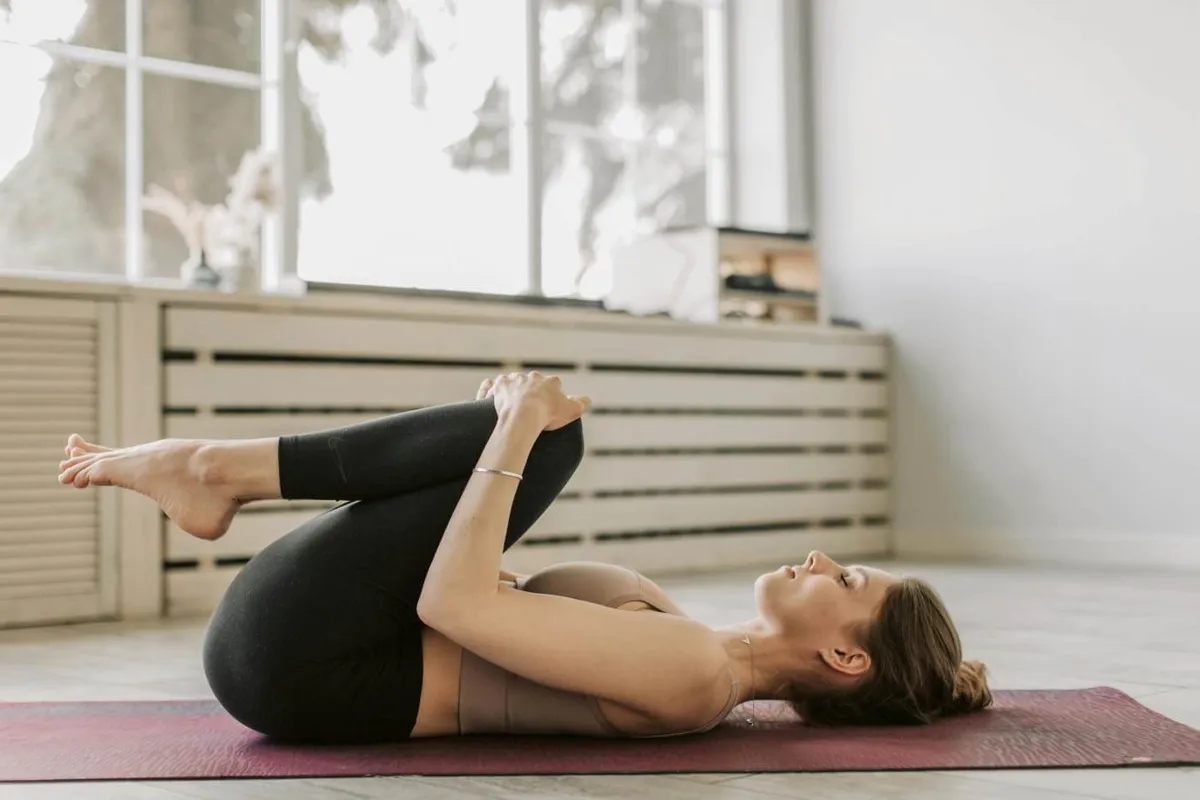
Yoga for Core Strength
Build real core strength with yoga. Five poses covering the front, sides, deep abdominals, and back body, guided live by certified instructors. All levels.
Learn More from Our Journal
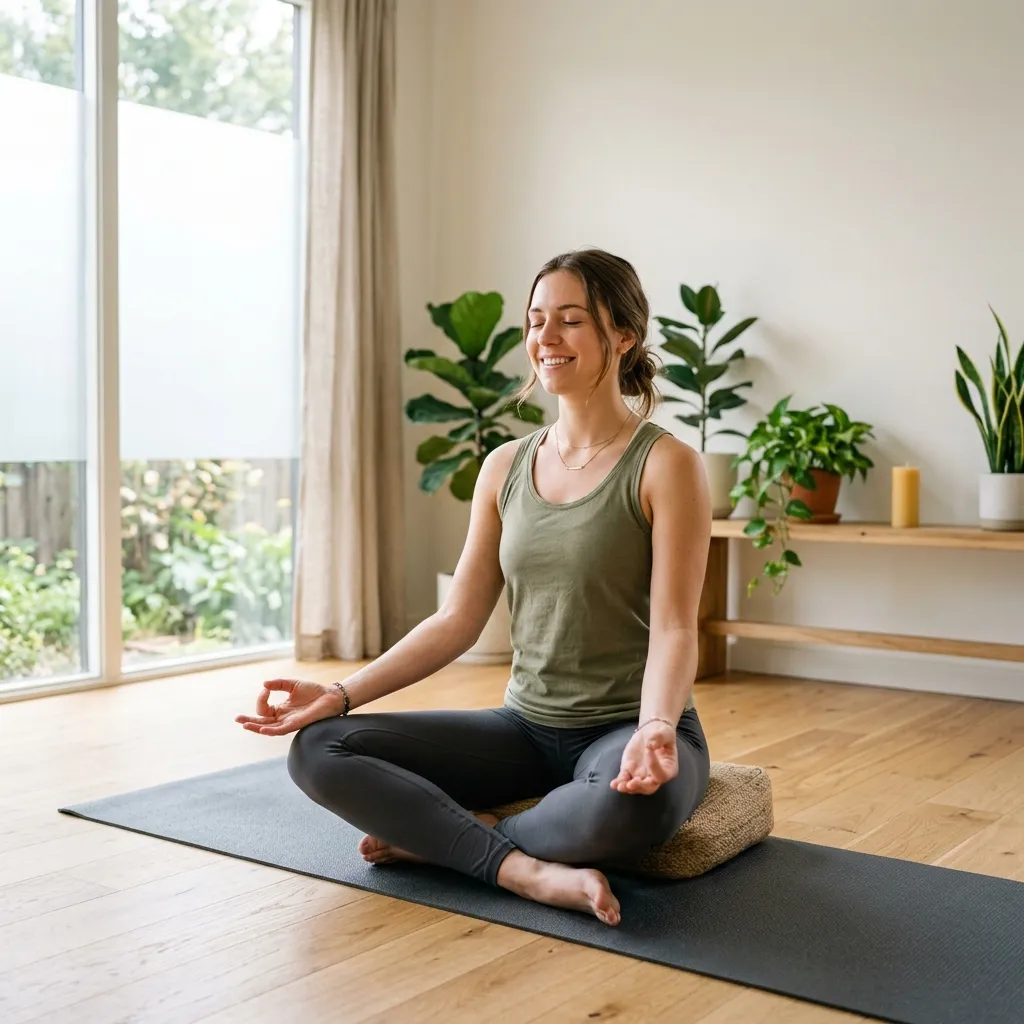
Simple Breathing Exercises to Feel Calmer
Four straightforward breathing exercises you can do anywhere, when to use each one, and the one habit that makes the biggest difference.
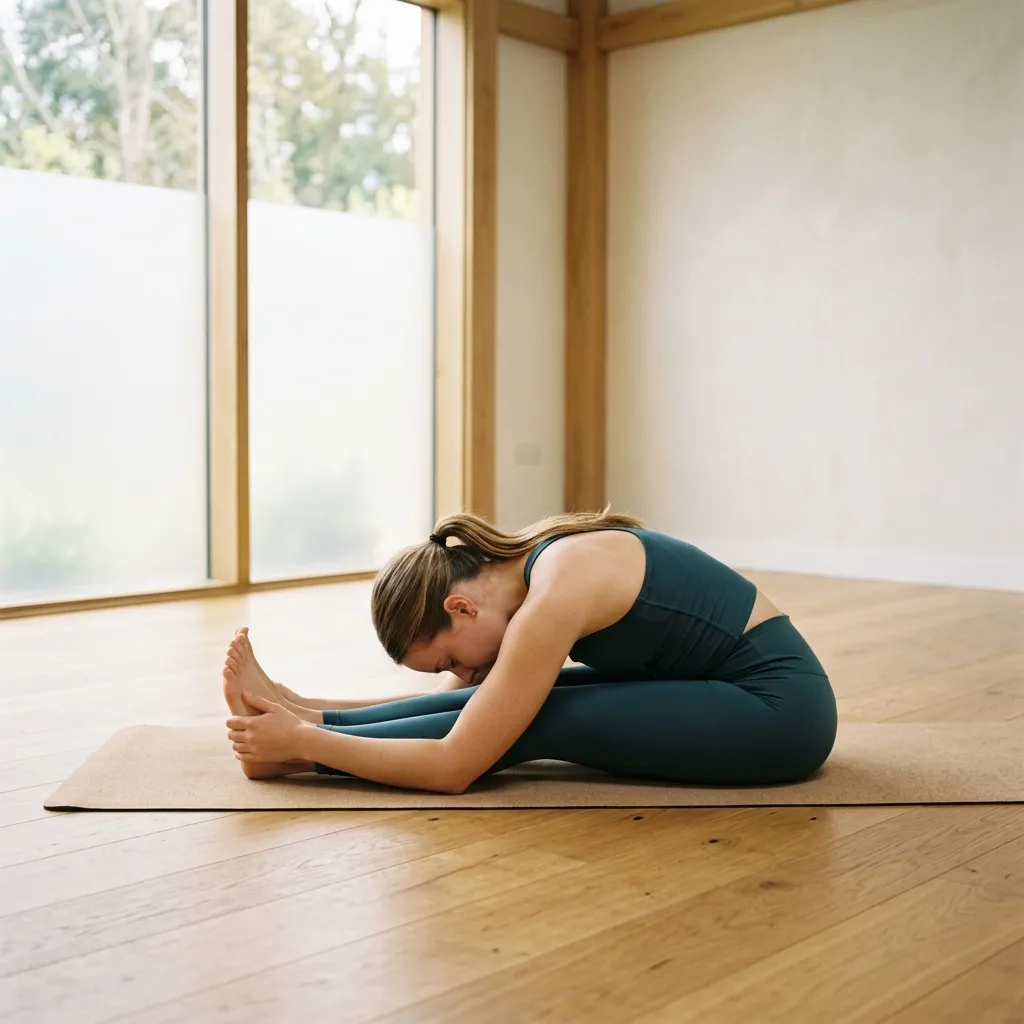
How Long Does It Take to Get Flexible?
A realistic look at how flexibility changes with regular yoga, why consistency matters more than intensity, and what to expect week by week.
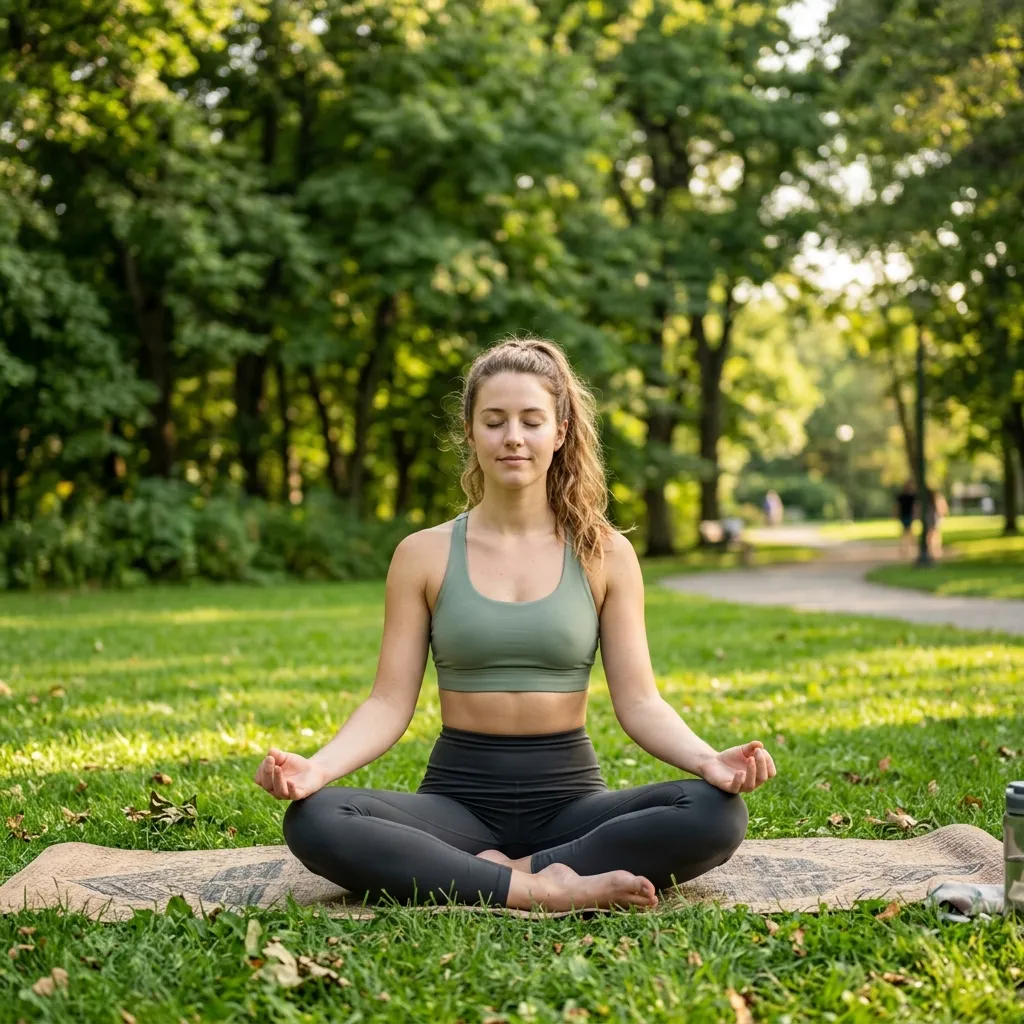
How Do Live Online Meditation Classes Work?
What happens in a live online meditation session, whether your camera stays on, what to sit on, and how a live class differs from using an app.
Questions About Morning Yoga
Is morning yoga better than evening yoga?
Neither is better - they do different jobs. Morning practice tends to wake the body up, ease overnight stiffness, and set a calmer tone for the day. Evening practice suits winding down. The best time is the one you will actually keep to.
How long should a morning yoga routine be?
Ten to twenty minutes is plenty. A short routine done most mornings does far more than a long one you manage twice a week. Even five minutes of gentle movement and breathing counts.
Should I do yoga before or after breakfast?
Most people find it more comfortable before eating, or at least an hour after a meal, since twists and folds can feel awkward on a full stomach. A glass of water beforehand is usually enough.
Why do I feel stiffer in the morning?
Bodies are naturally less mobile after hours of lying still, and that is completely normal. It is why a morning practice should start gently - a few minutes of easy movement before anything that asks for range.
Do I need to warm up before morning yoga?
Yes, and more than you would later in the day. Begin with cat-cow or gentle joint circles rather than going straight into deep stretches. Warm tissue moves far more willingly than cold tissue.
Can beginners start with morning yoga?
Absolutely. A simple morning sequence is one of the easiest ways to begin, because the poses are gentle and the routine is short. Props and easier options are offered throughout our live classes.
What if I am not a morning person?
Then keep it very small. Two or three poses beside the bed, done without much thought, is a realistic start. You can always build from there once it feels automatic.
How soon will I notice a difference?
Many people feel looser and a little more awake after the first session. Changes you can rely on - easier movement, steadier energy through the morning - usually build over several weeks of regular practice. Results vary.
Sources & further reading
Ready to Start Your Mornings Differently?
Book a friendly, no-pressure consultation with YogShri. We will talk through how much time your mornings realistically allow, then help you build a short routine you will keep to.