Yoga for Anxiety & Stress
Live, expert-guided classes and breathwork to help calm a busy mind, ease stress, and feel more grounded — from home.
Can Yoga Help with Anxiety & Stress?
Yes. At YogShri, live guided classes blend calming movement and breathwork that may help ease stress, quiet a busy mind, and support calm. Results vary.
- Calms the Mind
- Slow movement and breath help settle a racing mind
- Eases Tension
- Releases the physical tightness that stress builds in the body
- Steadies Breath
- Breathing practices help slow a quick, shallow breath
- Supports Sleep
- A calming practice helps you unwind for more restful sleep
Why Students Choose YogShri
Our live classes give you personal attention from certified instructors who can see you and guide your form in real time.
Small groups of 10 to 15 for real focus
You are never just a tile on a screen. Smaller classes mean your instructor can guide your alignment and adapt poses to suit you.
100+ live classes, morning to night
Join a session that fits your day — early morning, lunch break, or evening. Every class is live and interactive, never pre-recorded.
Real-time form correction and feedback
Get clear, practical cues to refine each pose, plus a warm community of students and teachers cheering you on.
A program shaped around you
We start with a one-on-one chat about your goals, screen habits, and any limitations, then design a practice that grows with you.
Who Can Benefit from Yoga for Anxiety & Stress?
You do not need to be flexible or experienced to start. Our instructors tailor every session to how you are feeling and where you are beginning from.
Busy Professionals
Back-to-back days and constant deadlines keep the mind switched on. Short practices help you decompress.
Anyone Feeling Overwhelmed
When everything feels like a lot, calming movement and breath offer a simple way to reset.
People Who Struggle to Switch Off
If your mind races at bedtime, an evening wind-down practice can help you settle.
Students Facing Exam Stress
Study pressure builds tension. Brief breathing breaks help steady nerves and focus.
Caregivers & Busy Parents
Looking after everyone else is draining. A few mindful minutes help you recharge.
Complete Beginners
No experience needed. Calm, beginner-friendly sessions with a modification for every pose.
Calming Yoga Poses for Anxiety & Stress
These five calming practices step down gradually - gentle movement first, then grounding, releasing, resting, and finally slow breathing. Move slowly and let each breath lead, and give yourself a few quiet minutes of stillness at the end.
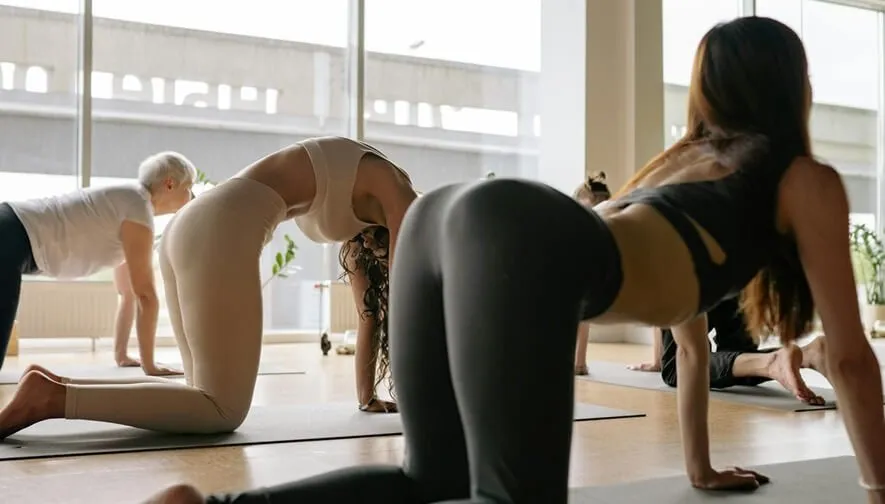
Cat-Cow
A slow, flowing movement that links each breath to easy motion through the spine.
- Come onto your hands and knees, wrists under shoulders
- Inhale, drop your belly and lift your chest (Cow)
- Exhale, round your back and soften your head down (Cat)
- Move slowly, matching each movement to a breath
- Continue for 6 to 8 slow, steady rounds
Why it helps: Links breath with movement to release tension and give a busy mind something calm to focus on.
Start Your Free Trial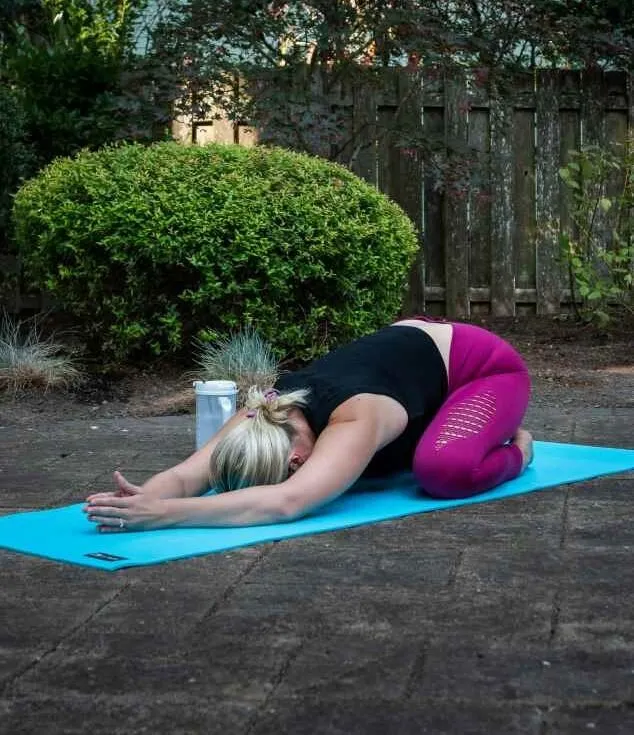
Child's Pose
A restful, grounding pose that turns your attention inward and settles the breath.
- Kneel and sit back toward your heels
- Fold forward and rest your forehead on the mat or a cushion
- Reach your arms forward or rest them alongside you
- Let your shoulders and jaw soften
- Breathe slowly and stay as long as feels good. Widen the knees if that lets you breathe more freely
Why it helps: A quiet, grounding shape that many people find comforting when feeling anxious or overwhelmed.
Start Your Free Trial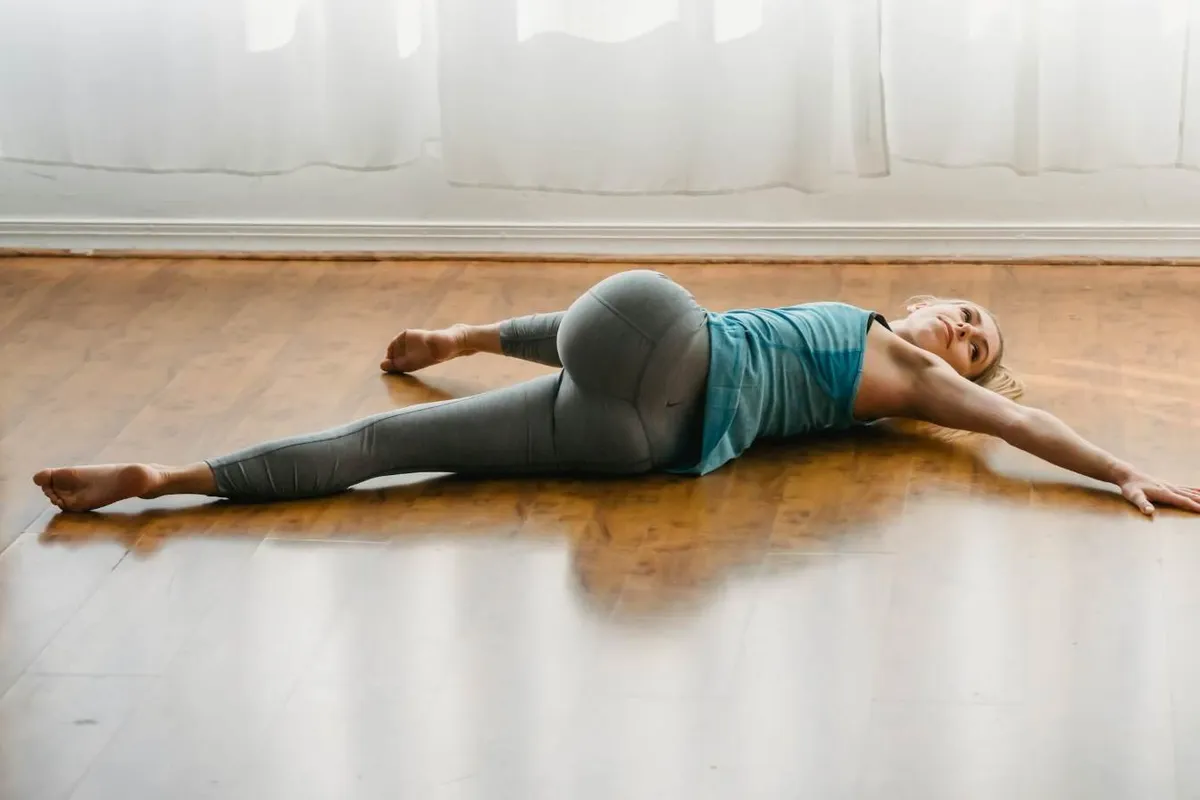
Reclined Twist
A restful lying-down twist that eases the back and encourages the body to let go.
- Lie on your back and hug both knees in
- Let your knees drop slowly to the right
- Open your arms into a T and turn your gaze to the left
- Rest and breathe, keeping the shoulders heavy
- Return to center and repeat on the other side
Why it helps: Releases physical tension through the back and hips while slow breathing helps the body relax.
Start Your Free Trial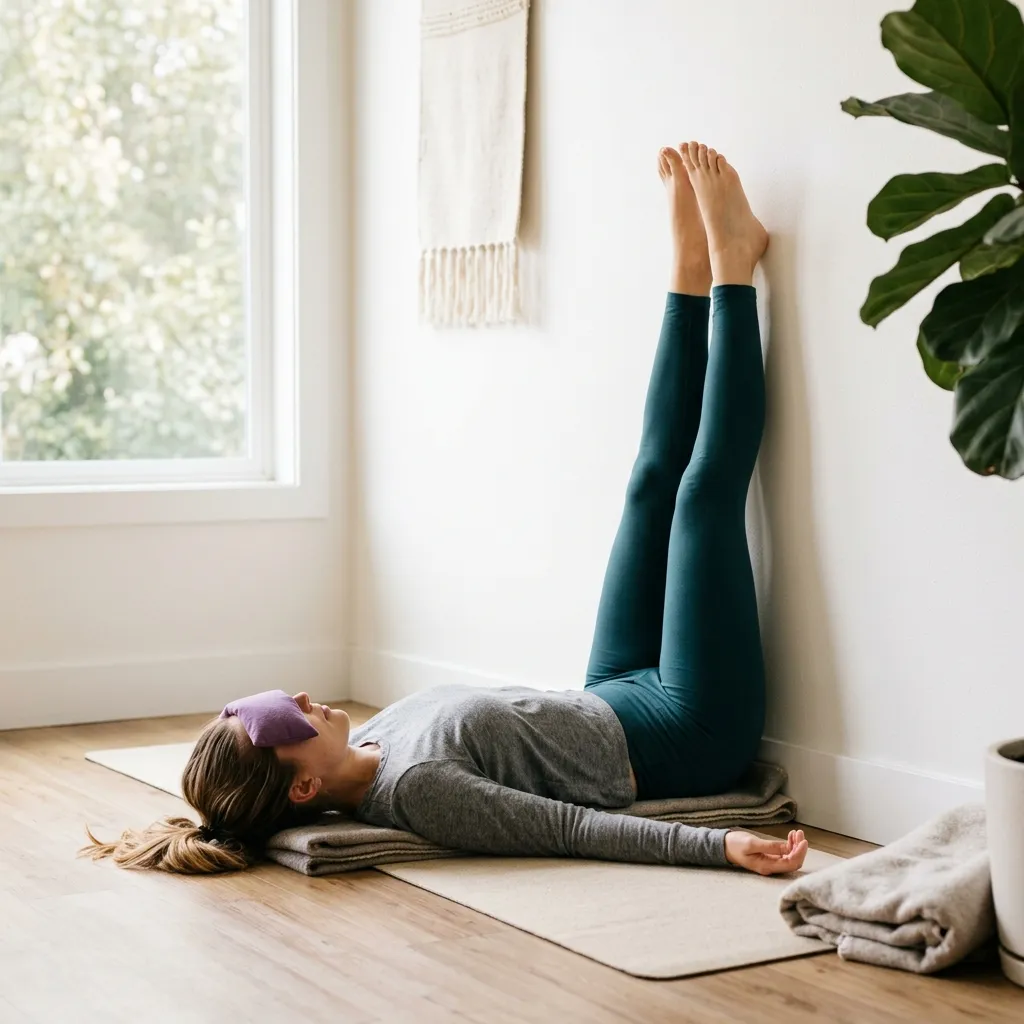
Legs-Up-the-Wall
A fully supported resting pose with the legs resting up against a wall.
- Sit sideways beside a wall, then swing the legs up as you lie back
- Shuffle the hips as close to the wall as is comfortable
- Rest a folded blanket under the hips and keep a soft bend in the knees
- Let the arms rest open, palms up, and soften the jaw and shoulders
- Stay and breathe slowly, then bend the knees and roll to one side to come out gently
Why it helps: A deeply restful shape that asks nothing of you. Many people find a few quiet minutes here the most settling part of the practice.
Start Your Free Trial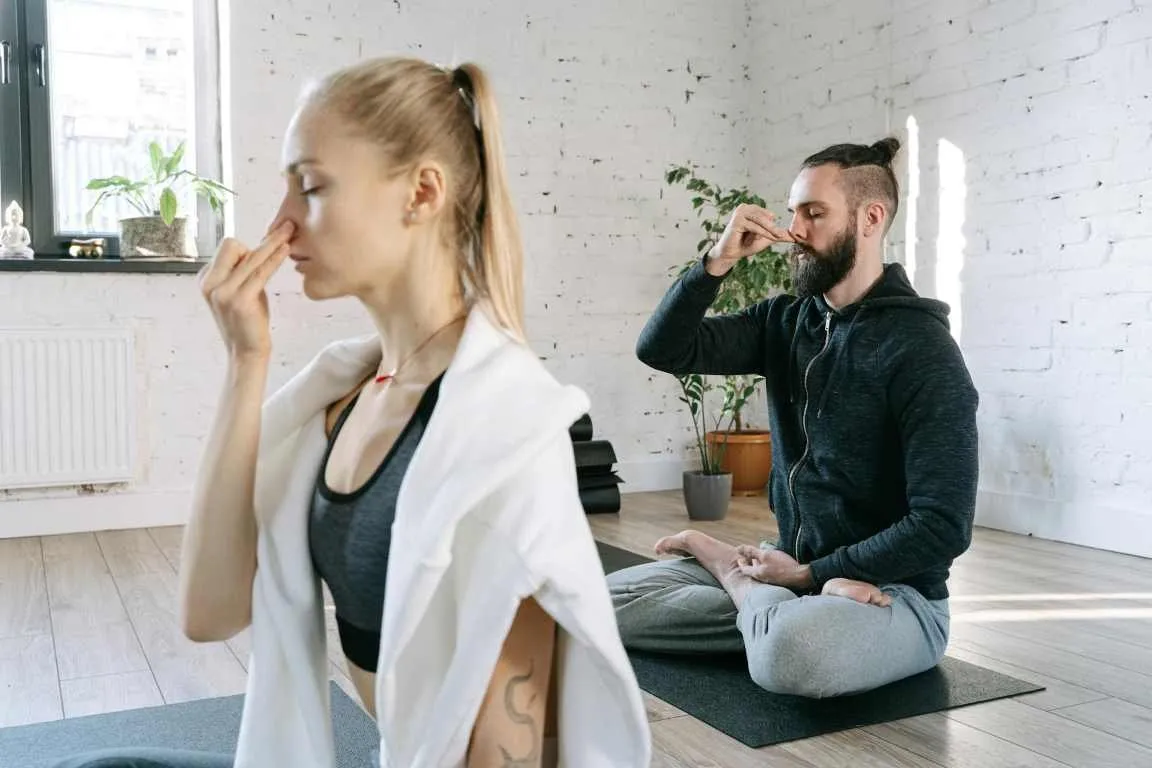
Alternate Nostril Breathing
A simple seated breathing practice that helps steady a quick, uneven breath.
- Sit tall and comfortably, shoulders relaxed
- Rest your left hand on your knee
- Use your right thumb to close the right nostril and inhale through the left
- Close the left nostril and exhale through the right
- Continue slowly, alternating sides. Keep both the inhale and exhale easy - never hold or strain the breath, and stop if you feel breathless
Why it helps: Slow, even breathing is one of the simplest ways to help calm the nervous system and quiet the mind.
Start Your Free TrialThe Benefits ofYoga
A regular practice supports a calmer mind and body from several angles at once — body, breath, and mind.
- Eases TensionSlow, breath-led movement helps release the tension that stress builds in the body.
- Steadies the BreathBreathing practices help slow a quick, shallow breath that often comes with stress.
- Calms the MindFocusing on breath and movement gives a busy, worried mind a place to rest.
- Supports SleepA calming evening practice helps you wind down for more restful sleep.
- Soothes the Nervous SystemSlow movement and long exhales help the body shift out of fight-or-flight.
- Grows AwarenessHelps you notice tension and stress signals earlier, before they build up.
- Releases Physical StressLoosens the shoulders, neck, and back where everyday stress often settles.
- Lifts Your MoodMindful movement can leave you feeling lighter, calmer, and more refreshed.
Common Mistakes to Avoid
A few simple adjustments help your practice feel calming rather than like one more thing to get right.
Pushing hard, thinking a tougher workout will melt stress faster
For anxiety and stress, slower is often better. Favour calming, breath-led movement over intense, fast-paced sessions.
Holding or rushing the breath
Let the breath be slow and easy. A longer, steady exhale is what helps signal the body to relax.
Judging yourself for having a busy mind
A wandering mind is normal. Gently guide your attention back to the breath without frustration — that is the practice.
Only practicing when you already feel overwhelmed
A few calm minutes on most days build more steadiness than one long session in a stressful moment.
Skipping the final rest to save time
The quiet rest at the end is where the nervous system settles. Even one or two minutes makes a difference.
Expecting yoga to replace professional support
Yoga is a helpful complement, not a substitute. For ongoing or severe anxiety, keep working with a qualified professional.
Practicing Yoga for Anxiety & Stress Safely
This is general wellness guidance, not medical or mental-health advice. If you are experiencing severe or persistent anxiety, panic attacks, or a mental health crisis, please reach out to a qualified professional — in the US you can call or text 988 for the Suicide & Crisis Lifeline.
Do
- Move slowly and let a calm, easy breath lead
- Make your exhale a little longer than your inhale
- Choose calming, restorative classes when you feel wound up
- Rest in Child's Pose or a comfortable seat whenever you need to
- Practice in a quiet space where you feel safe and unhurried
- Keep up any therapy or treatment your professional recommends
Avoid
- Fast, intense flows when you are feeling highly anxious
- Forcing or holding the breath, which can heighten anxiety
- Comparing your practice to others in class or online
- Judging yourself when the mind feels busy
- Skipping the final relaxation to save time
- Using yoga as a replacement for professional mental-health care
Key takeaways
- Slow, breath-led yoga may help ease everyday stress and support a calmer mind, with results varying from person to person.
- Calming options like Cat-Cow, Child's Pose, a reclined twist, legs-up-the-wall, and slow breathing are a friendly place to start.
- A longer, steady exhale is one of the simplest ways to help the body feel calmer.
- A few calm minutes on most days help more than one long session — little and often is the goal.
- Yoga complements professional care but does not replace it. For severe or persistent anxiety, speak with a qualified professional.
Explore Yoga for Related Areas
Yoga for the Lower Back
Gentle, beginner-friendly yoga for your lower back. Instructor-guided poses and mindful movement to support mobility and everyday comfort.
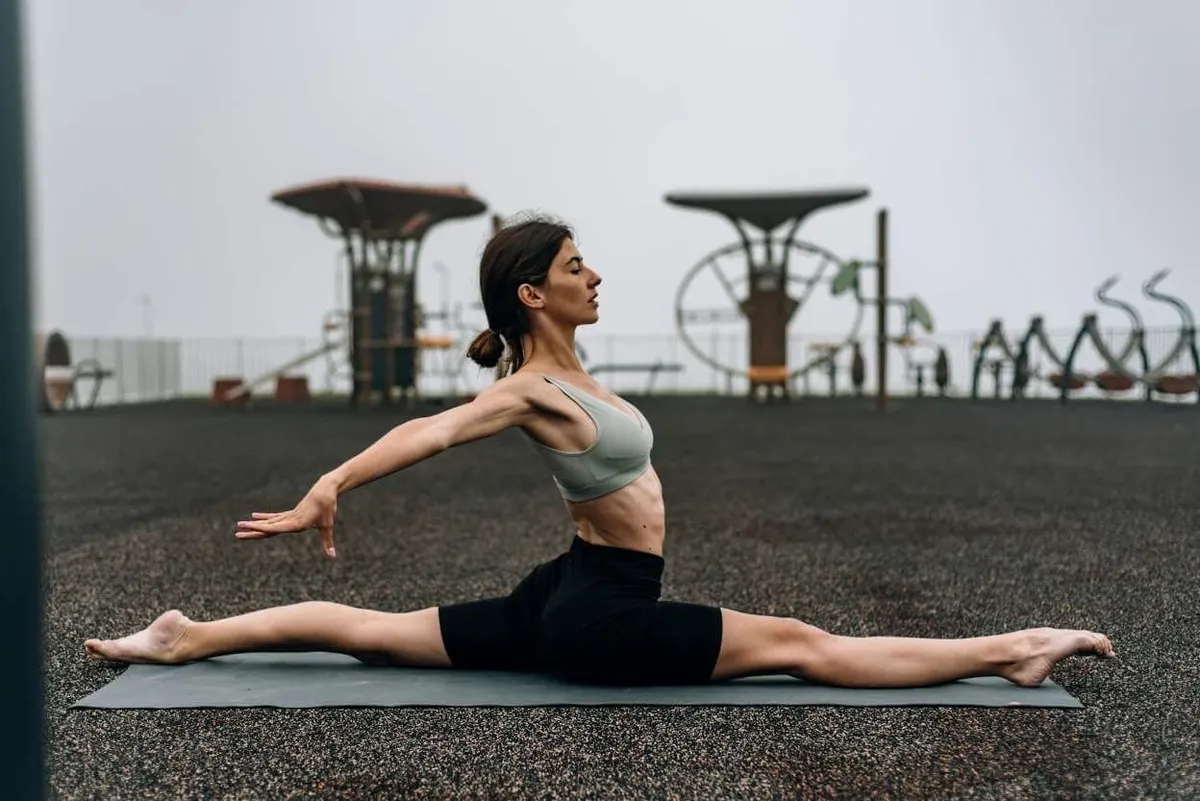
Yoga for Legs
Build stronger, more flexible legs with live, expert-guided yoga. Simple poses for hamstrings, quads, and calves, plus safe practice tips. All levels welcome.
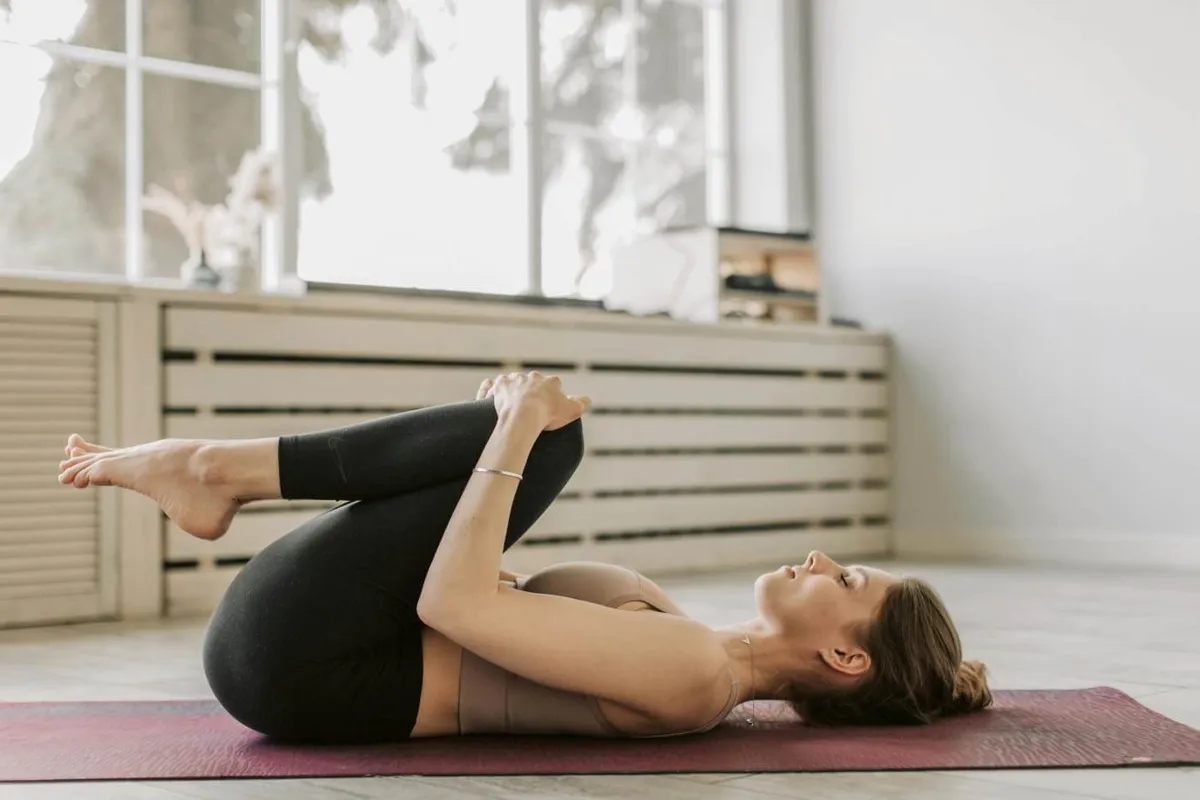
Yoga for Core Strength
Build real core strength with yoga. Five poses covering the front, sides, deep abdominals, and back body, guided live by certified instructors. All levels.
Learn More from Our Journal
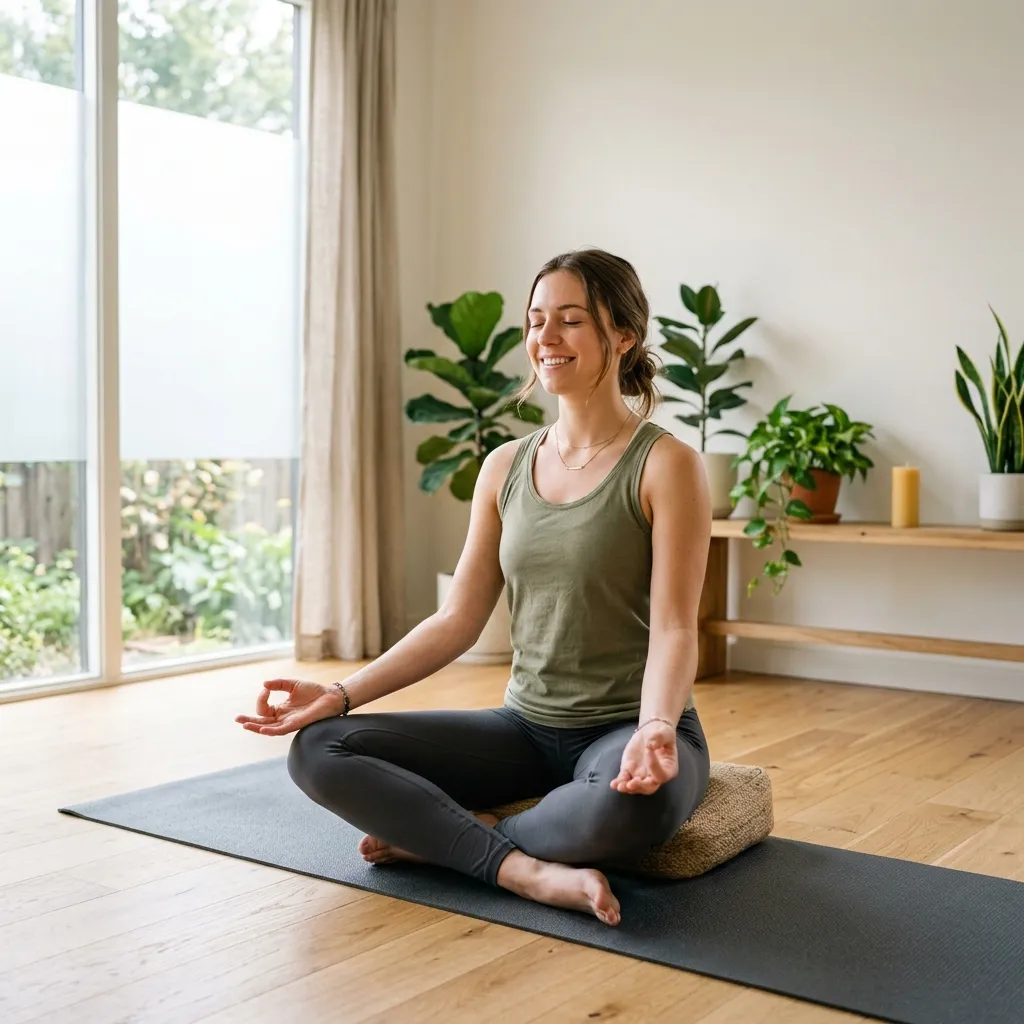
Simple Breathing Exercises to Feel Calmer
Four straightforward breathing exercises you can do anywhere, when to use each one, and the one habit that makes the biggest difference.
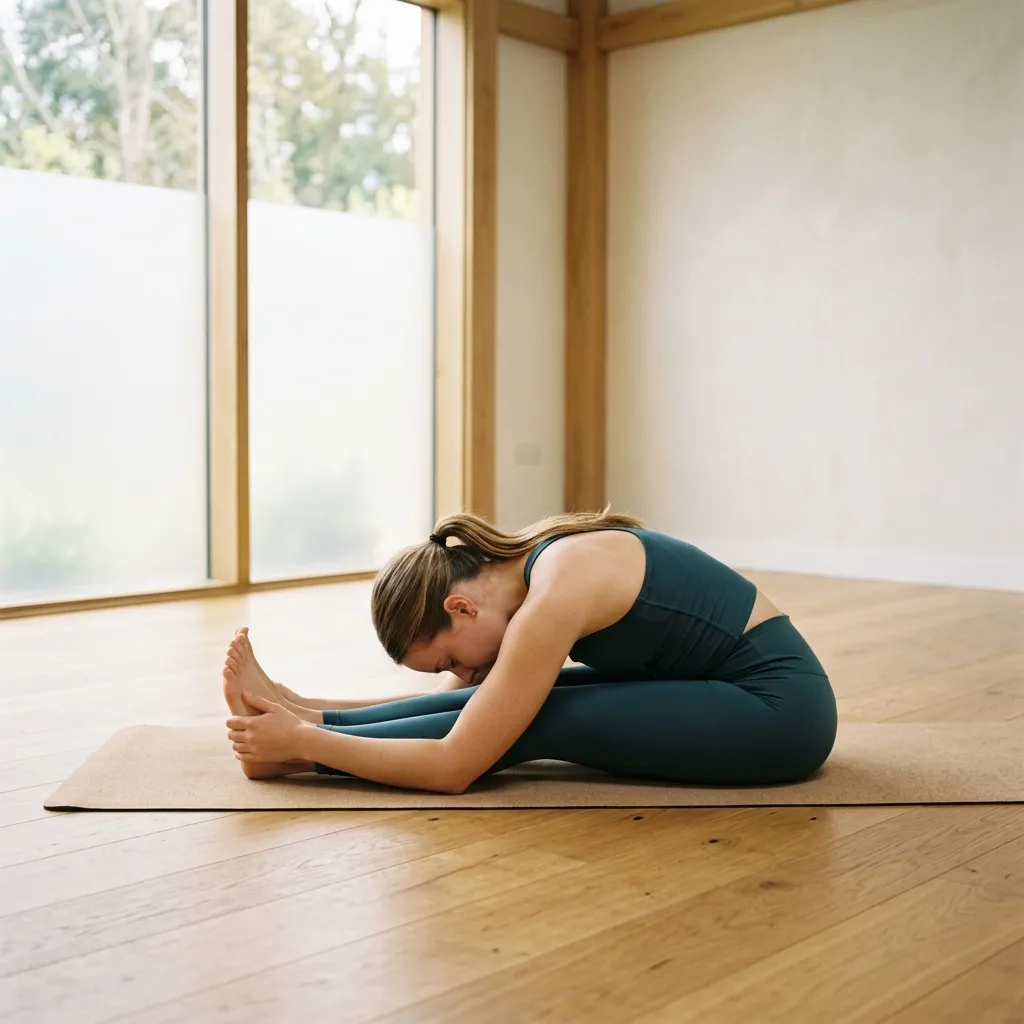
How Long Does It Take to Get Flexible?
A realistic look at how flexibility changes with regular yoga, why consistency matters more than intensity, and what to expect week by week.
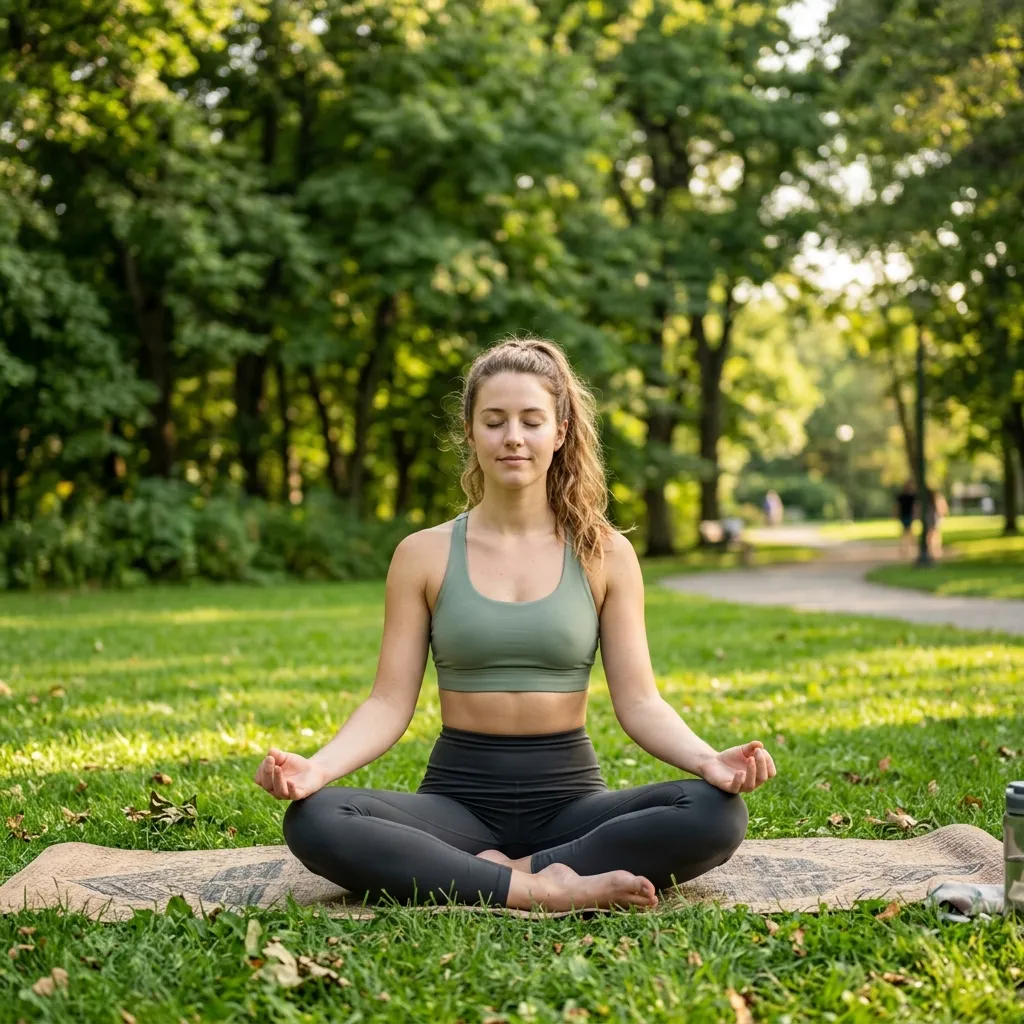
How Do Live Online Meditation Classes Work?
What happens in a live online meditation session, whether your camera stays on, what to sit on, and how a live class differs from using an app.
Questions About Yoga for Anxiety & Stress
Can yoga help with anxiety and stress?
Many people find that calming, breath-led yoga helps ease everyday stress and quiet a busy mind. It works best alongside a balanced routine and, where needed, professional support. Results vary from person to person.
Which yoga poses are good for anxiety?
Calming options like Cat-Cow, Child's Pose, a reclined twist, legs-up-the-wall, and slow breathing such as alternate-nostril breathing are popular for easing stress. Move slowly and let the breath lead.
How does breathing help with stress?
Slow, steady breathing — especially a longer exhale — helps signal the body to relax. Simple breath practices are one of the easiest ways to feel calmer in the moment.
How often should I practice?
A few calm minutes on most days tends to help more than one long session now and then. Even 5 to 10 minutes of daily breathing and movement can make a difference over time.
Is yoga a replacement for therapy or medication?
No. Yoga is a supportive, complementary practice, not a substitute for professional mental-health care. If you are living with an anxiety disorder, keep working with your qualified provider.
I am a beginner and feel tense — can I still do this?
Absolutely. Calm, beginner-friendly classes are designed for exactly this, with a modification for every pose. You start right where you are today.
Can yoga help me sleep better when I am stressed?
Many people find a calming evening practice helps them unwind, which can support more restful sleep. A few slow poses and steady breathing before bed is an easy place to start.
When should I seek professional help?
If anxiety is severe or persistent, you have panic attacks, or you feel unable to cope, please reach out to a qualified professional. In the US, you can call or text 988 for the Suicide & Crisis Lifeline.
Sources & further reading
- Yoga: What You Need To Know — National Center for Complementary and Integrative Health (NCCIH)
- Yoga for anxiety and depression — Harvard Health Publishing
- Relaxation techniques: Breath control helps quell errant stress response — Harvard Health Publishing
- Anxiety Disorders — National Institute of Mental Health (NIMH)
Ready to Feel Calmer?
Book a friendly, no-pressure consultation with YogShri. We will learn how you are feeling and your daily rhythm, then help you build a calming practice that fits your life.