
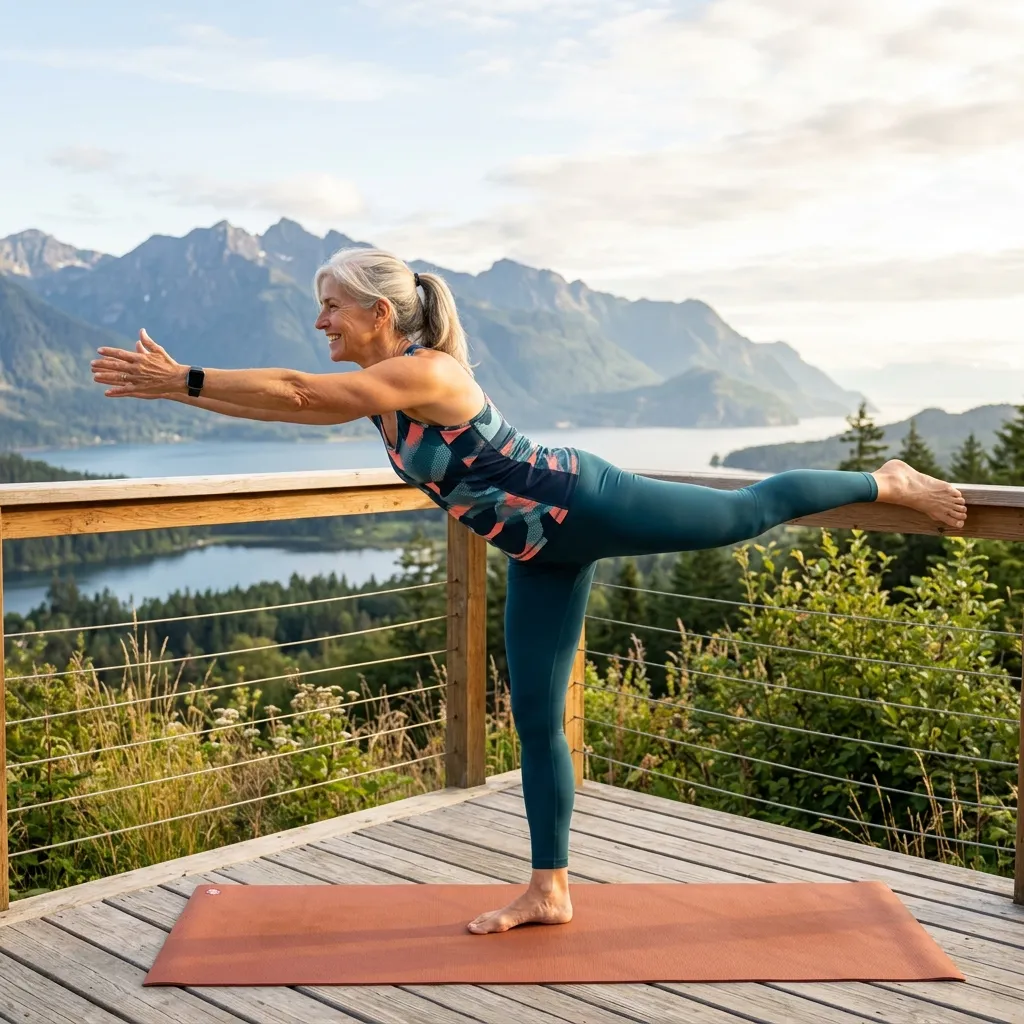
Yoga for Seniors
Gentle, chair-supported yoga with live expert guidance to help you stay steady, strong, and mobile.
Is Yoga Good for Older Adults?
Yes. At YogShri, live expert-guided classes use gentle chair-supported poses that may help support balance, everyday strength, and comfortable mobility. Results vary.
- Supports Balance
- Standing poses beside a chair help you feel steadier on your feet
- Builds Everyday Strength
- Gentle leg work supports stairs, standing, and walking
- Keeps Joints Moving
- Slow seated movement helps stiff joints feel more comfortable
- No Floor Work Needed
- Every pose works standing or seated in a chair
Why Students Choose YogShri
Our live classes mean a certified instructor is watching, ready to offer a steadier option the moment you need one - which matters a great deal with balance work.
Small groups of 10 to 15 for real focus
You are never just a tile on a screen. Your instructor can see your balance and suggest support before you feel unsteady.
Daytime sessions at a comfortable pace
Join a gentle class at a time that suits you. Every session is live and interactive, never pre-recorded.
Clear cueing and chair-supported options
Get straightforward instructions, plenty of time to move, and a seated alternative offered for every standing pose.
A program shaped around you
We start with a one-on-one chat about your mobility, joints, and any conditions, then design a practice that suits you.
Who Can Benefit from Yoga for Seniors?
You do not need to be flexible, fit, or able to get down to the floor. A sturdy chair is the only equipment required.
Anyone New to Yoga Later in Life
Plenty of our students start in their sixties and beyond. Beginning gently matters far more than starting young.
People Wanting Steadier Balance
Feeling less sure on your feet is common and very workable. Supported standing poses build confidence gradually.
Anyone With Stiff Joints
Gentle, controlled movement within a comfortable range often helps stiff joints feel easier through the day.
People Who Sit for Long Periods
Seated movement keeps the spine and hips comfortable without needing to get up and down repeatedly.
Anyone Using a Walking Aid
Seated practice works beautifully. A full session can be built around a chair with no standing at all.
Those Returning After a Break
If illness or a long gap has left you less active, this is a kind and manageable way back into movement.
Gentle Yoga Poses for Seniors
These five poses cover posture, gentle mobility, balance, leg strength, and rest - the things that matter most for staying independent. Keep a sturdy chair within reach for every standing pose, and take a seated version whenever you prefer.
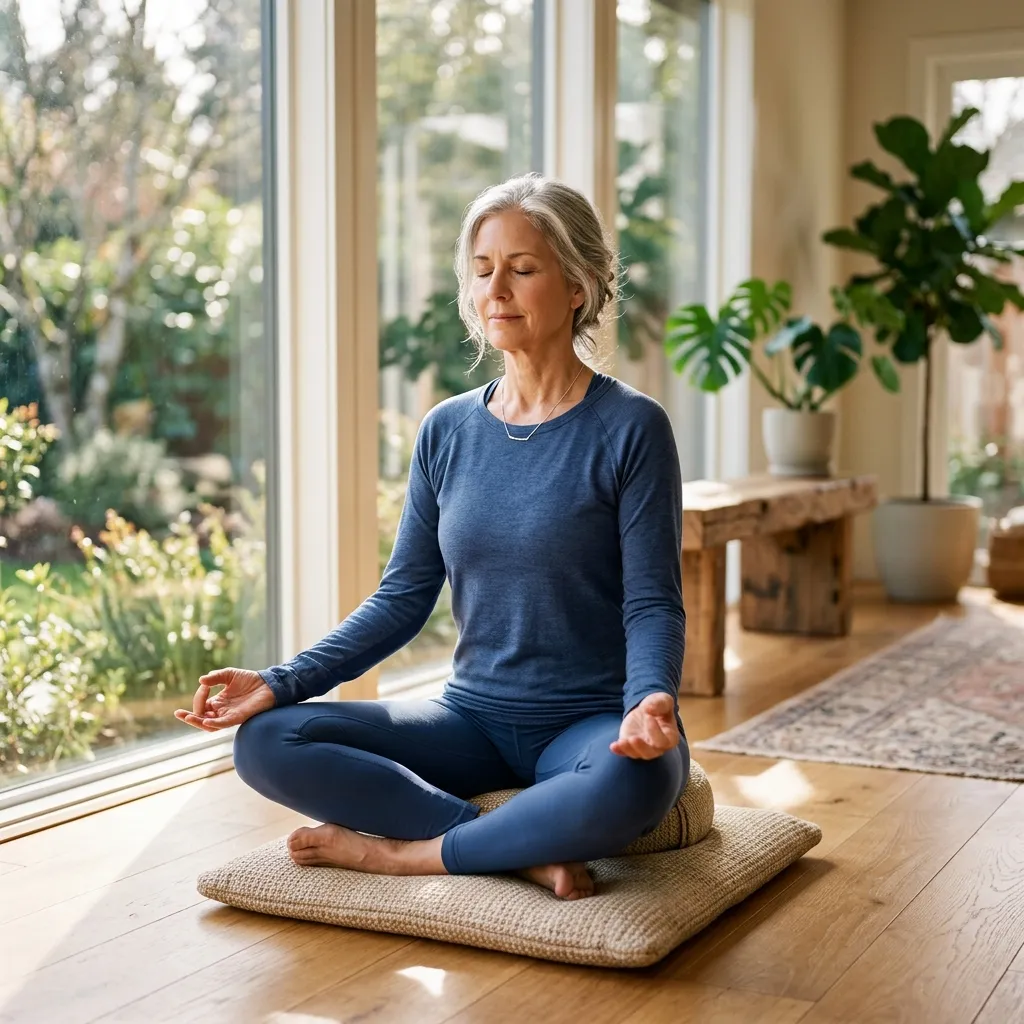
Mountain Pose
Standing tall and evenly balanced, with a chair within easy reach.
- Stand behind or beside a sturdy chair, resting a hand on it
- Place the feet hip-width apart or wider, whichever feels steadier
- Spread the weight evenly through both feet and soften the knees slightly
- Lengthen up through the spine and let the shoulders relax down
- Breathe slowly. This also works sitting tall in the chair
Why it helps: May help you feel taller and more grounded, and it is where you learn to spread your weight evenly through both feet.
Start Your Free Trial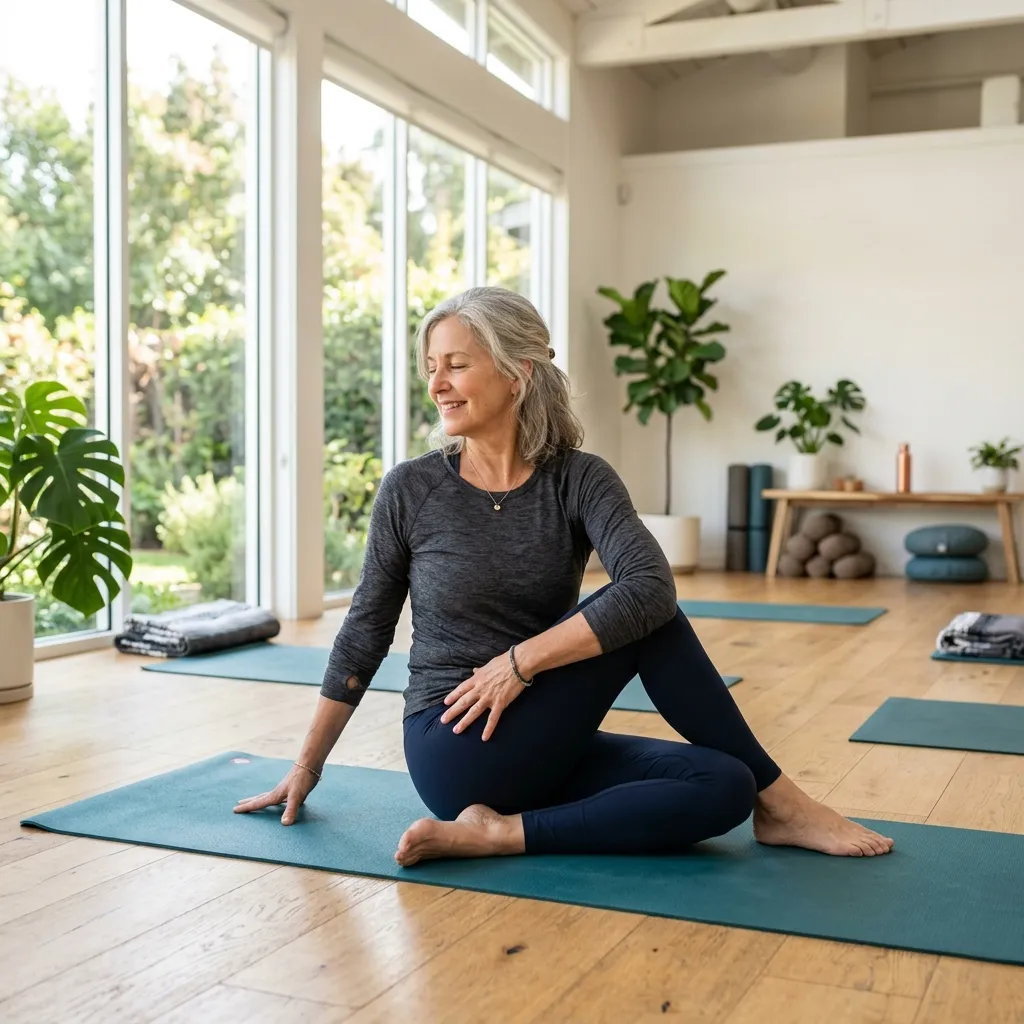
Seated Spinal Twist
A slow seated rotation that keeps the spine moving comfortably.
- Sit tall in a chair with both feet flat on the floor
- Rest the right hand on the back of the chair and the left hand on the right knee
- Inhale to lengthen the spine, then exhale and turn gently to the right
- Let the head turn last, only as far as is comfortable
- Unwind slowly on an inhale, then repeat on the other side
Why it helps: May help maintain comfortable rotation through the spine, which supports everyday movements like turning to look behind you.
Start Your Free Trial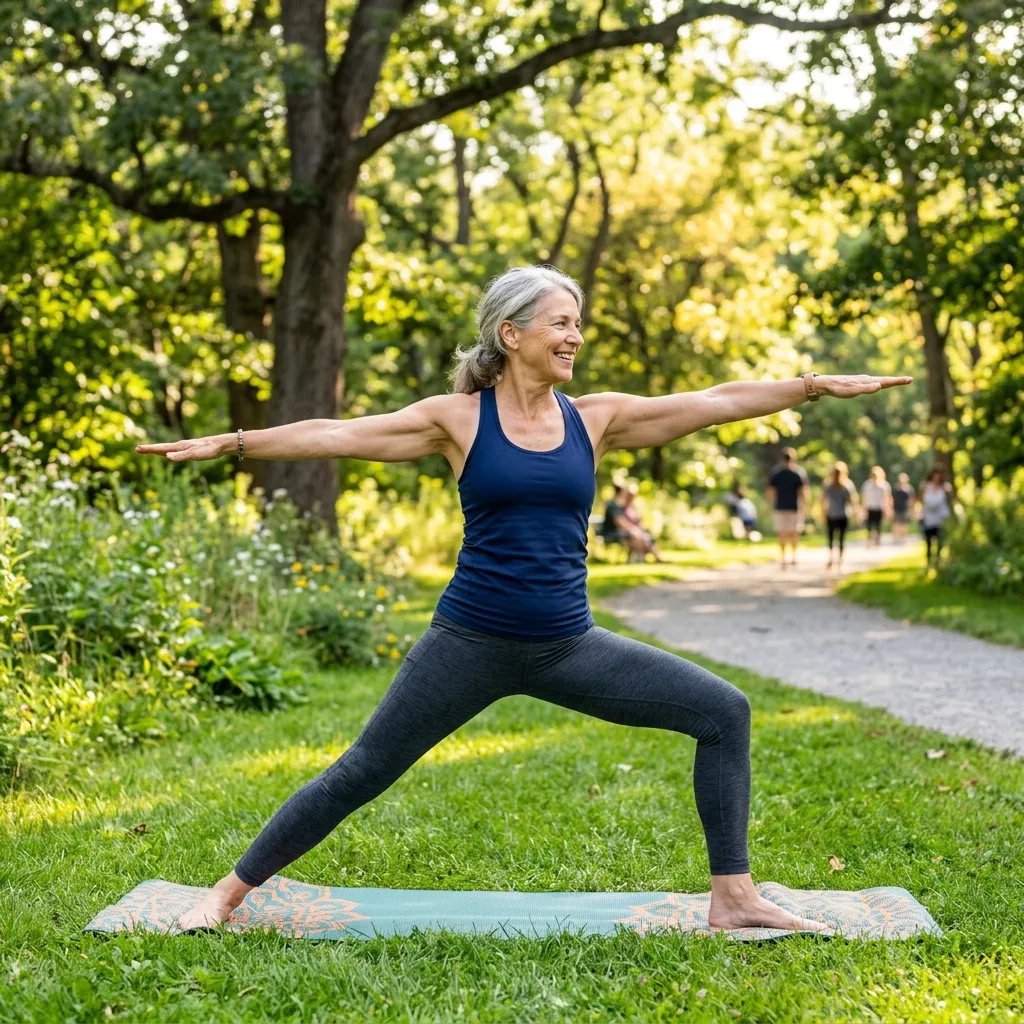
Tree Pose
A supported single-leg balance, always practised beside a chair or wall.
- Stand beside a chair or wall and hold on with one hand
- Shift your weight into the left foot
- Rest the right toes on the floor beside the left ankle - that is enough to begin
- Only lift the foot higher onto the calf if you feel completely steady
- Keep holding the chair throughout, then swap sides. Never practise balance work unsupported
Why it helps: Balance is a skill that responds to practice, and supported single-leg work may help you feel more confident on your feet.
Start Your Free Trial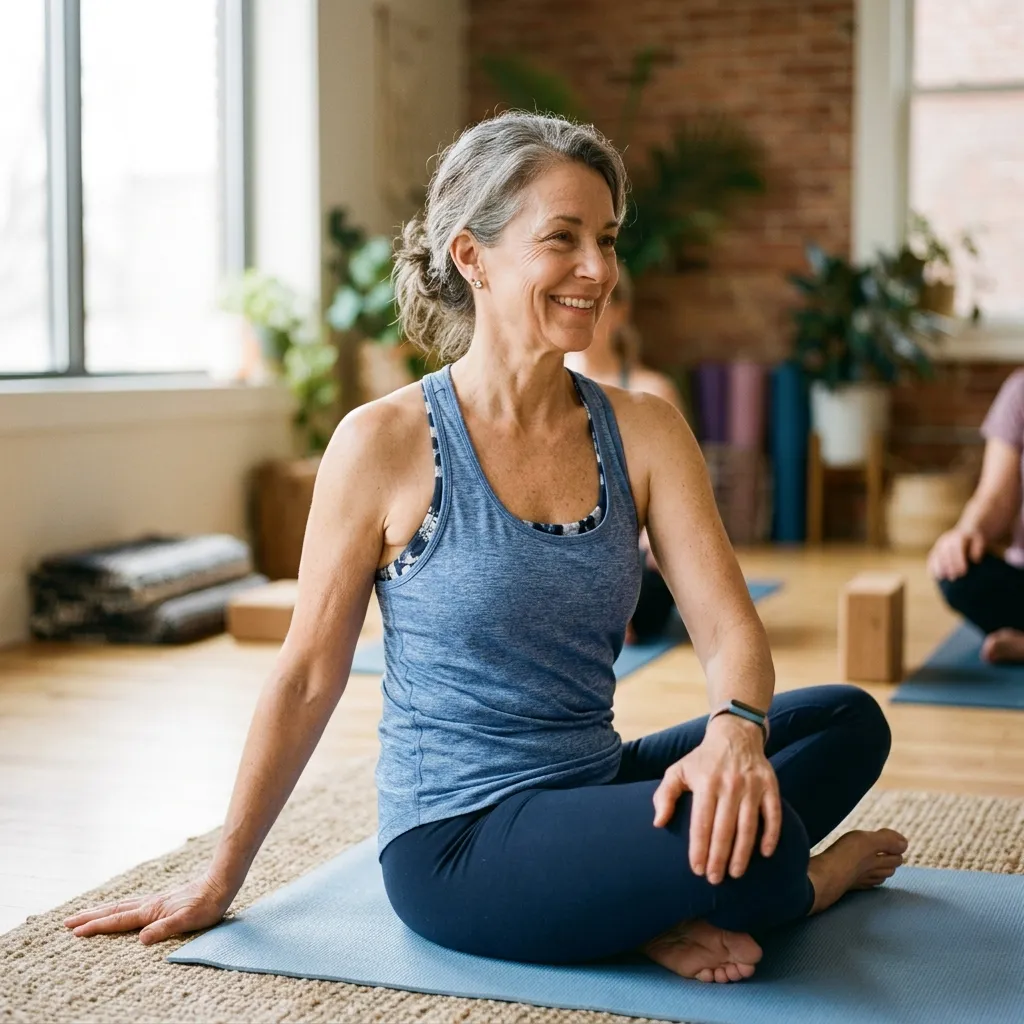
Warrior II
A wide, stable standing pose held with a shallow, comfortable bend.
- Stand with a chair beside you and step the feet wide apart
- Turn the right foot out and rest your left hand on the chair back
- Bend the front knee only a little, keeping it over the middle of the foot
- Reach the right arm out at shoulder height
- Straighten the leg slowly and repeat on the other side. This also works seated
Why it helps: May help build strength in the legs and hips, which is what supports stairs, standing up, and walking with confidence.
Start Your Free Trial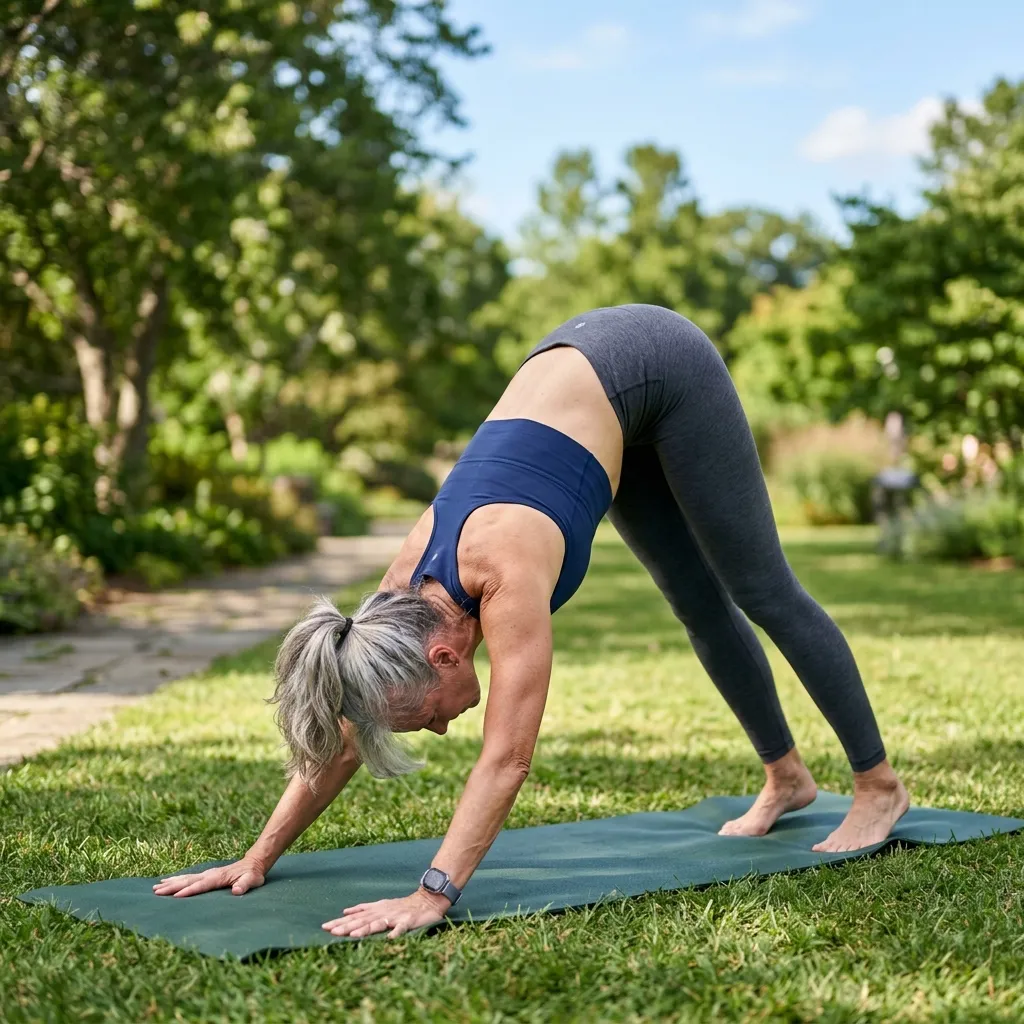
Legs-Up Rest
A restful finish with the legs supported and raised.
- If the floor is comfortable for you, lie on your back with the legs resting up a wall
- Keep a soft bend in the knees and a folded blanket under the hips
- If getting to the floor is difficult, sit in your chair and rest the feet up on a stool instead
- Let the arms rest open and soften the shoulders
- Breathe slowly, then come out gently and unhurried
Why it helps: A soothing way to finish that takes the load off tired legs and gives the whole body a few settled minutes.
Start Your Free TrialThe Benefits ofYoga
A gentle, consistent practice offers several connected benefits that support independence, comfort, and confidence.
- Supports BalanceSupported standing poses build steadiness and confidence on your feet.
- Builds Everyday StrengthGentle leg and hip work supports stairs, standing up, and walking.
- Keeps Joints MovingSlow, controlled movement helps stiff joints feel more comfortable.
- Supports PostureLengthening the spine and opening the chest helps you sit and stand taller.
- Supports CirculationMindful movement and breathing support healthy blood flow.
- Eases StiffnessRegular gentle movement helps the body feel less stiff after sitting.
- Supports Stress ReliefBreath and movement together support relaxation and a calmer mood.
- Supports Rest & RenewalSupported resting poses encourage genuine relaxation at the end of a session.
Common Mistakes to Avoid
A few sensible habits make gentle yoga both safer and more enjoyable as the years go on.
Practising balance poses without support
Always keep a hand on a chair or wall. Balance improves through repetition, not through risk, and a fall sets you back much further.
Trying to match a younger version of yourself
Work with the body you have today. A shallow bend held comfortably does more good than a deep one held with strain.
Skipping the warm-up
Start with a few minutes of gentle seated movement. Joints and muscles need a little time before they are ready to work.
Holding the breath during effort
Keep breathing slowly and evenly. If you cannot breathe comfortably in a pose, ease off until you can.
Standing up too quickly after resting
Come up slowly and pause when seated before standing. Rising quickly can leave you lightheaded.
Pushing on through joint discomfort
Sharp or new pain is a signal to stop, not something to work through. Mention it to your instructor and your doctor.
Practising Safely
This is general wellness guidance rather than medical advice. Gentle yoga suits most older adults and works best alongside your healthcare provider guidance - please check with your doctor before starting, particularly if you have a heart or blood pressure condition, osteoporosis, joint replacements, balance difficulties, or have had recent surgery.
Do
- Keep a sturdy chair within reach for every standing pose
- Warm up with a few minutes of gentle seated movement
- Take the seated version of any pose whenever you prefer
- Move slowly and keep the breath easy throughout
- Stand up slowly, pausing when seated first
- Keep water nearby and rest as often as you need
Avoid
- Balance poses without a chair or wall to hold
- Inversions such as headstand and shoulderstand
- Deep forward folds if you have osteoporosis or spine concerns
- Holding the breath or straining in any pose
- Any sharp or new joint pain - stop and seek advice
- Practising through dizziness or breathlessness
Key takeaways
- Gentle yoga may help support balance, everyday strength, and comfortable mobility in later life. Results vary from person to person.
- You never need to get down to the floor. Every pose here works standing with a chair or seated in it.
- Always practise balance work holding a chair or wall. Steadiness builds through repetition, never through risk.
- A shallow bend held comfortably does more good than a deep one held with strain.
- Two or three sessions a week is plenty, and this works best alongside your doctor guidance.
Explore Yoga for Related Areas
Yoga for the Lower Back
Gentle, beginner-friendly yoga for your lower back. Instructor-guided poses and mindful movement to support mobility and everyday comfort.
Yoga for Legs
Build stronger, more flexible legs with live, expert-guided yoga. Simple poses for hamstrings, quads, and calves, plus safe practice tips. All levels welcome.
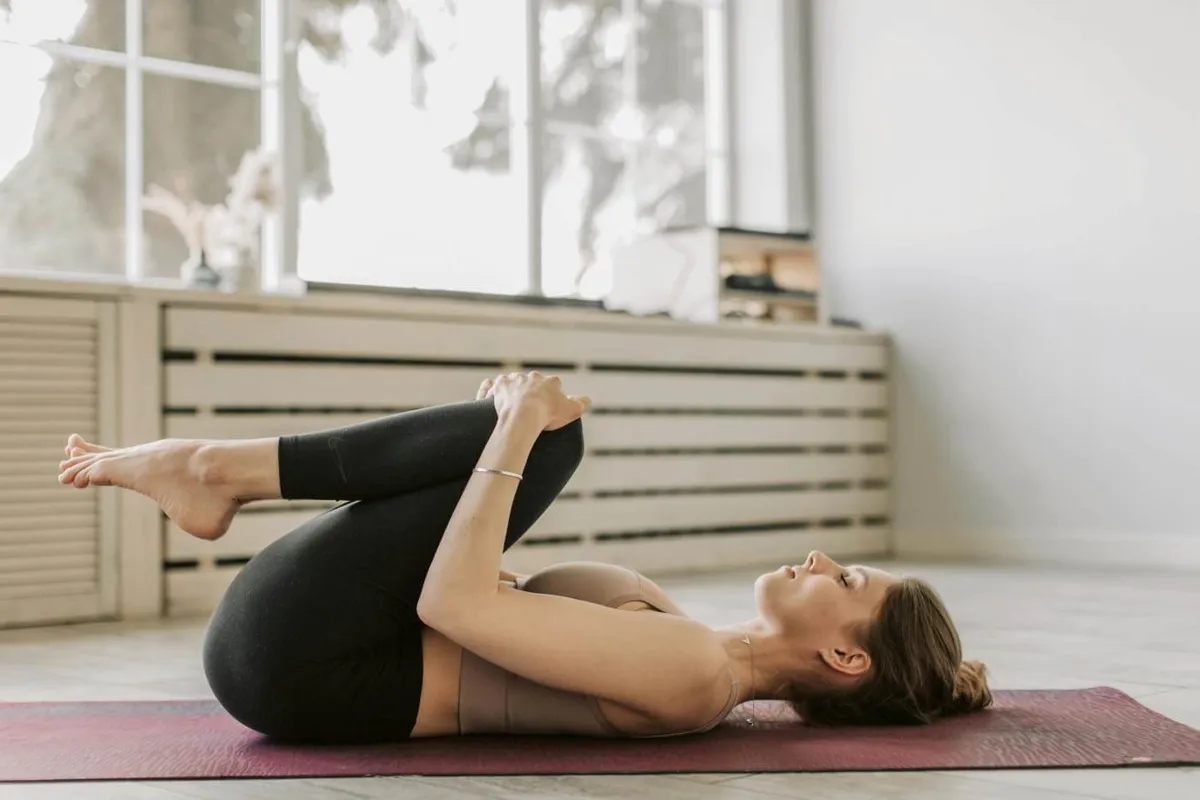
Yoga for Core Strength
Build real core strength with yoga. Five poses covering the front, sides, deep abdominals, and back body, guided live by certified instructors. All levels.
Learn More from Our Journal
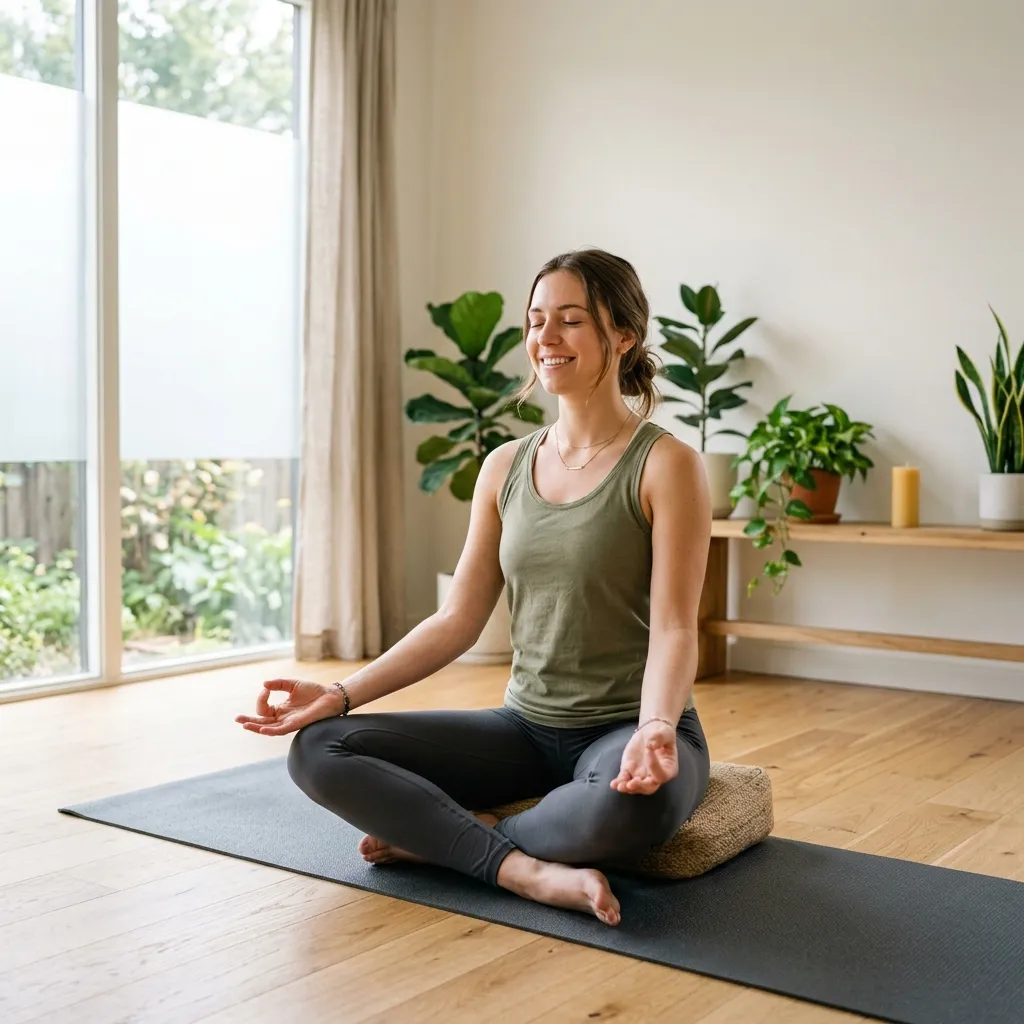
Simple Breathing Exercises to Feel Calmer
Four straightforward breathing exercises you can do anywhere, when to use each one, and the one habit that makes the biggest difference.
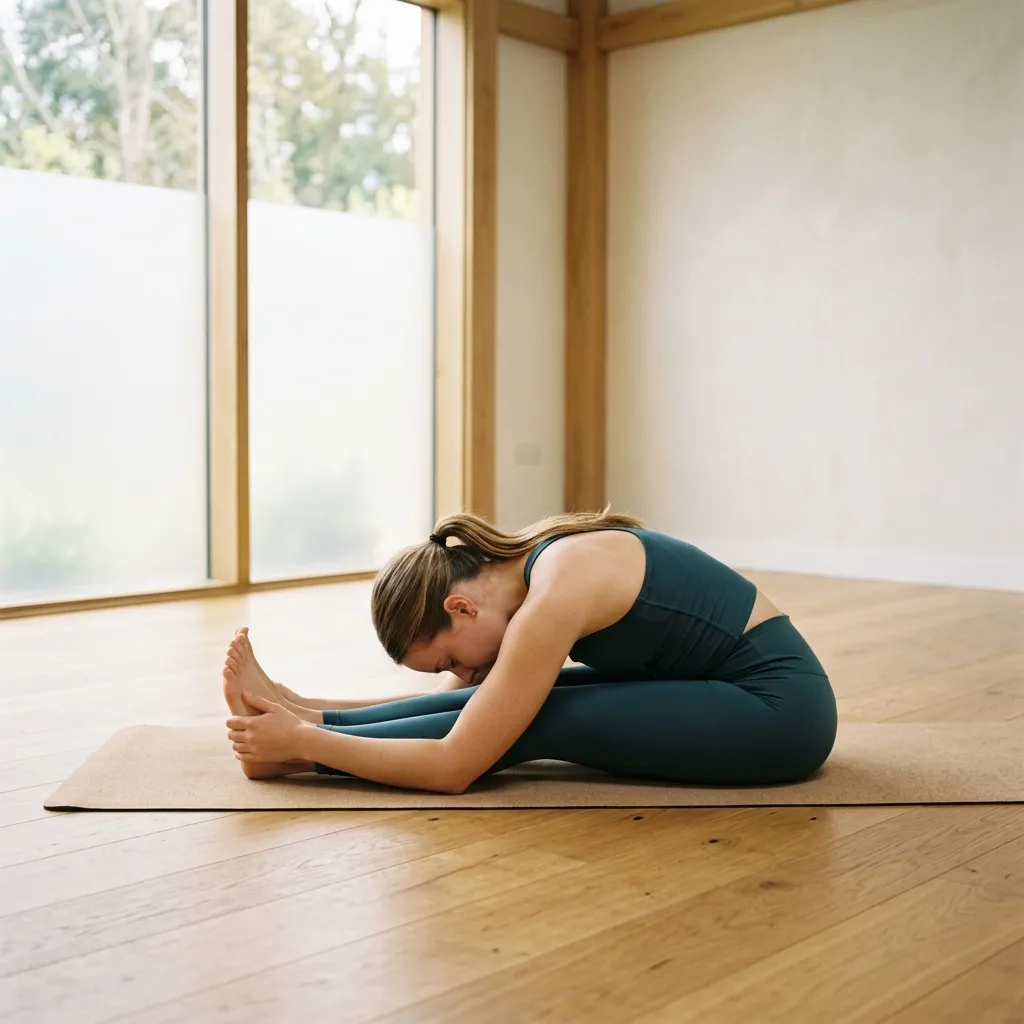
How Long Does It Take to Get Flexible?
A realistic look at how flexibility changes with regular yoga, why consistency matters more than intensity, and what to expect week by week.
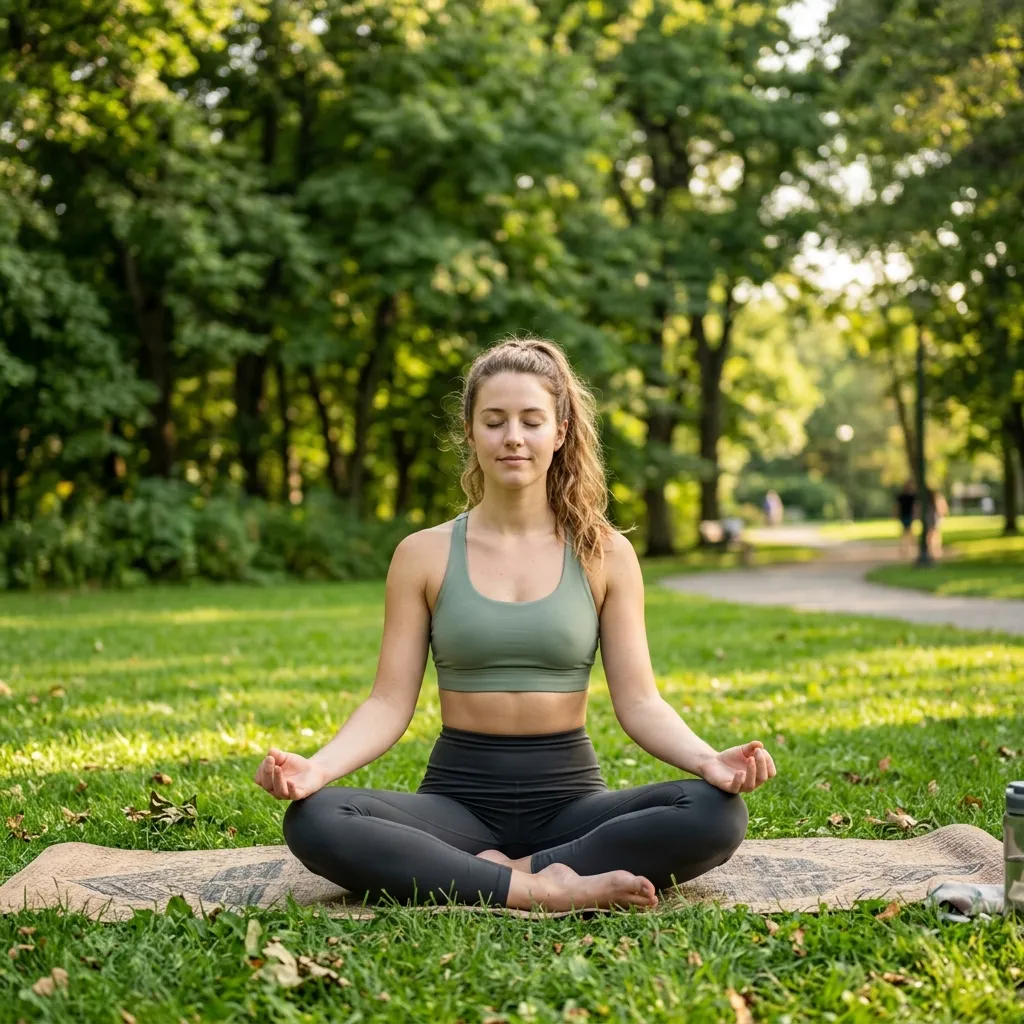
How Do Live Online Meditation Classes Work?
What happens in a live online meditation session, whether your camera stays on, what to sit on, and how a live class differs from using an app.
Questions About Yoga for Seniors
Is yoga safe for older adults?
Gentle yoga suits most older adults, and everything can be adapted with a chair or wall for support. It may help support balance, strength, and everyday mobility. Please check with your doctor before starting, particularly if you have a heart, joint, bone, or blood pressure condition.
Do I need to get down on the floor?
No. Every pose on this page can be done standing with a chair for support or seated in the chair itself. If getting down to and up from the floor is difficult, you can skip floor work entirely.
I have never done yoga. Am I too old to start?
Not at all. Many of our students begin in their sixties, seventies, and beyond. Starting gently and building slowly matters far more than any previous experience.
Can yoga help with balance?
Yes. Standing and single-leg poses ask the muscles around the ankles, knees, and hips to work together, which may help you feel steadier on your feet. Always practise balance work beside a chair or wall.
What if I have arthritis or stiff joints?
Gentle, controlled movement within a comfortable range suits many people with stiff joints, and your instructor can adapt each pose. Please speak with your doctor or physiotherapist first so your teacher can plan appropriately.
How long are the classes and how often should I practise?
Twenty to thirty minutes suits most people, and two or three sessions a week is a realistic starting point. Little and often is far better than one long session.
What if I use a walking aid?
That is no barrier. Seated practice works very well, and your instructor can build a whole session around a chair. Tell them beforehand so they can plan your options.
Should I speak to my doctor first?
Yes, please do. If you have a heart or blood pressure condition, osteoporosis, joint replacements, balance difficulties, or have had recent surgery, check with your provider before you begin.
Sources & further reading
- Yoga: What You Need To Know — National Center for Complementary and Integrative Health (NCCIH)
- Physical Activity Guidelines for Americans — U.S. Department of Health & Human Services
- Falls prevention: Exercise and balance — NHS
- Balance exercises — Mayo Clinic
- Physical activity and older adults — World Health Organization (WHO)
Ready to Feel Steadier?
Book a friendly, no-pressure consultation with YogShri. We will talk through your mobility and any concerns, then help you find a gentle practice at a pace that suits you.