
How Long Should a Beginner Meditate?
Start Smaller Than You Think
Five minutes is a better starting point than twenty. Here is how to build up without forcing it.

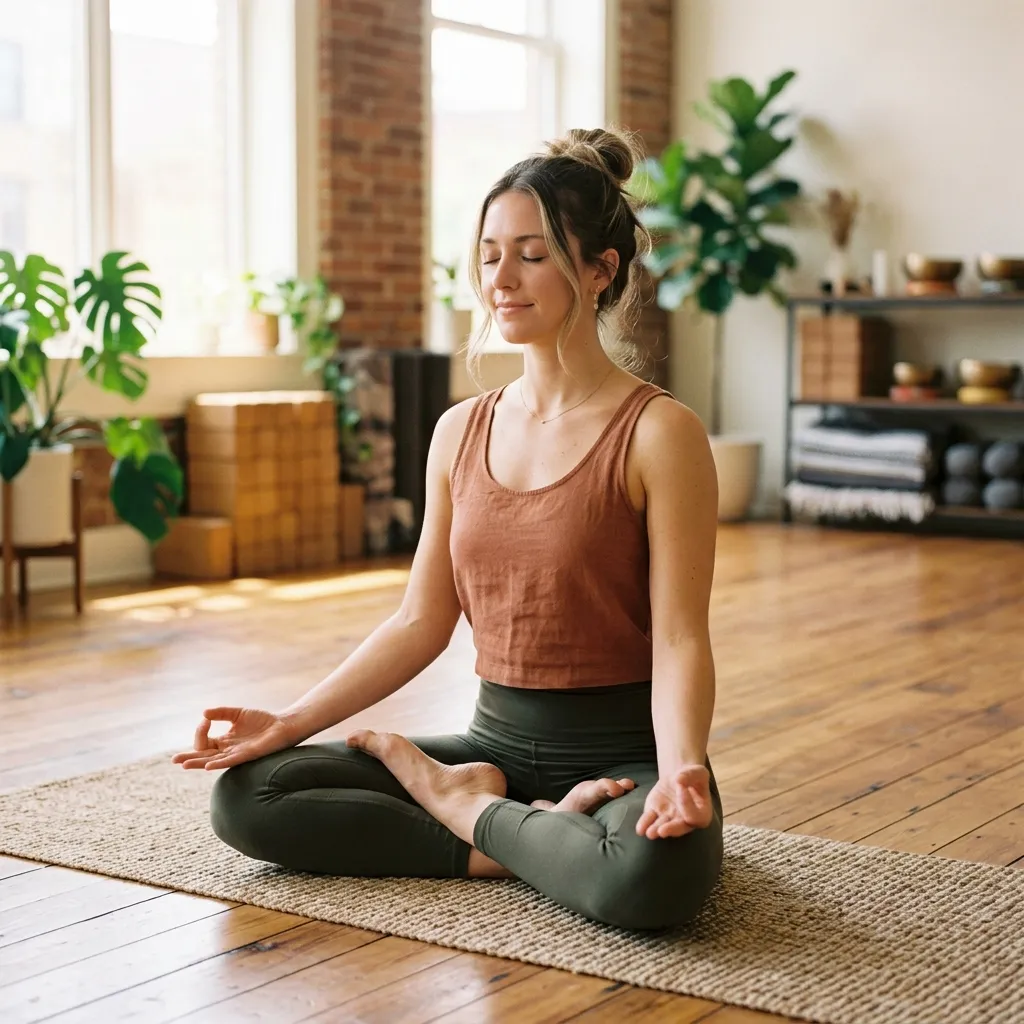
Five minutes. That is the honest answer, and it disappoints nearly everyone who asks.
The instinct is to go big - twenty minutes, every morning, starting Monday. That plan tends to last about four days. Our meditation for beginners sessions start short on purpose.
Why Short Wins Early On
Two reasons. The first is practical: a five-minute sit is very hard to talk yourself out of, so it survives a bad week, and surviving bad weeks is the whole game. The second is that you are learning a skill rather than putting in hours. Noticing that your attention has wandered and bringing it back is the thing you are practising, and you can practise that a dozen times in five minutes. Once the knack is there, longer sits come easily.
A Gentle Reminder
This is general wellness guidance rather than medical advice. If you are living with trauma, or find that sitting quietly brings up difficult feelings, please work with a qualified professional alongside any practice. A gentle practice is a supportive habit alongside proper care.
A Sensible Way to Build Up
Move to the next step only when the current one feels genuinely easy. There is no schedule to keep up with.
- Weeks one and two - five minutes, most days. The aim is only to keep showing up.
- Weeks three and four - eight to ten minutes, once five starts to feel short.
- Month two - fifteen minutes, if you want it. Plenty of people stay at ten indefinitely and do very well.
- Beyond that - twenty minutes suits some people, and ten focused minutes serves most of us just as well.
- On a difficult day - drop back to three minutes rather than skipping. A short sit keeps the habit alive.
When Your Mind Will Not Settle
This is the part people misread as failure. A busy mind is the raw material you are working with. The practice is the noticing and the coming back, over and over, and a restless session hands you far more repetitions than a calm one. If it feels like a lot on a given day, give your attention something more concrete to hold: count your out-breaths, or follow the physical sensation of the breath at your nostrils rather than watching your thoughts.
Making It Stick
Attach it to something you already do without deciding to - after you brush your teeth, before you open your laptop, while the kettle boils. Same time, same chair, most days. A guided session helps a great deal at the start, because following a voice is far easier than holding your own focus in silence. Results vary, and the day you notice yourself pausing before reacting to something is worth more than any streak. For a version you can do lying down, try yoga nidra.
Helpful further reading
- Meditation and mindfulness: What you need to know — U.S. National Center for Complementary and Integrative Health
- Mindfulness — NHS
- Relaxation techniques: What you need to know — U.S. National Center for Complementary and Integrative Health
About the author
The YogShri editorial team writes warm, plain-spoken, evidence-aware yoga and wellness guides. We teach mindful movement, breathwork and relaxation for everyday well-being. We are not medical professionals, and our articles are general education, not medical advice.
Start With Five Guided Minutes
Join YogShri for live guided meditation sessions built for people starting out.
- Short, fully guided sessions
- A live teacher, not a recording
- No experience needed
No commitment. Cancel anytime.
Explore Our Yoga Programs
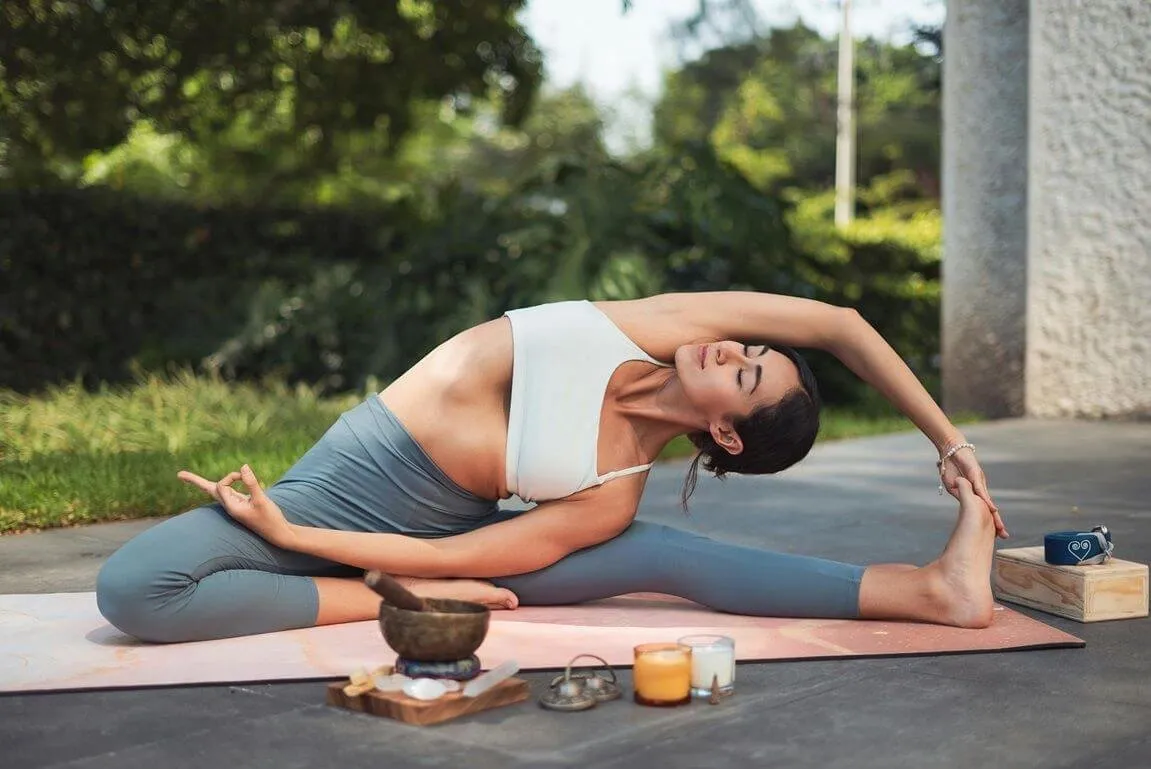
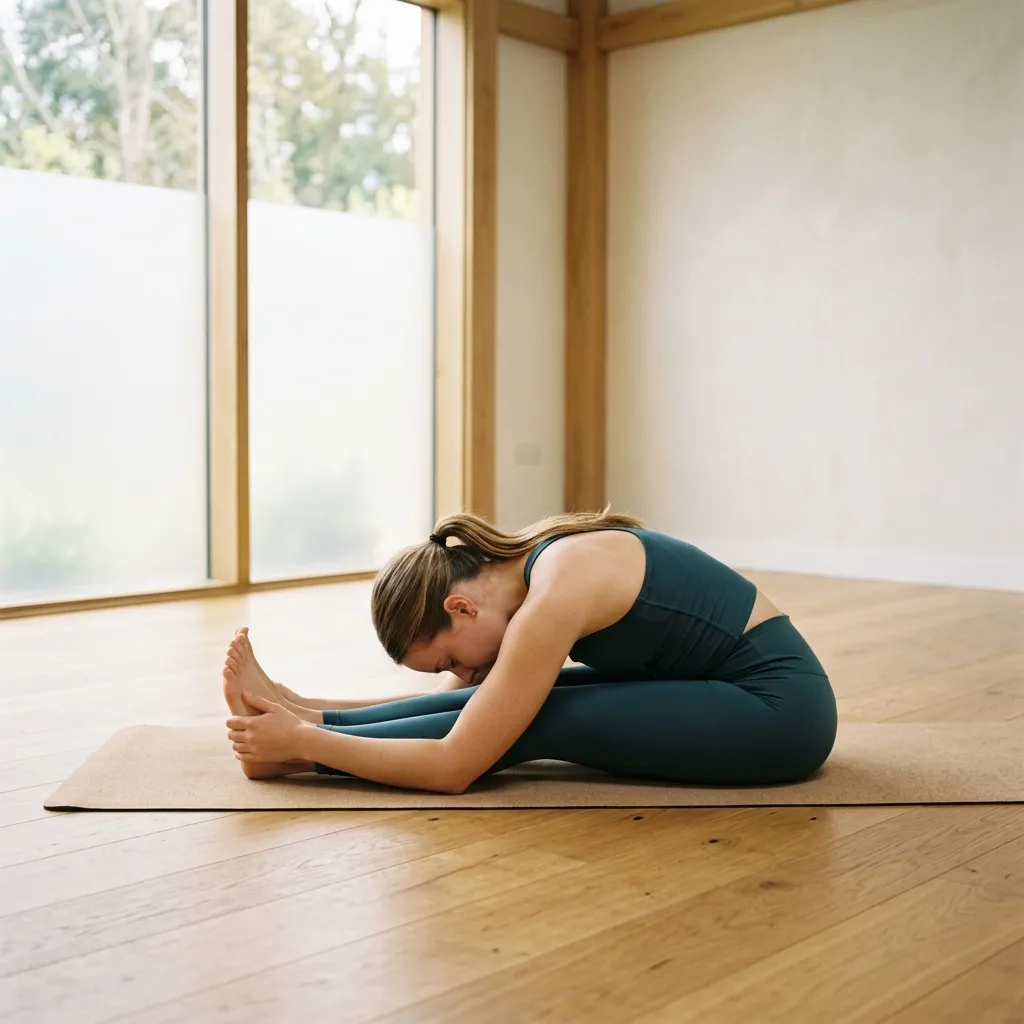
Yoga for the Lower Back
Gentle, beginner-friendly yoga for your lower back. Instructor-guided poses and mindful movement to support mobility and everyday comfort.
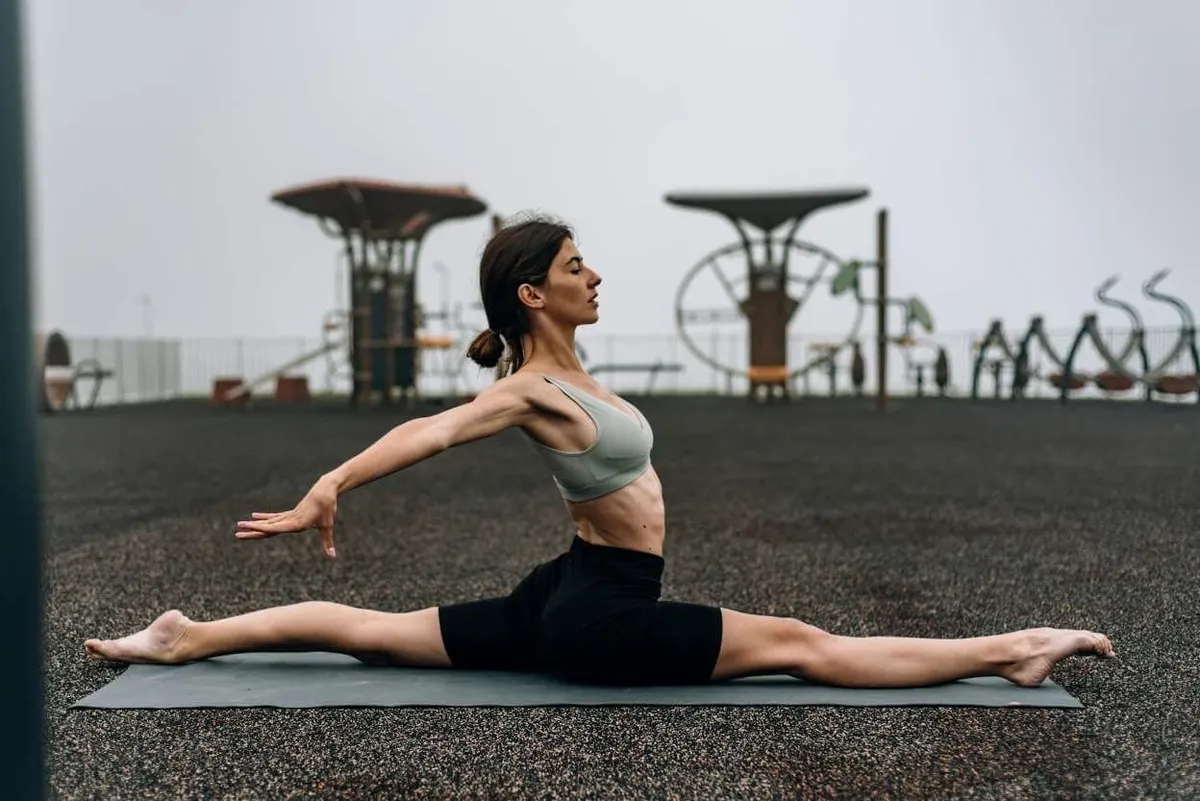
Yoga for Legs
Build stronger, more flexible legs with live, expert-guided yoga. Simple poses for hamstrings, quads, and calves, plus safe practice tips. All levels welcome.
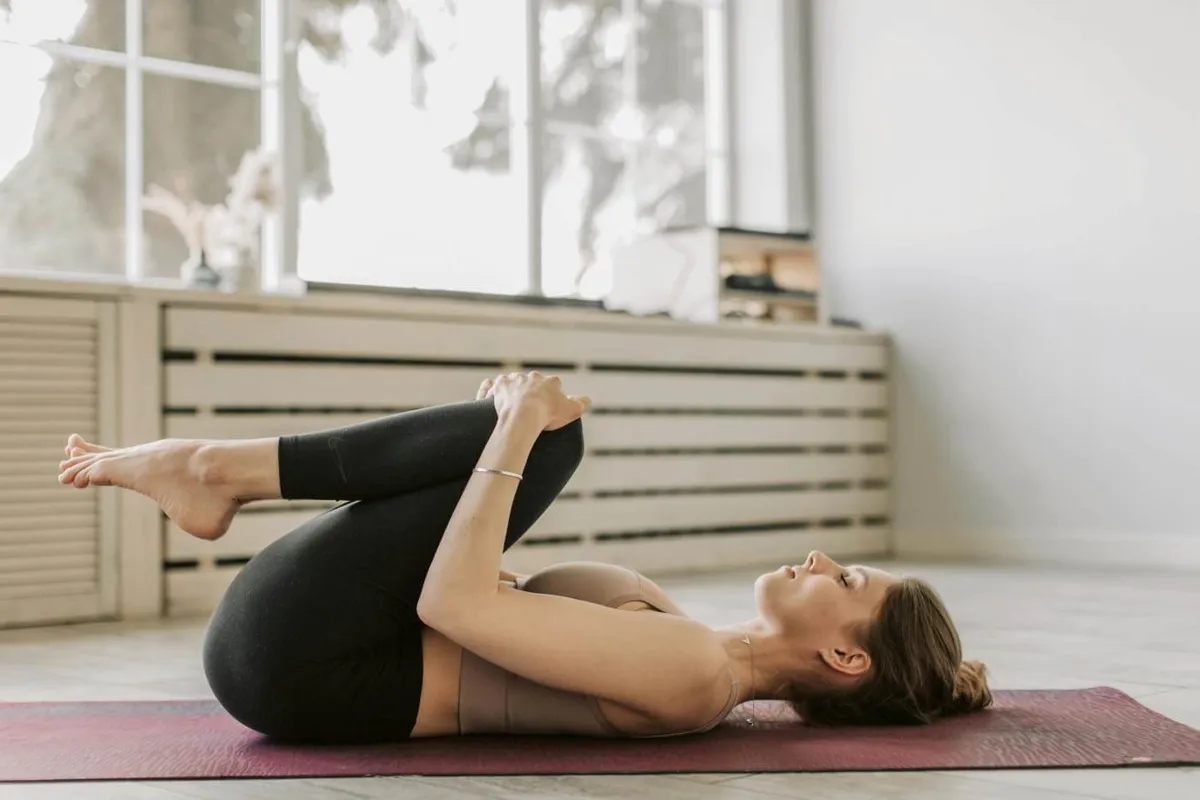
Yoga for Core Strength
Build real core strength with yoga. Five poses covering the front, sides, deep abdominals, and back body, guided live by certified instructors. All levels.