
Starting Yoga After 60
A Gentle Place to Start
You do not need to be flexible, and you do not need to get on the floor. Here is how to begin yoga later in life.
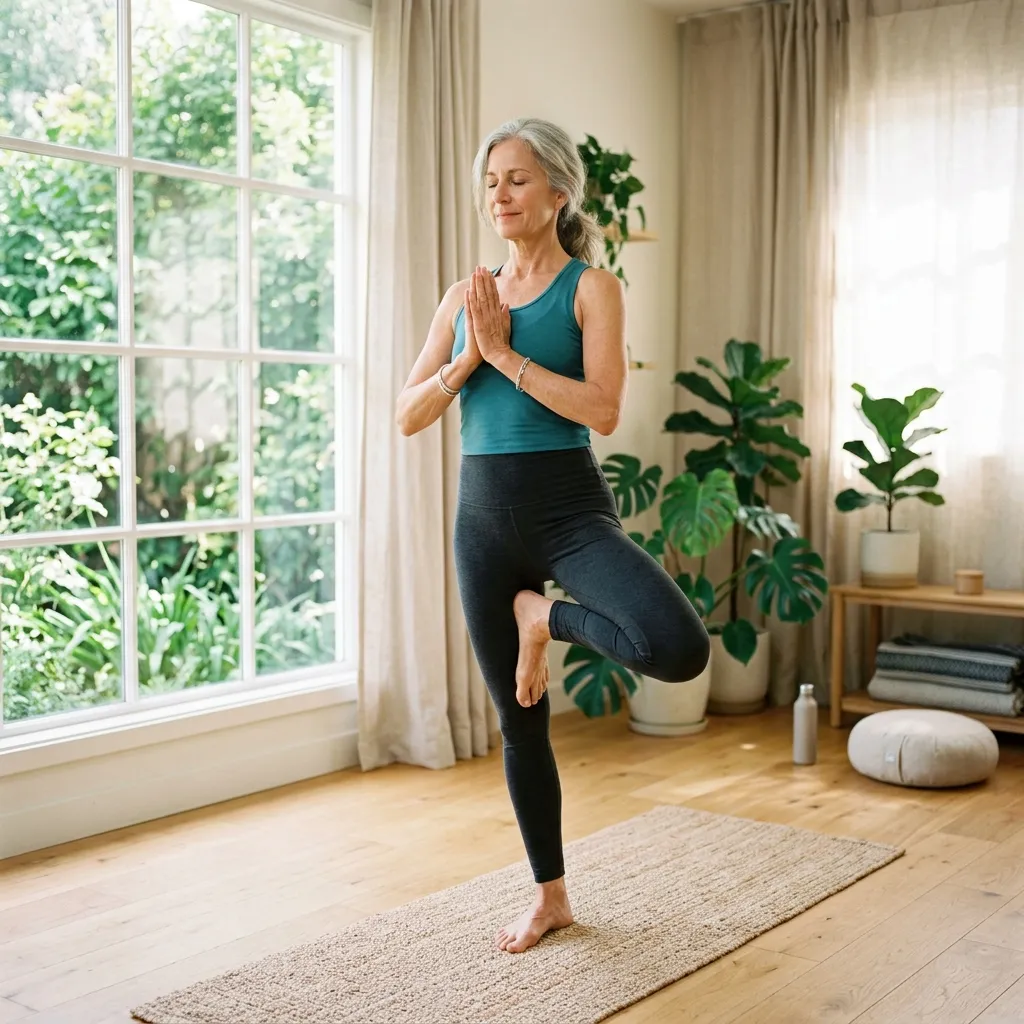
The most common thing we hear from people in their sixties and seventies is a version of the same worry: I am not flexible enough, and I am not sure I can get up off the floor. Both are completely reasonable, and neither is a reason to wait.
Yoga is one of the few forms of movement that scales all the way down while keeping its value. A chair, a wall, and a bit of patience will take you a long way. Our yoga for seniors classes are built for exactly this.
What to Expect in Your First Few Weeks
Expect to feel a bit clumsy, and expect that to pass. The first couple of sessions are mostly about learning where your body is - which side turns more easily, which hip is stiffer, how your balance behaves when you close your eyes. That information is genuinely useful, and it arrives quickly. Most people find the second week noticeably easier than the first.
Before You Begin
This is general wellness guidance rather than medical advice. If you have a heart condition, osteoporosis, recent surgery, or any ongoing health concern, please check with your healthcare provider before you start. A gentle practice works best alongside their guidance.
Where a Chair Earns Its Place
A sturdy chair without arms is the single most useful prop you can own. It brings the floor up to you, gives you something to hold, and takes the whole question of getting up and down off the table.
- Seated cat-cow - rounding and lengthening the spine, which wakes up the whole back.
- Seated twist - hands on the chair back, turning gently. Good for spine mobility and easy to control.
- Chair-supported forward fold - folding over your legs with hands on the seat, or on the floor if that suits you.
- Standing behind the chair for balance work - heel raises and gentle leg lifts, with one hand on the back.
- Chair-supported warrior - a shallow lunge with a hand on the chair. Leg strength without the wobble.
Balance Is the Part Worth Prioritising
If you work on one thing, make it balance. It responds well to practice at any age, it carries straight over into everyday confidence - stairs, kerbs, turning around in the kitchen - and yoga happens to be very good at it. Start with one hand on a wall or chair. Progress to fingertips. Then, when you are ready, try letting go for a few breaths. There is no rush, and there is no prize for skipping the wall.
Building a Routine You Will Keep
Fifteen minutes, four or five days a week, beats an hour on a Sunday. Pick a time that already has a shape to it - after breakfast, before the news - and attach the practice to that. Practising with a live class helps enormously here: a set time, a teacher who knows your name, and other people on the screen make it far easier to show up on the days you would rather not. Results vary, and steadiness matters more than speed. Gentle work for the lower back and the knees pairs well with this.
Helpful further reading
- Physical activity guidelines for older adults — NHS
- Exercise and physical activity — National Institute on Aging
- Physical activity basics — CDC
About the author
The YogShri editorial team writes warm, plain-spoken, evidence-aware yoga and wellness guides. We teach mindful movement, breathwork and relaxation for everyday well-being. We are not medical professionals, and our articles are general education, not medical advice.
Start Gently, Start Guided
Join YogShri for live classes with instructors who offer chair and wall options throughout.
- Chair and standing options in every class
- Live guidance on your alignment
- Small, friendly online classes
No commitment. Cancel anytime.
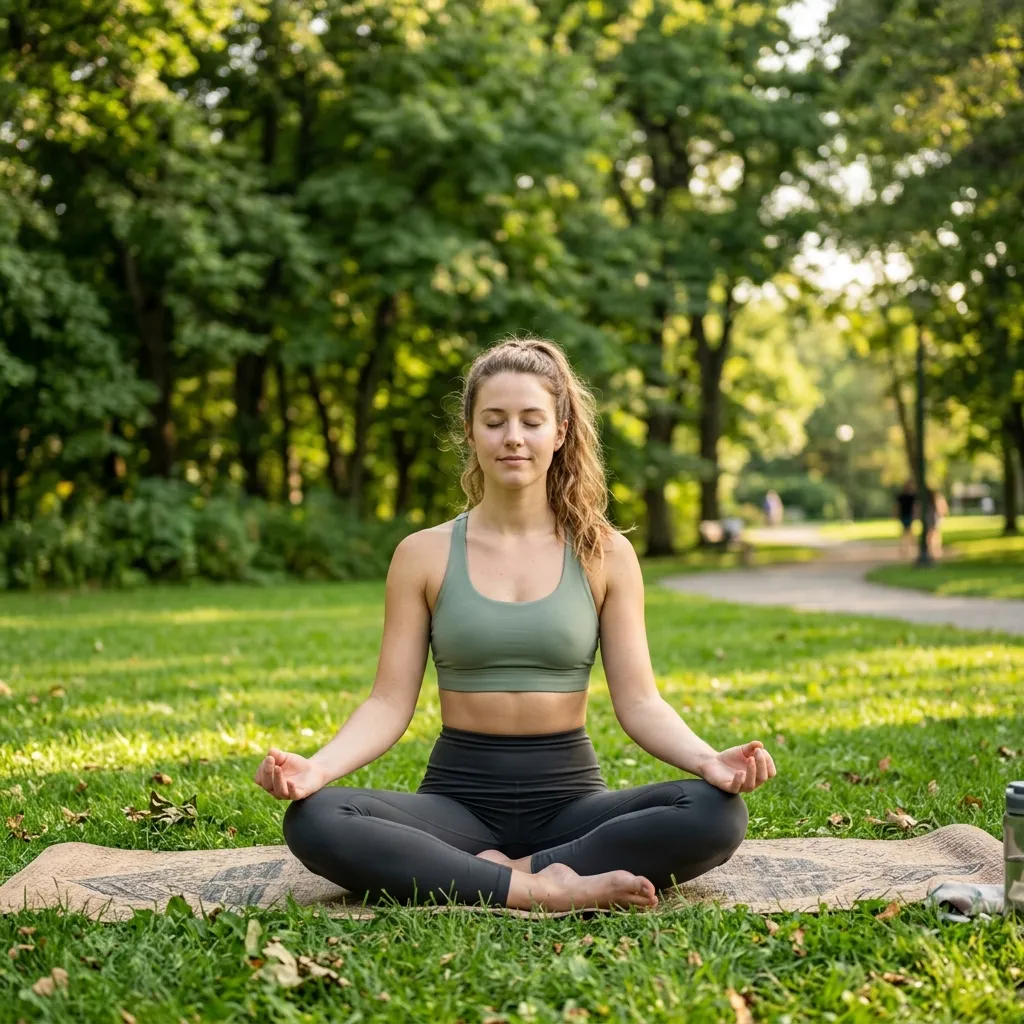
Explore Our Yoga Programs
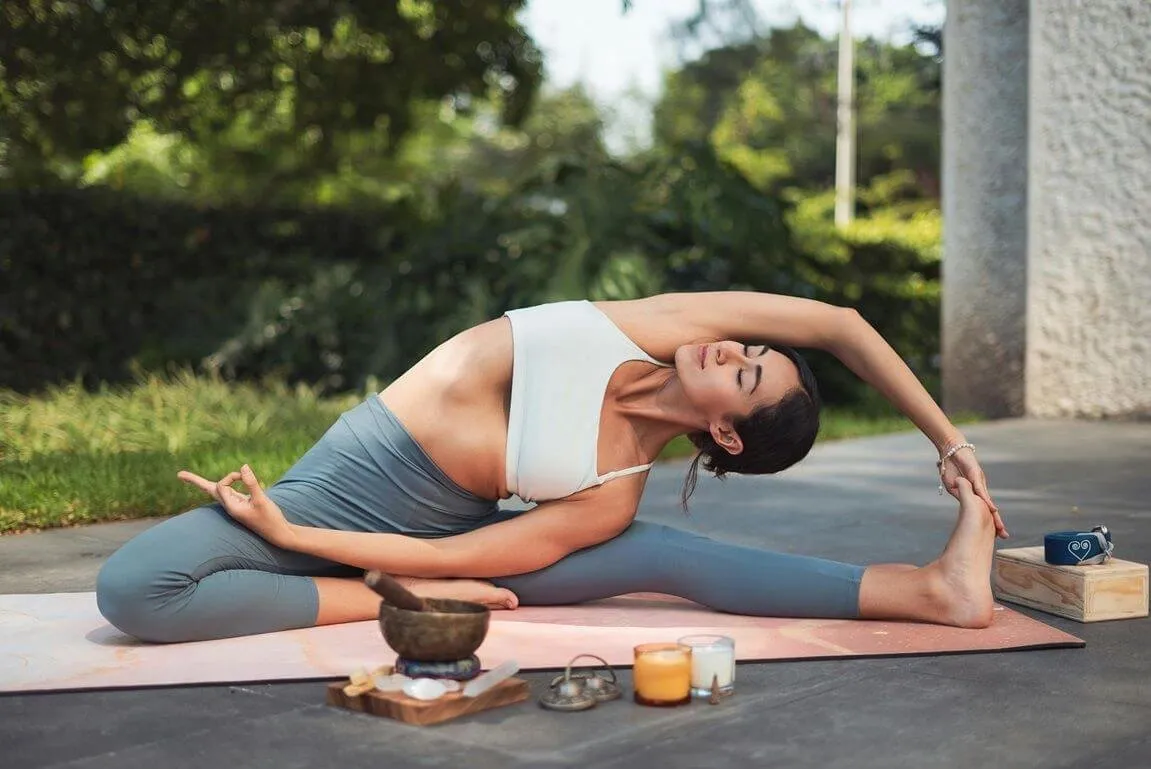
Yoga for the Lower Back
Gentle, beginner-friendly yoga for your lower back. Instructor-guided poses and mindful movement to support mobility and everyday comfort.
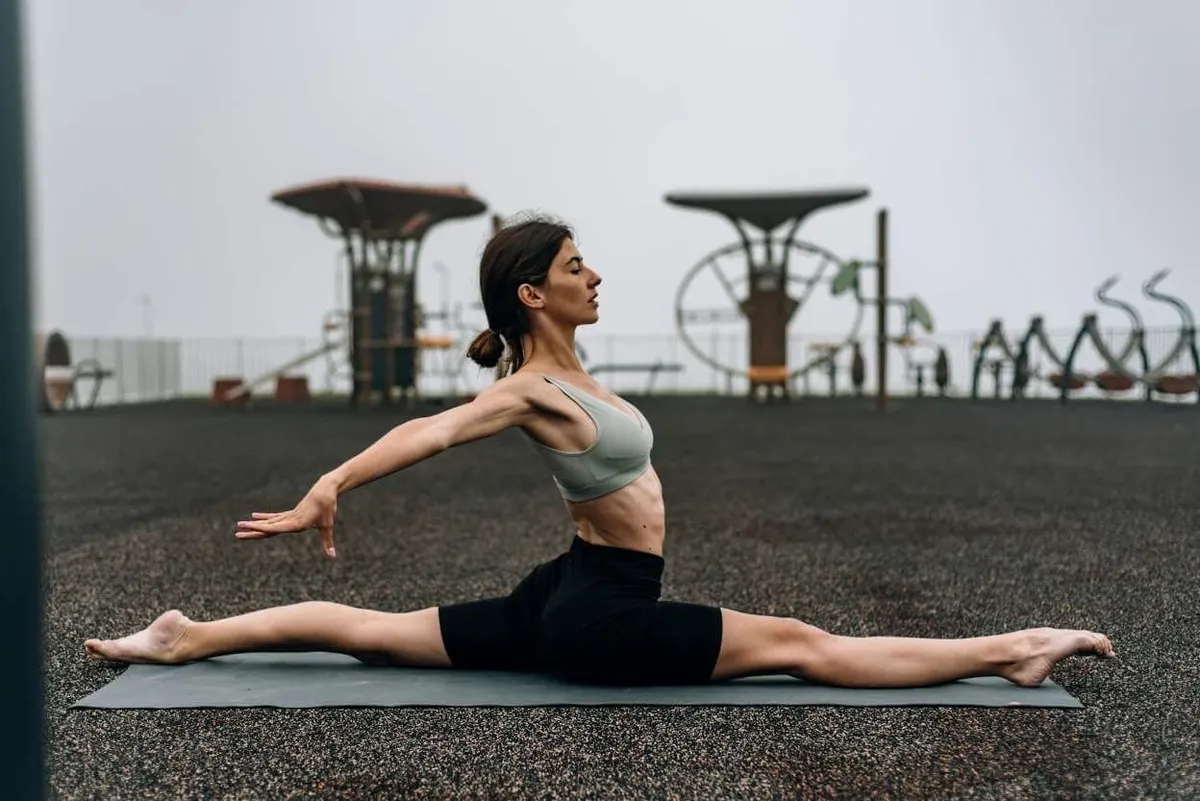
Yoga for Legs
Build stronger, more flexible legs with live, expert-guided yoga. Simple poses for hamstrings, quads, and calves, plus safe practice tips. All levels welcome.
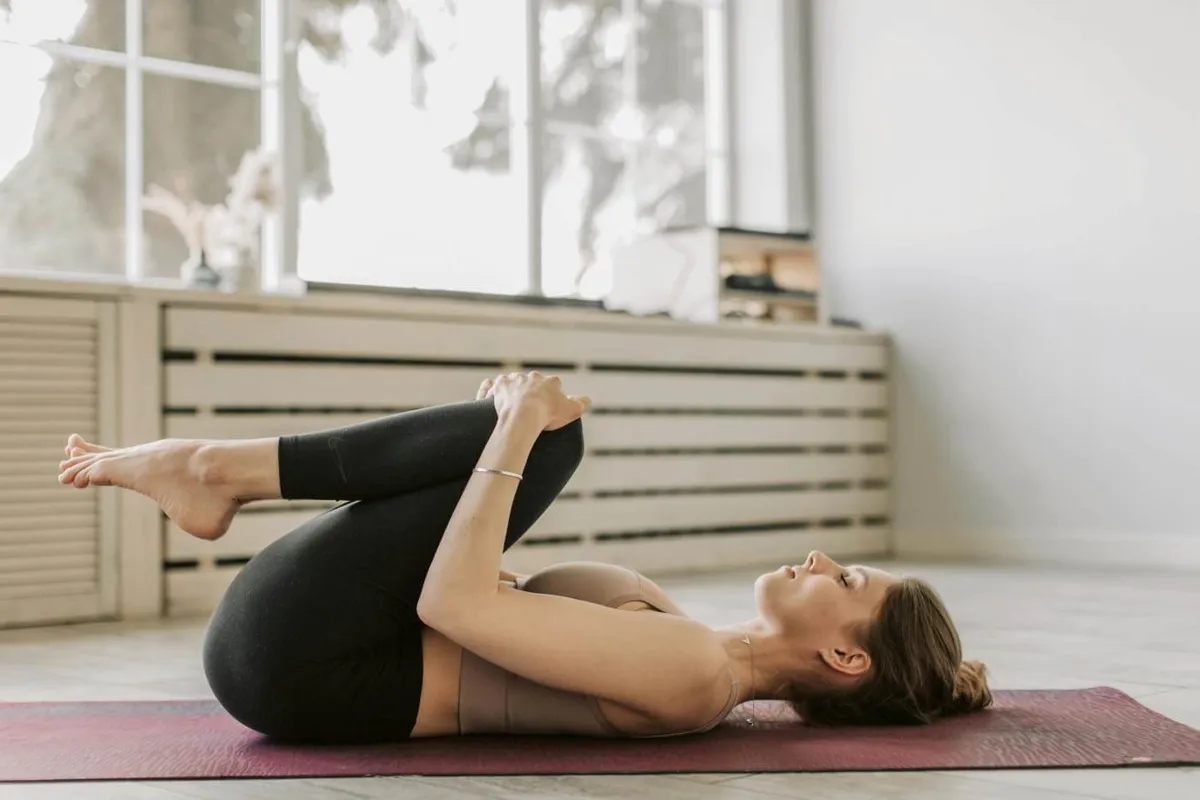
Yoga for Core Strength
Build real core strength with yoga. Five poses covering the front, sides, deep abdominals, and back body, guided live by certified instructors. All levels.