
What Is Yoga Nidra?
Rest, Guided
A guided practice you do lying down, with nothing to hold and nothing to achieve. Here is what a session involves.
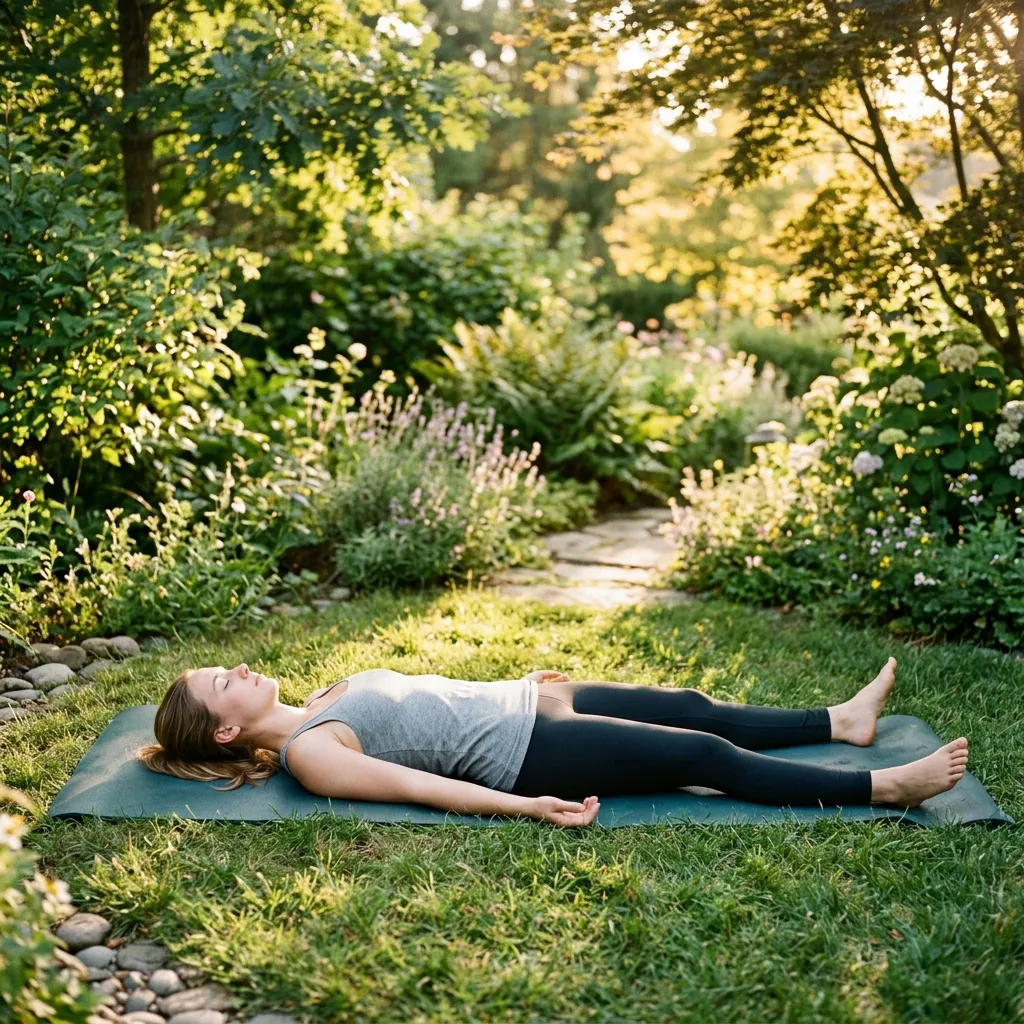
Yoga nidra is the one practice where lying completely still and drifting off is perfectly welcome. You get on the floor, you make yourself comfortable, and a voice guides your attention around your body for twenty or thirty minutes. That is genuinely all of it.
It suits people who have found seated meditation hard going, and people who are simply tired. Our yoga nidra sessions are guided live from start to finish.
What Actually Happens in a Session
You lie on your back, usually with a cushion under the knees and something over you, because bodies cool down quickly once they stop moving. The teacher settles you, then walks your attention slowly through the body - right hand, right forearm, right elbow, and on around. There is often some simple breath awareness, and sometimes a short image or phrase to rest on. Then you are brought back gently. You never have to move, hold anything, or work out what you are supposed to be feeling.
A Gentle Reminder
This is general wellness guidance rather than medical advice. If you are living with trauma, or find lying still and turning inward difficult, please work with a qualified professional alongside any practice. A gentle practice is a supportive habit alongside proper care.
How It Compares With Meditation
The two overlap, and plenty of teachers use the words loosely. A few practical differences are worth knowing.
- You lie down rather than sit, so no effort goes into staying upright.
- It is guided throughout - you follow a voice rather than holding your own focus.
- Drifting off is fine. In seated meditation you would gently come back; here it makes no difference.
- Sessions tend to run longer, often twenty to forty minutes.
- There is nothing to get right, which is a relief for anyone who has felt they were bad at meditating.
What It Tends to Feel Like
Most people describe a heavy, pleasantly sunk feeling somewhere in the first ten minutes, and a slight sense of losing track of time. Some fall asleep every single session for the first few weeks and worry they are missing the point - they are getting exactly what their body asked for. Others stay awake and simply feel unusually still afterwards. A few find the first couple of sessions fidgety, which tends to settle once the format becomes familiar. Results vary.
When to Practise It
Evening is the obvious slot, and it sits well as the last thing before bed. It also works surprisingly well in the middle of a heavy day - twenty minutes on the living room floor instead of a third coffee. Once or twice a week is plenty to get a feel for it. All you really need is a floor, something soft under your head, and a blanket. If sleep is the main thing you are after, meditation for sleep is a close cousin.
Helpful further reading
- Relaxation techniques: What you need to know — U.S. National Center for Complementary and Integrative Health
- How to get to sleep — NHS
- Yoga: What you need to know — U.S. National Center for Complementary and Integrative Health
About the author
The YogShri editorial team writes warm, plain-spoken, evidence-aware yoga and wellness guides. We teach mindful movement, breathwork and relaxation for everyday well-being. We are not medical professionals, and our articles are general education, not medical advice.
Try a Guided Session
Join YogShri for live yoga nidra sessions guided from start to finish.
- Fully guided, lying down
- Nothing to hold or achieve
- All experience levels welcome
No commitment. Cancel anytime.
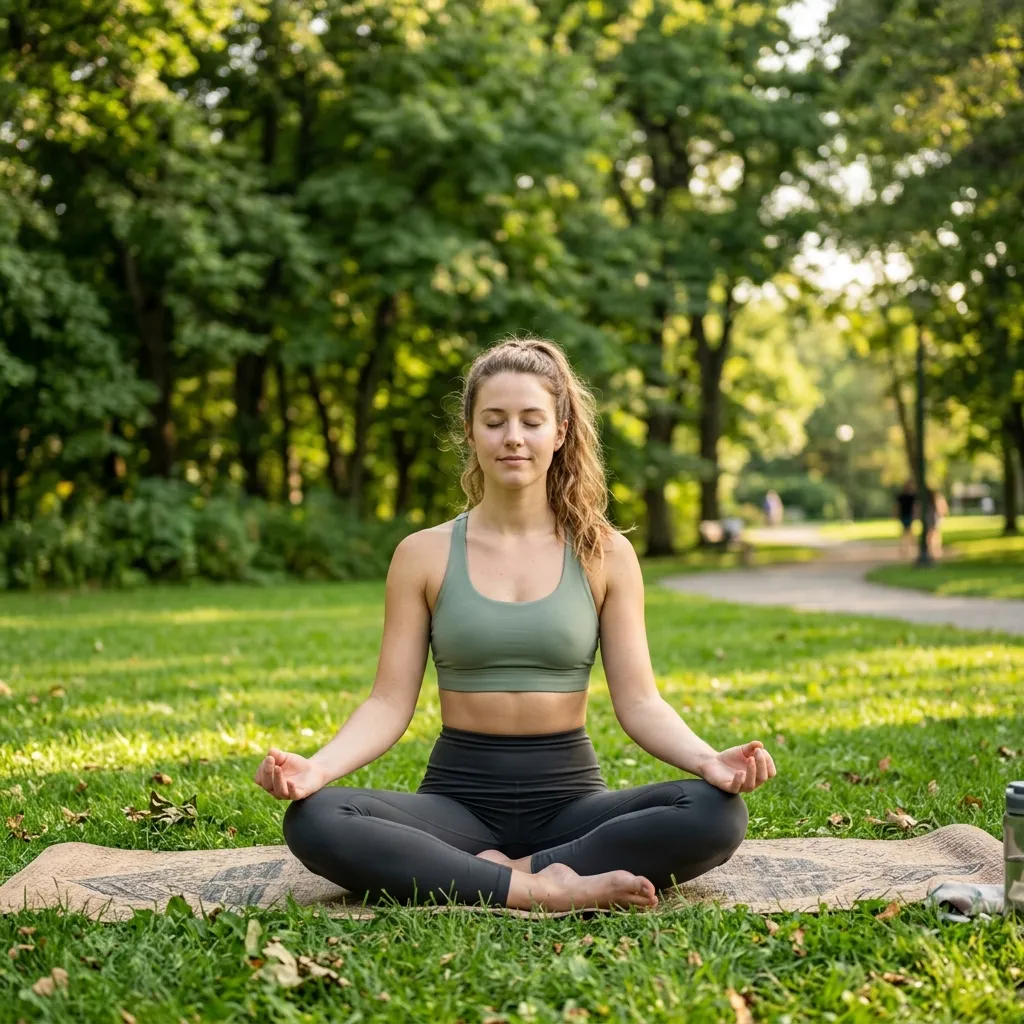
Explore Our Yoga Programs
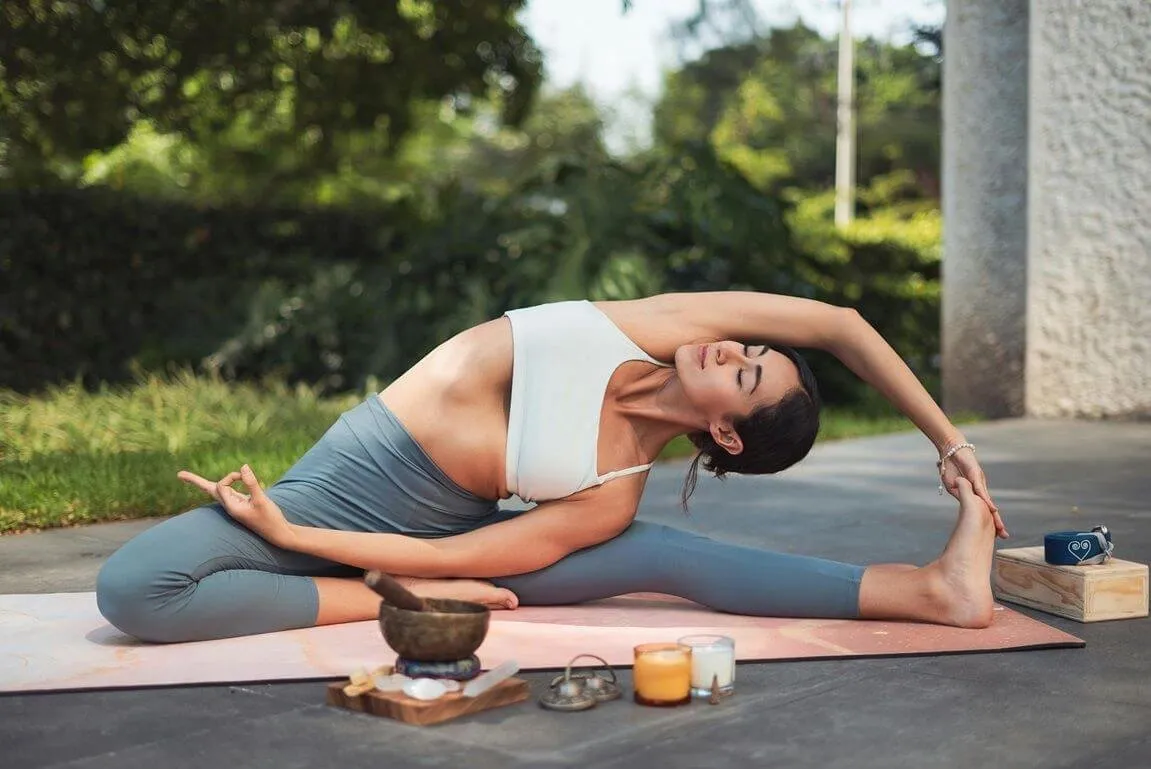
Yoga for the Lower Back
Gentle, beginner-friendly yoga for your lower back. Instructor-guided poses and mindful movement to support mobility and everyday comfort.
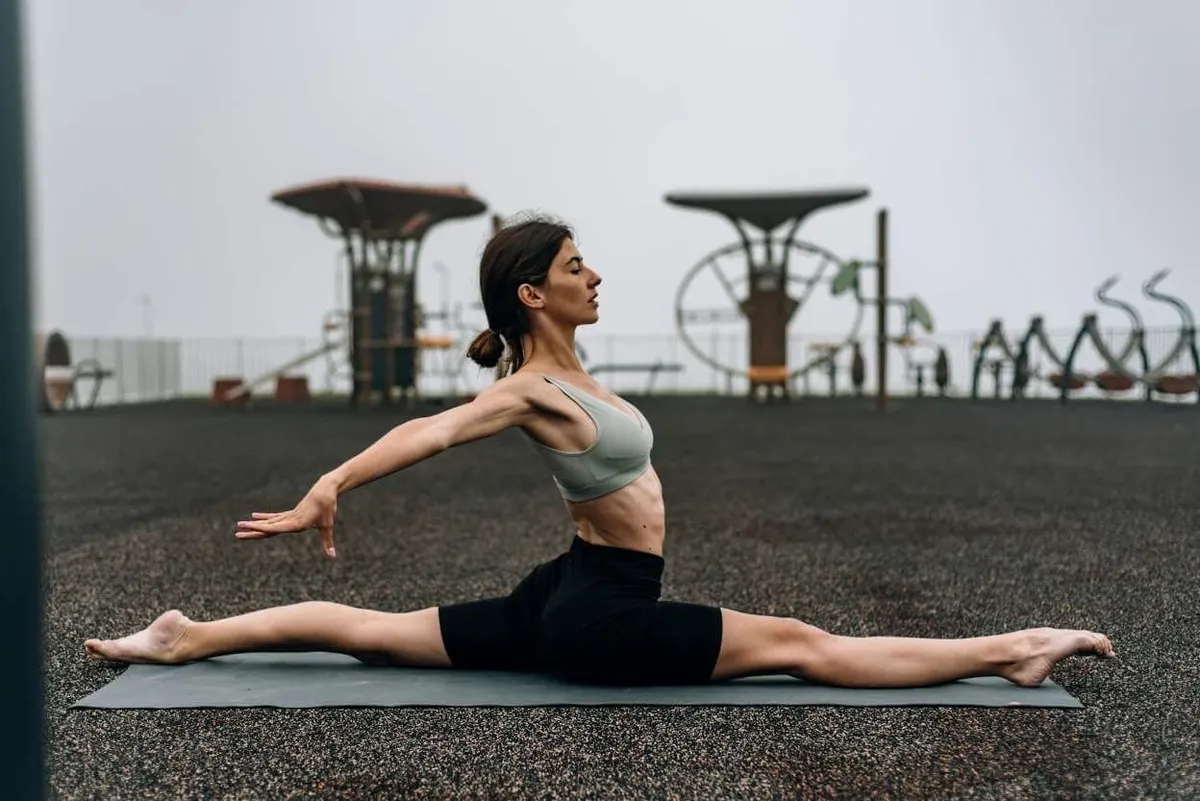
Yoga for Legs
Build stronger, more flexible legs with live, expert-guided yoga. Simple poses for hamstrings, quads, and calves, plus safe practice tips. All levels welcome.
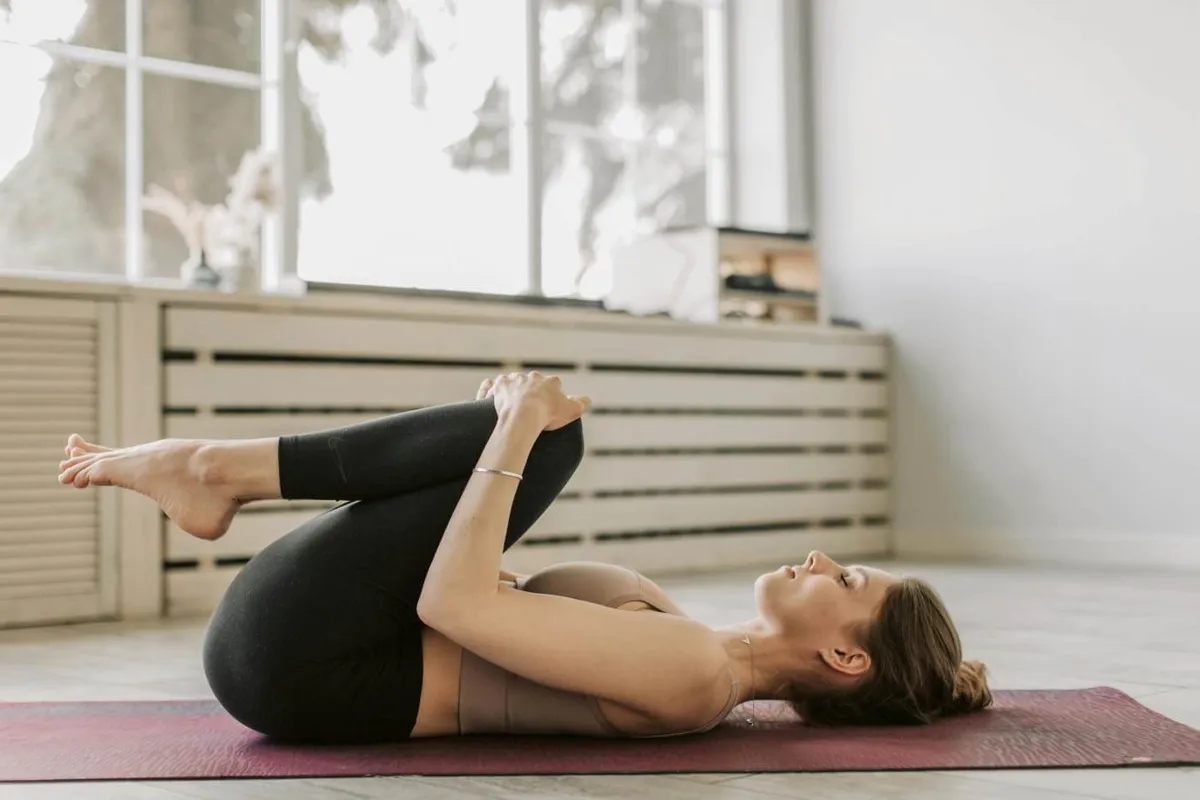
Yoga for Core Strength
Build real core strength with yoga. Five poses covering the front, sides, deep abdominals, and back body, guided live by certified instructors. All levels.